/taper-fades · beauty
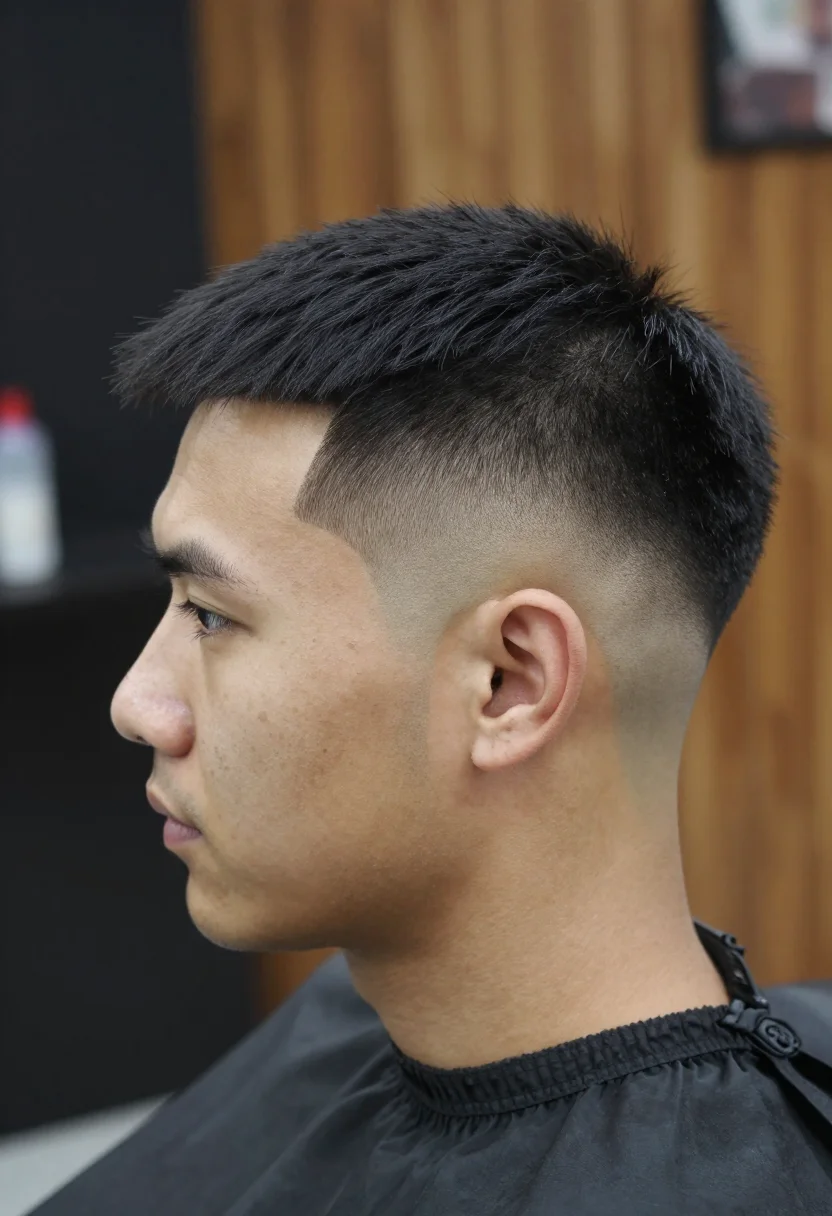
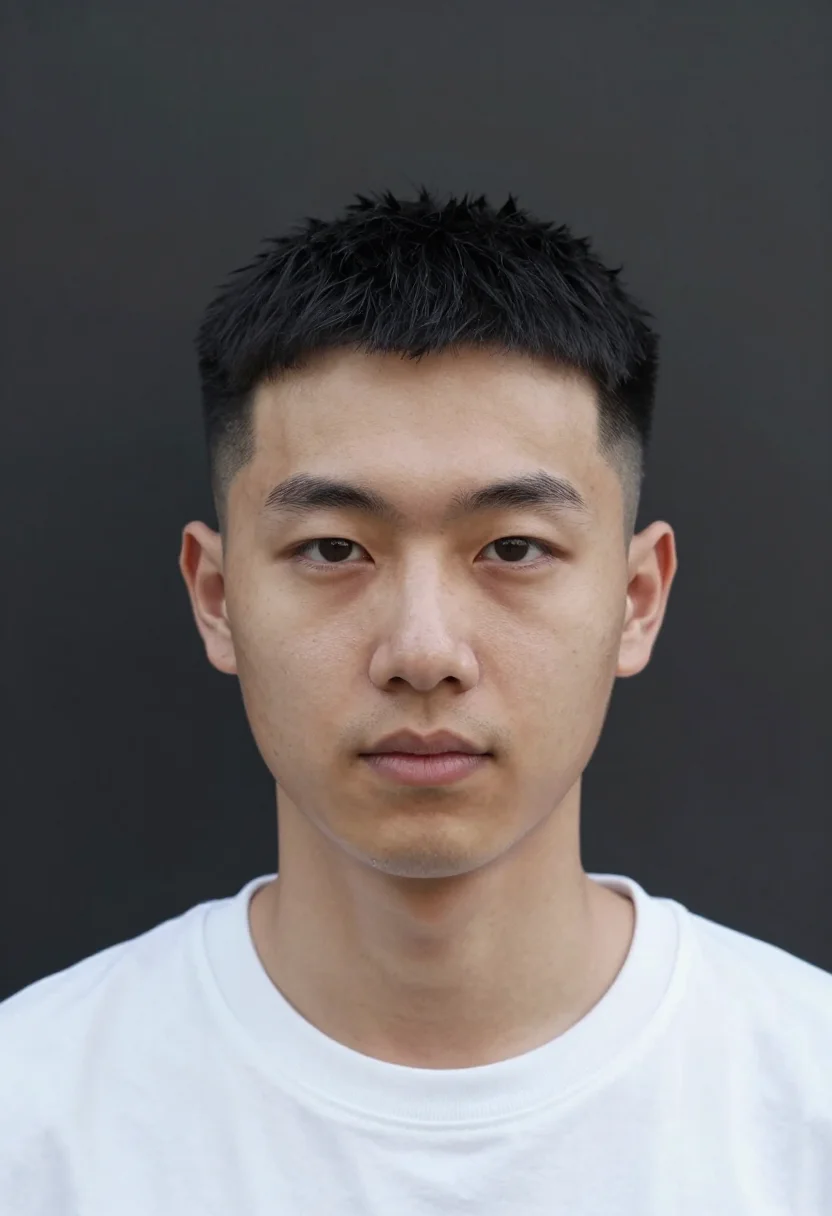
Taper fades: low taper, taper with curls, taper with waves
Make your ownTaper fades
Describe yours. We'll remake the whole pack your way.
More like this
the whole catalog →
every sample — three subjects, three styles ↓
A taper fade shortens the hair gradually at the temples and the neckline. Three tops are shown: a low taper with a longer textured top, a taper with a full head of tight curls, and a taper with short brushed waves. Each is shown from the side, from behind and from the front, so the fade from skin to length on top can be checked. Type a detail, such as with twists, to ask for that version.
- a taper to ask a barber for
- a fade height to agree before a cut
- a curly top for a taper
- a reference for the neckline
Frequently asked questions
- Can I ask for a high taper with a beard?
- Yes. A detail you type is a request for that change, not a promised result, and the three tapers are shown in that form.
- What is the difference between the three tapers?
- The low taper has a longer textured top, the curly taper has a full head of tight curls, and the waves taper has short brushed waves across the head.
- Are these real photographs of people?
- No. They are generated images made to show each taper, not photographs of a named person.
About toile
This page is a showcase and a starting point: nine samples already rendered, three readings of the pack crossed with three styles, each shown at the size and ratio it was made for. Take any of them further on the wall with a few words, or ask for all nine again under your own direction; a sign-in keeps what you make, and it is free while Toile is new. The recipe behind each sample — the subject, the style, the palette, the framing — travels with the image rather than staying private to the render: it is in the alt text of every sample and in the page's own structured data, so a search engine reads the same handles a person would.