/tapestry-crochet-charts · craft
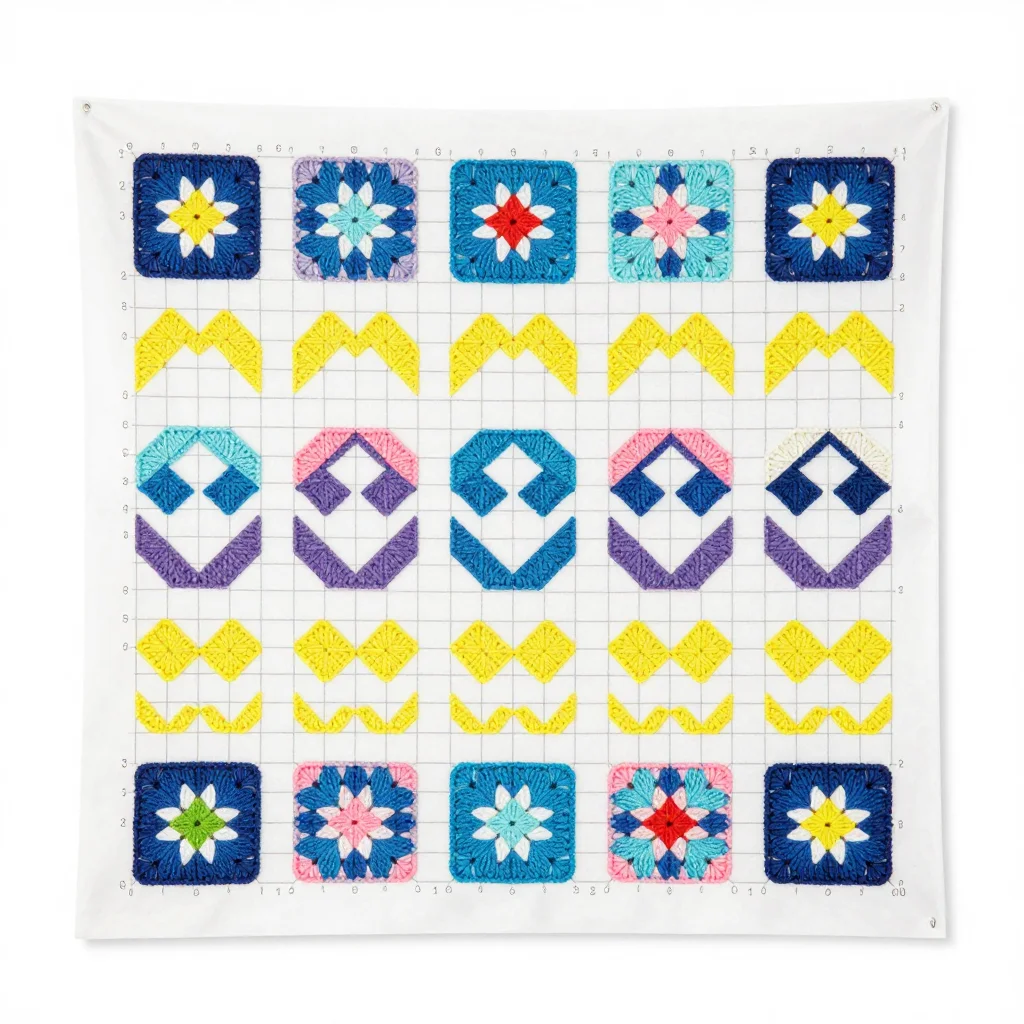
Tapestry crochet charts: geometric, botanical and bag panel
Make your ownTapestry crochet charts
Describe yours. We'll remake the whole pack your way.
More like this
the whole catalog →
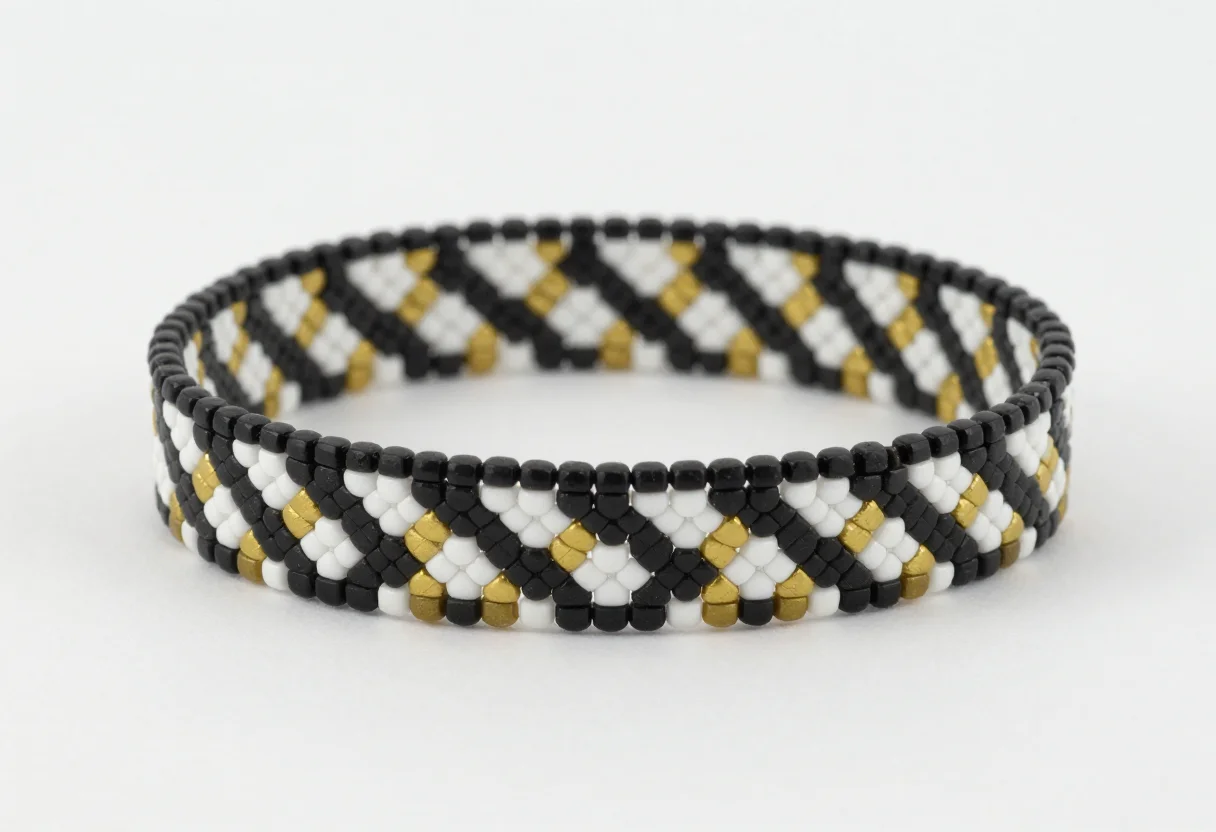
every sample — three subjects, three styles ↓
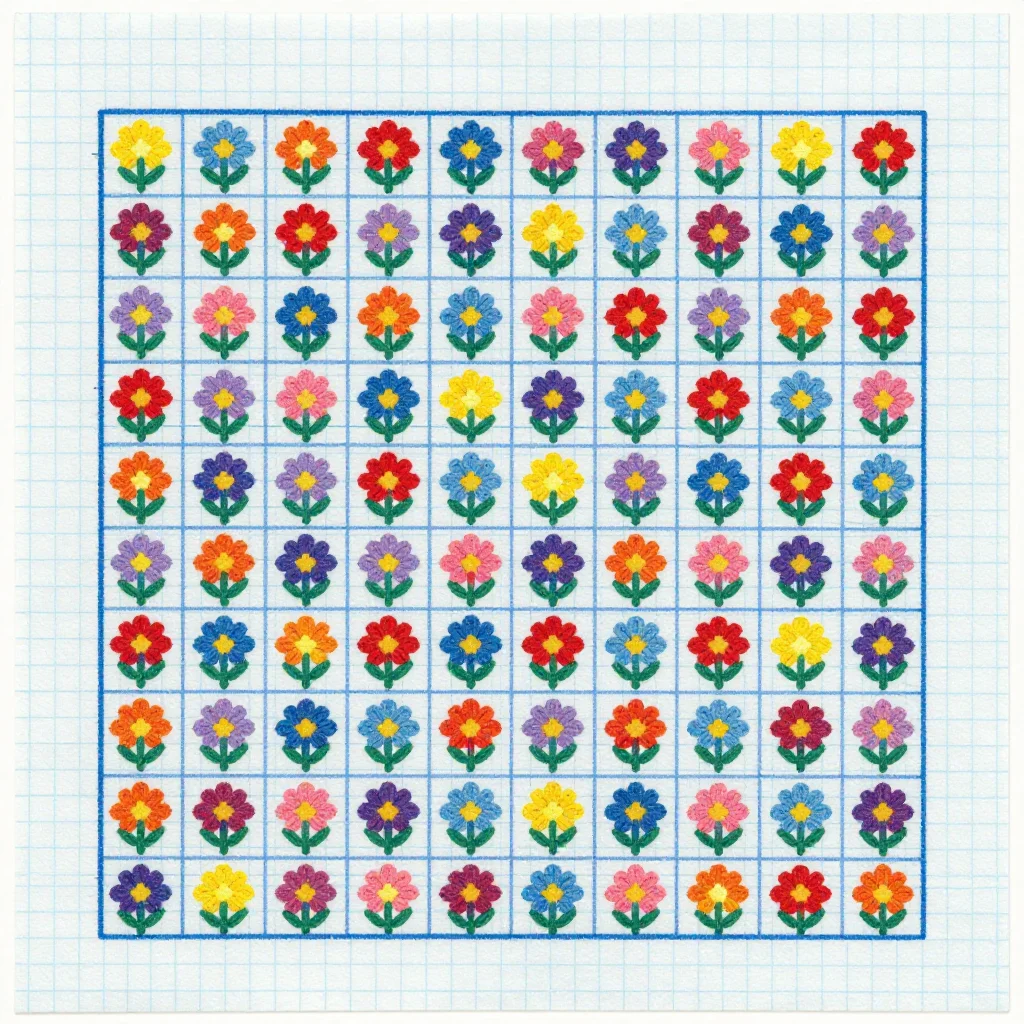
Tapestry crochet carries two or more yarn colours through single crochet, so the picture forms in the fabric. Each square of the chart is one stitch. These nine cover a geometric band, a botanical potted plant and a wide tote bag panel. Each comes as a colour chart, a symbol chart for black-and-white printing, or a hand-coloured sheet. Type a different subject and the same grid carries it.
- a wall hanging
- a tote or pouch panel
- a cushion front
- a class project on colourwork
Frequently asked questions
- Why are there symbols as well as colours?
- The symbol chart keeps each shade distinct on a black-and-white print, with one symbol over each pale colour.
- Does a chart fix the number of colours?
- Each design uses the palette named for it. A subject you type in is a request for that chart; the samples here stay as shown.
- Can I print these at home?
- Yes. The symbol chart is built for black-and-white printing. The colour chart and the hand-coloured sheet need a colour printer.
About toile
This page is a showcase and a starting point: nine samples already rendered, three readings of the pack crossed with three styles, each shown at the size and ratio it was made for. Take any of them further on the wall with a few words, or ask for all nine again under your own direction; a sign-in keeps what you make, and it is free while Toile is new. The recipe behind each sample — the subject, the style, the palette, the framing — travels with the image rather than staying private to the render: it is in the alt text of every sample and in the page's own structured data, so a search engine reads the same handles a person would.