/telugu-alphabet-charts · classroom
Telugu alphabet charts: achulu, hallulu, gunintham
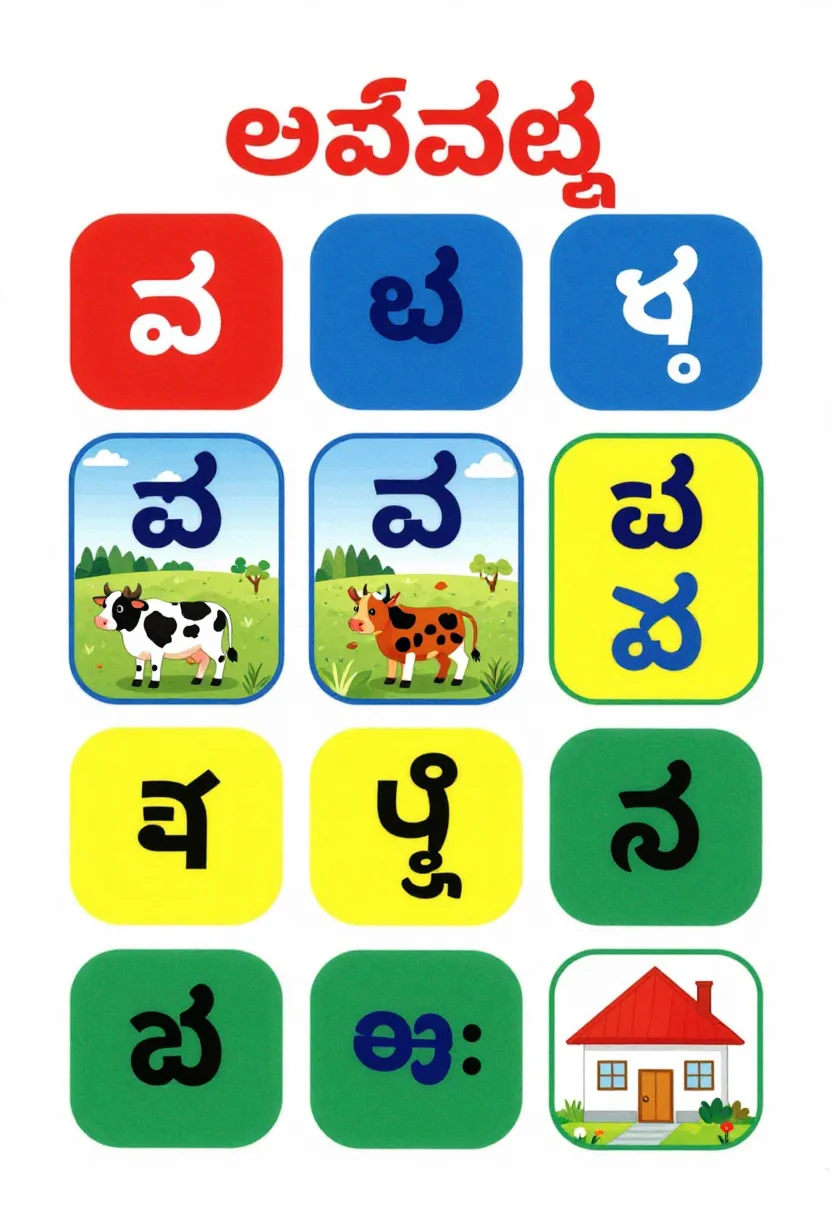
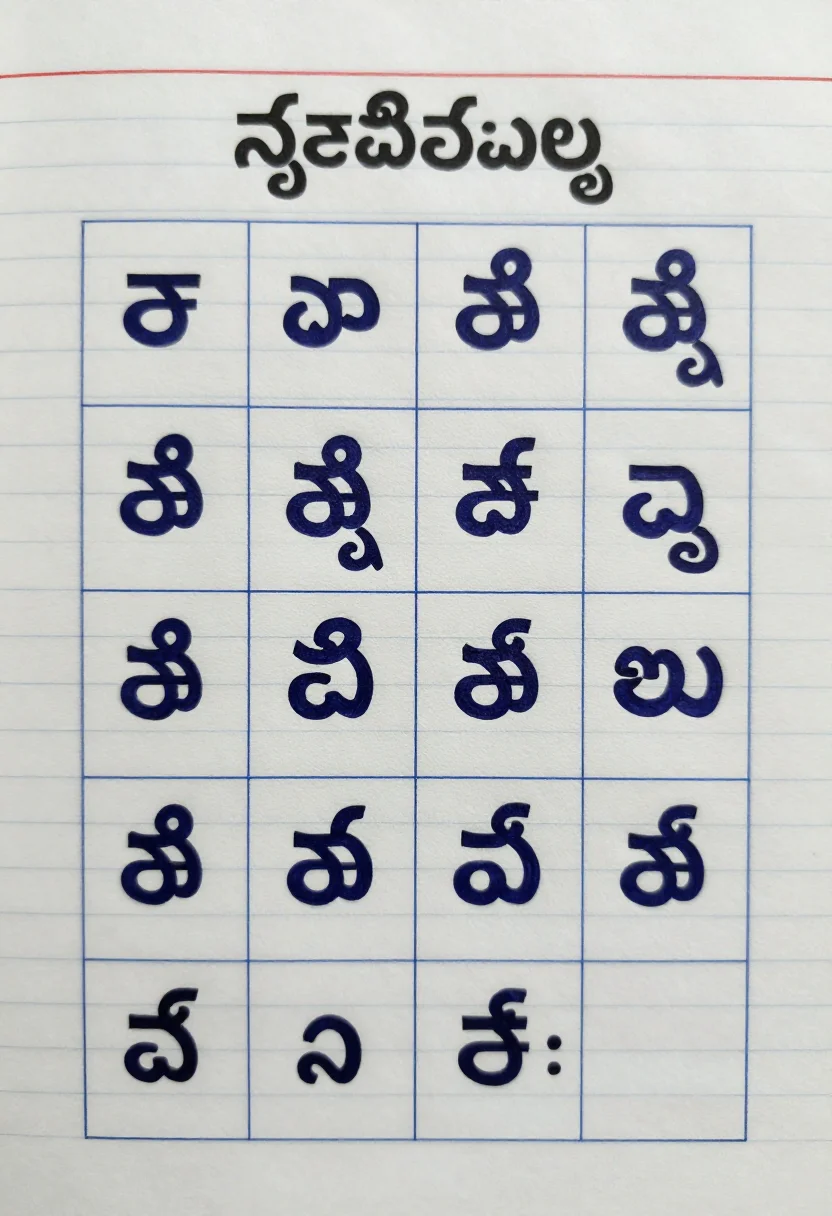
Make your ownTelugu alphabet charts
Describe yours. We'll remake the whole pack your way.
More like this
the whole catalog →
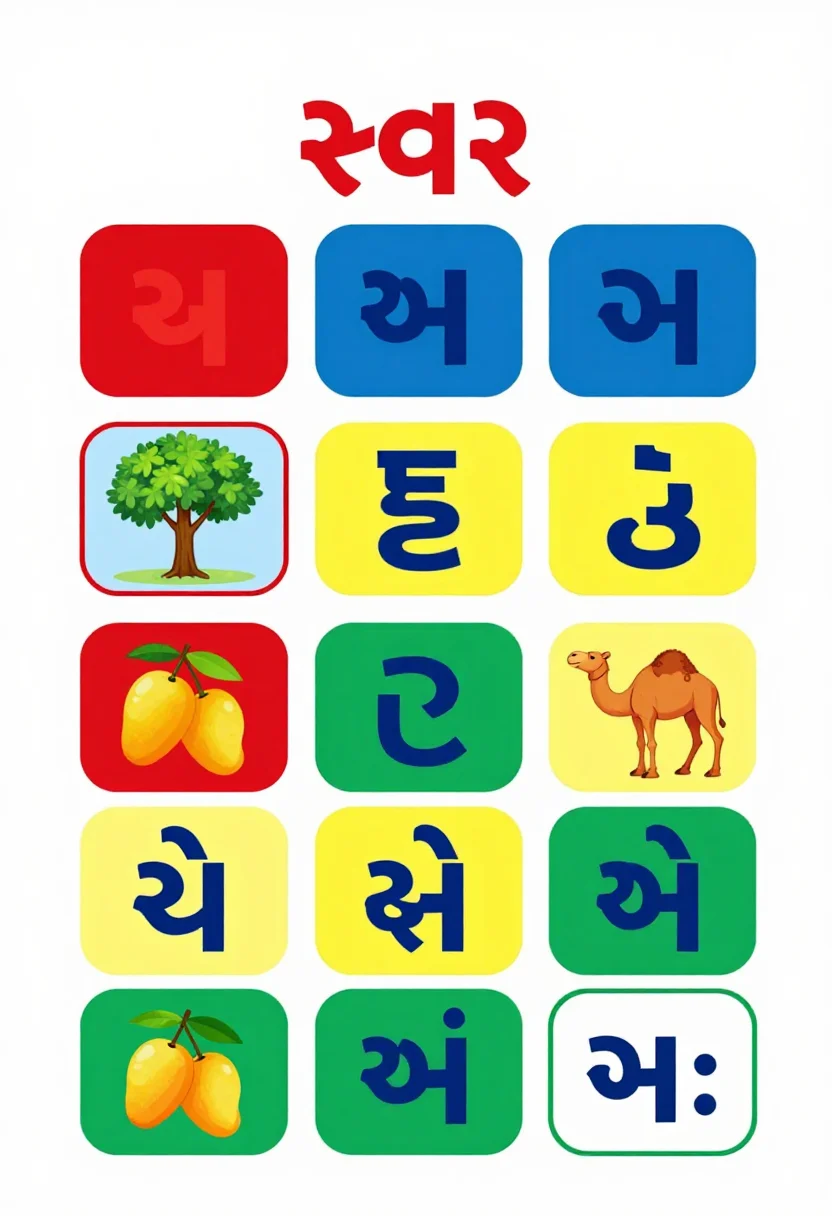
every sample — three subjects, three styles ↓
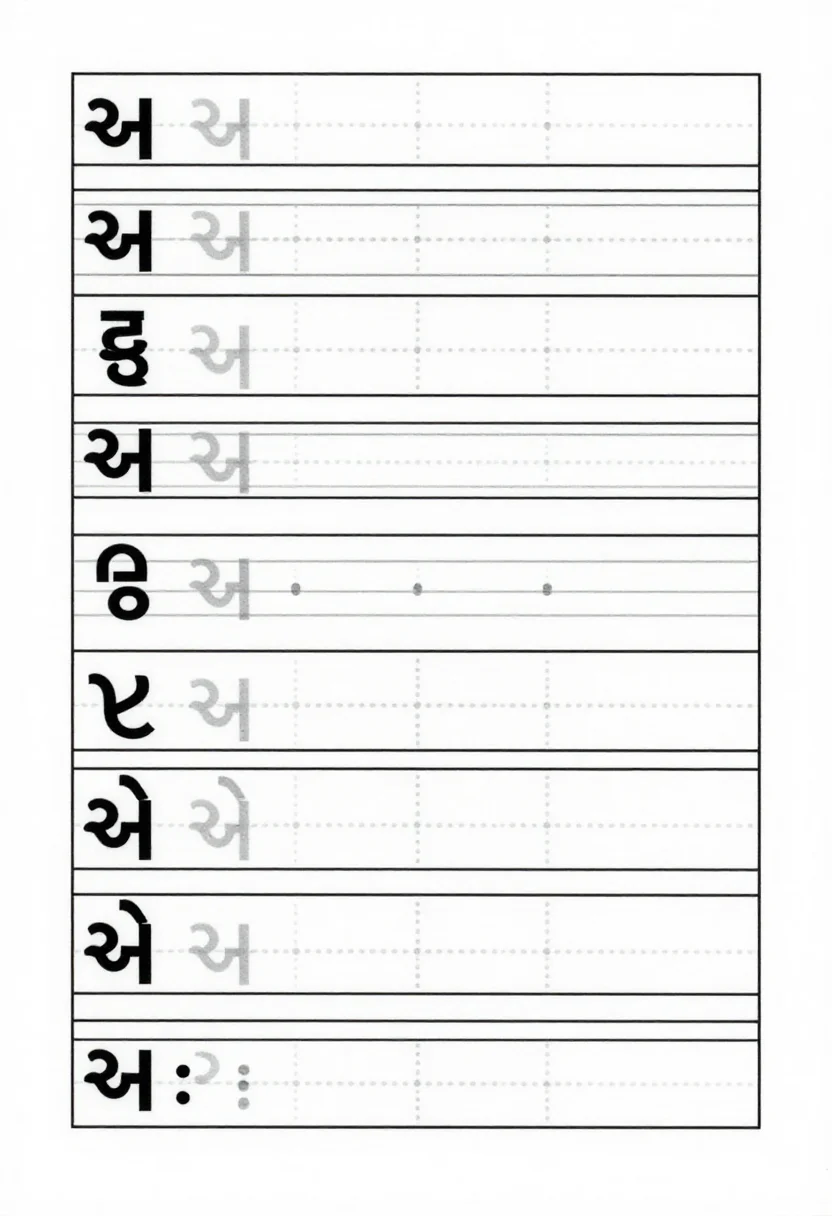
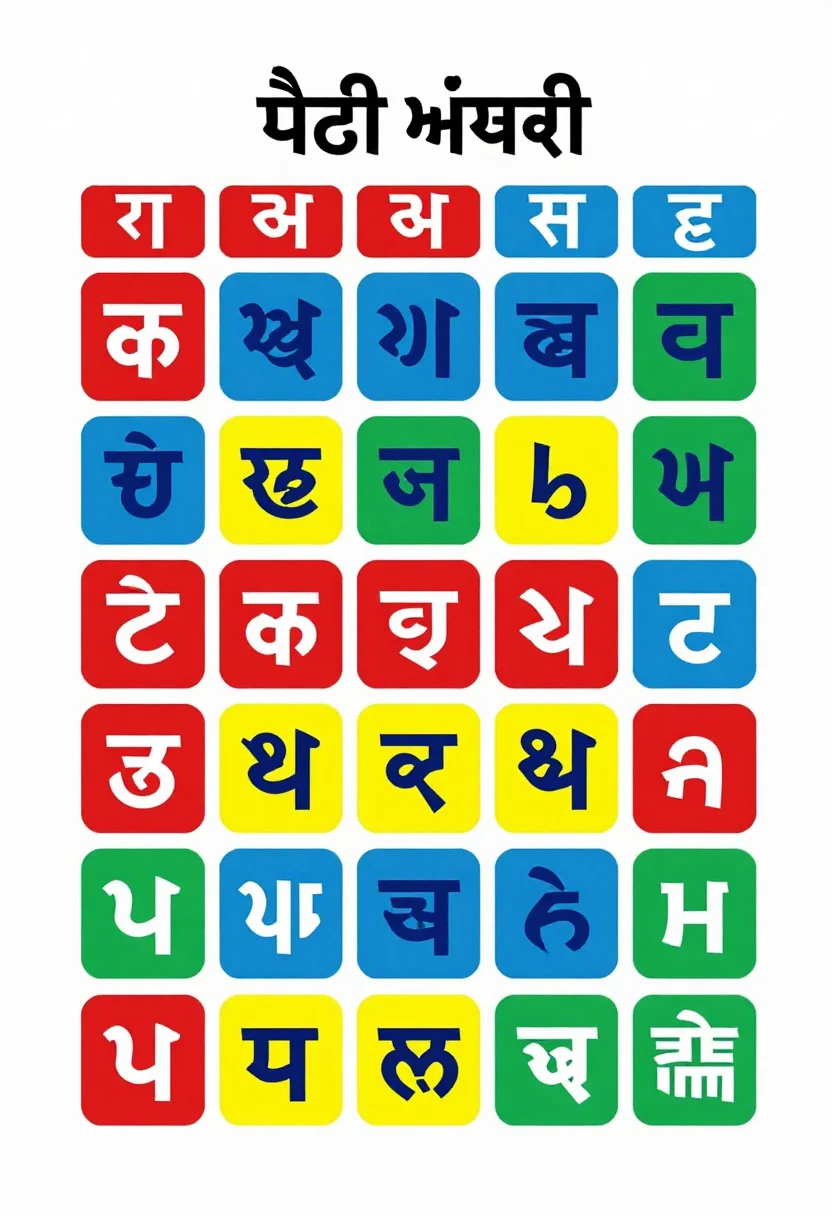
Telugu aksharalu charts for a child learning to read, in Andhra Pradesh, Telangana or abroad. One chart shows the achulu, the vowels, each with a small picture such as a cow for aa. One shows the hallulu, the consonants in rows of five. One shows the gunintham, the vowel signs on the letter ka. You can also type a twist, such as with fruit or pastel colours, and the charts are drawn to that request.
- a classroom wall for Telugu letters
- a home reading corner
- a handout for a Telugu class
- a reference for the gunintham signs
Frequently asked questions
- What are achulu and hallulu?
- Achulu are the Telugu vowels and hallulu are the consonants. The two charts follow the traditional order.
- What is gunintham?
- The vowel signs that change the sound of a consonant. The chart shows the consonant ka with each sign, in a grid.
- Are the vowels shown with pictures?
- Yes. Each vowel in the achulu chart sits in its own box with a small picture word, such as a house for i.
- Which style suits a child's notebook?
- The ruled notebook style has blue lines and a red margin line on white paper, with dark ink.
About toile
This page is a showcase and a starting point: nine samples already rendered, three readings of the pack crossed with three styles, each shown at the size and ratio it was made for. Take any of them further on the wall with a few words, or ask for all nine again under your own direction; a sign-in keeps what you make, and it is free while Toile is new. The recipe behind each sample — the subject, the style, the palette, the framing — travels with the image rather than staying private to the render: it is in the alt text of every sample and in the page's own structured data, so a search engine reads the same handles a person would.