/thanksgiving-mazes · season
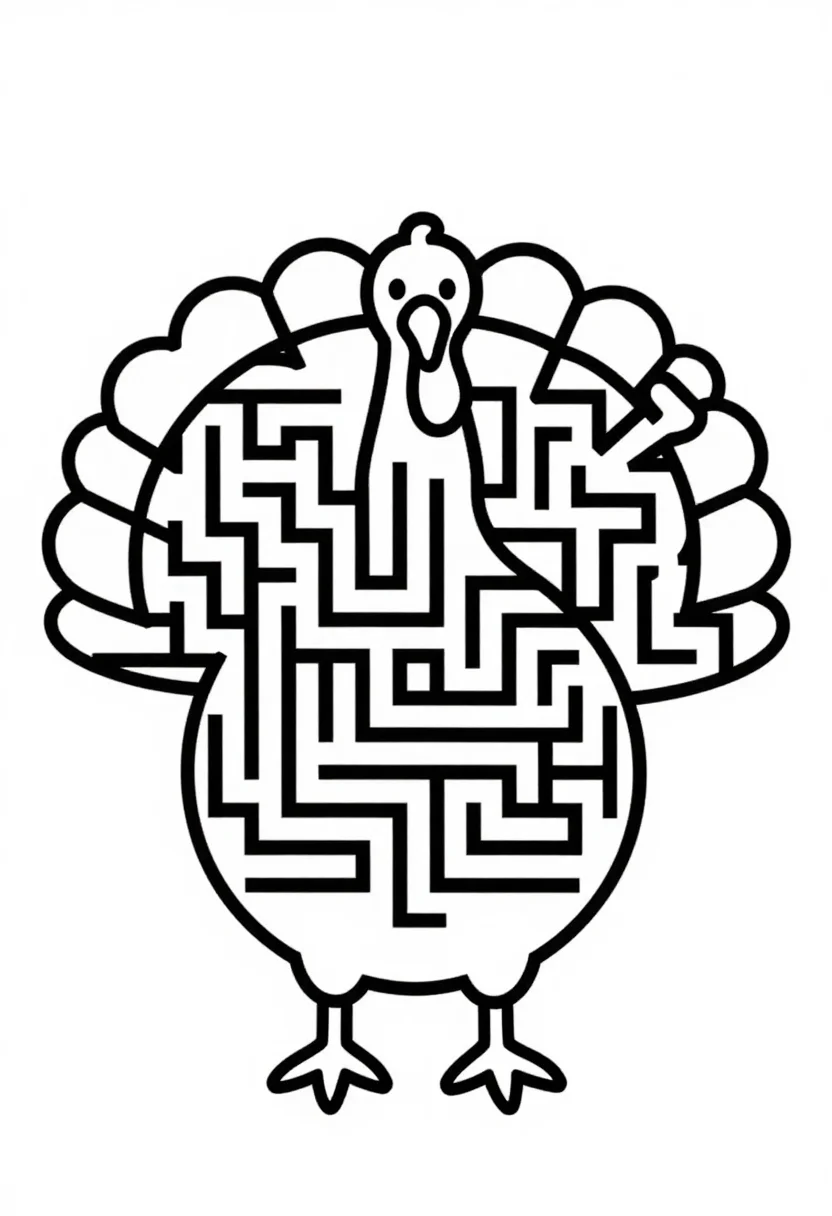
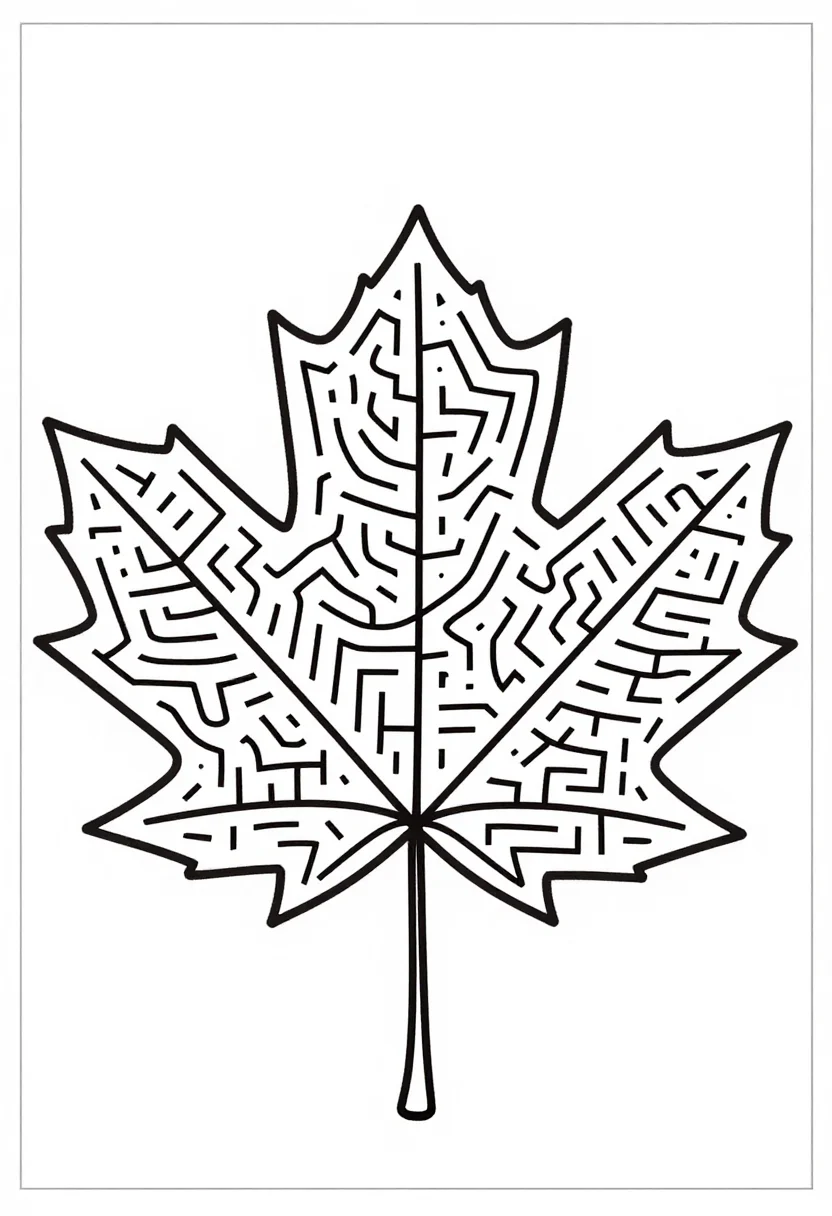
Thanksgiving mazes: turkey, farm-to-table and leaf labyrinth
Make your ownThanksgiving mazes
Describe yours. We'll remake the whole pack your way.
More like this
the whole catalog →
every sample — three subjects, three styles ↓
A maze with a Thanksgiving story: a turkey with a fanned tail, a path winding from farm to table, a leaf labyrinth inside a maple outline. Each comes in three difficulties — easy and bold for a beginner, classic mid-density, and expert with fine dense corridors. Every maze has exactly one true route, start and finish marked. Ask for a different Thanksgiving scene and it redraws at all three difficulties.
- a car-ride activity sheet
- a classroom Thanksgiving worksheet
- a kids'-table activity before dinner
- a rainy-day printable for kids
Frequently asked questions
- What size do the mazes print at?
- Each maze is drawn at portrait A4 proportions with a white margin, so it prints clean on standard paper.
- Is there only one correct path?
- Yes — every maze has exactly one true route from start to finish, walls printed solid so the path reads clean.
- What's the difference between the three difficulties?
- Easy uses bold wide corridors with few dead ends, classic is standard puzzle-book density, and expert is fine-walled with dense winding corridors — the same three levels a puzzle book uses.
- Can I get a different Thanksgiving maze?
- Yes — that's what the direction field is for. Type a different scene, like a word search instead, and it redraws at all three difficulties.
About toile
This page is a showcase and a starting point: nine samples already rendered, three readings of the pack crossed with three styles, each shown at the size and ratio it was made for. Take any of them further on the wall with a few words, or ask for all nine again under your own direction; a sign-in keeps what you make, and it is free while Toile is new. The recipe behind each sample — the subject, the style, the palette, the framing — travels with the image rather than staying private to the render: it is in the alt text of every sample and in the page's own structured data, so a search engine reads the same handles a person would.