/til-gul-cards · faith
Tilgul cards: the saying, halwa jewellery, haldi kunku invitation
Make your ownTilgul cards
Describe yours. We'll remake the whole pack your way.
More like this
the whole catalog →

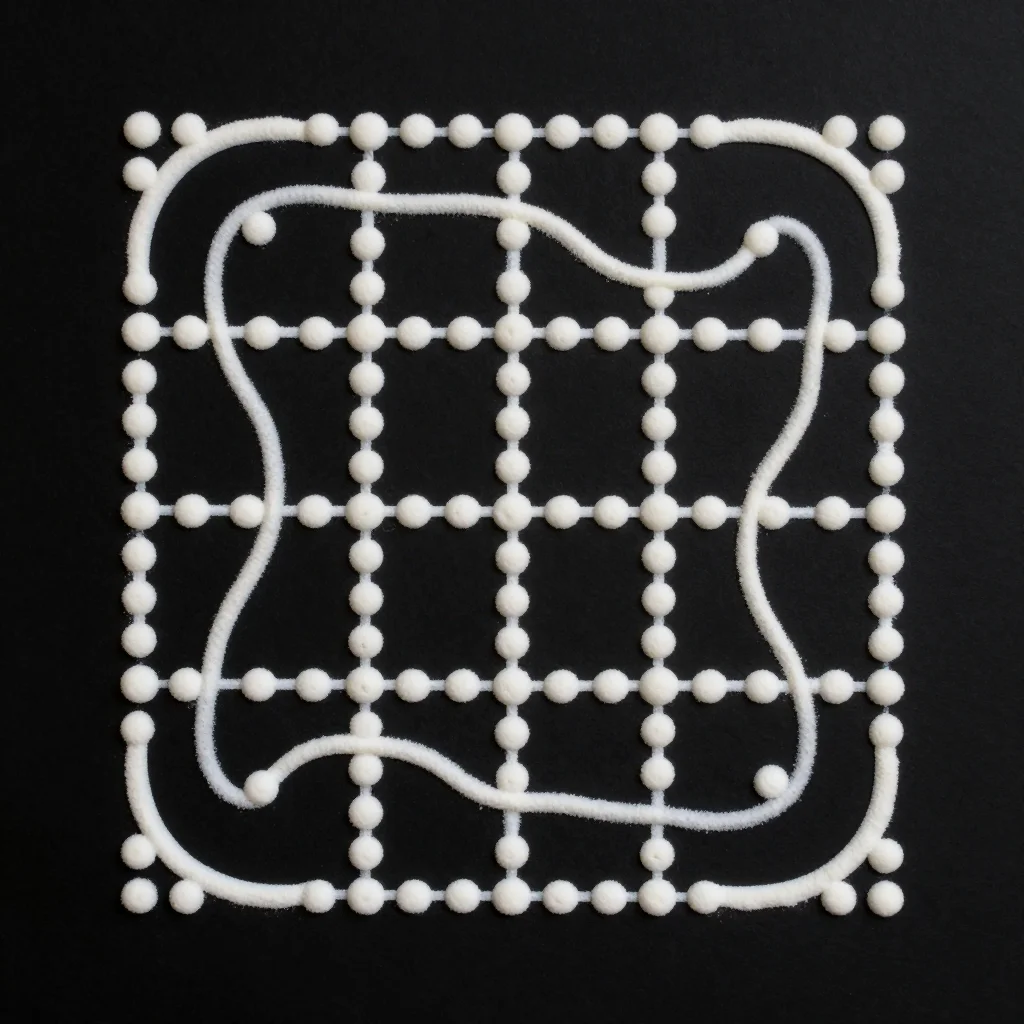
every sample — three subjects, three styles ↓
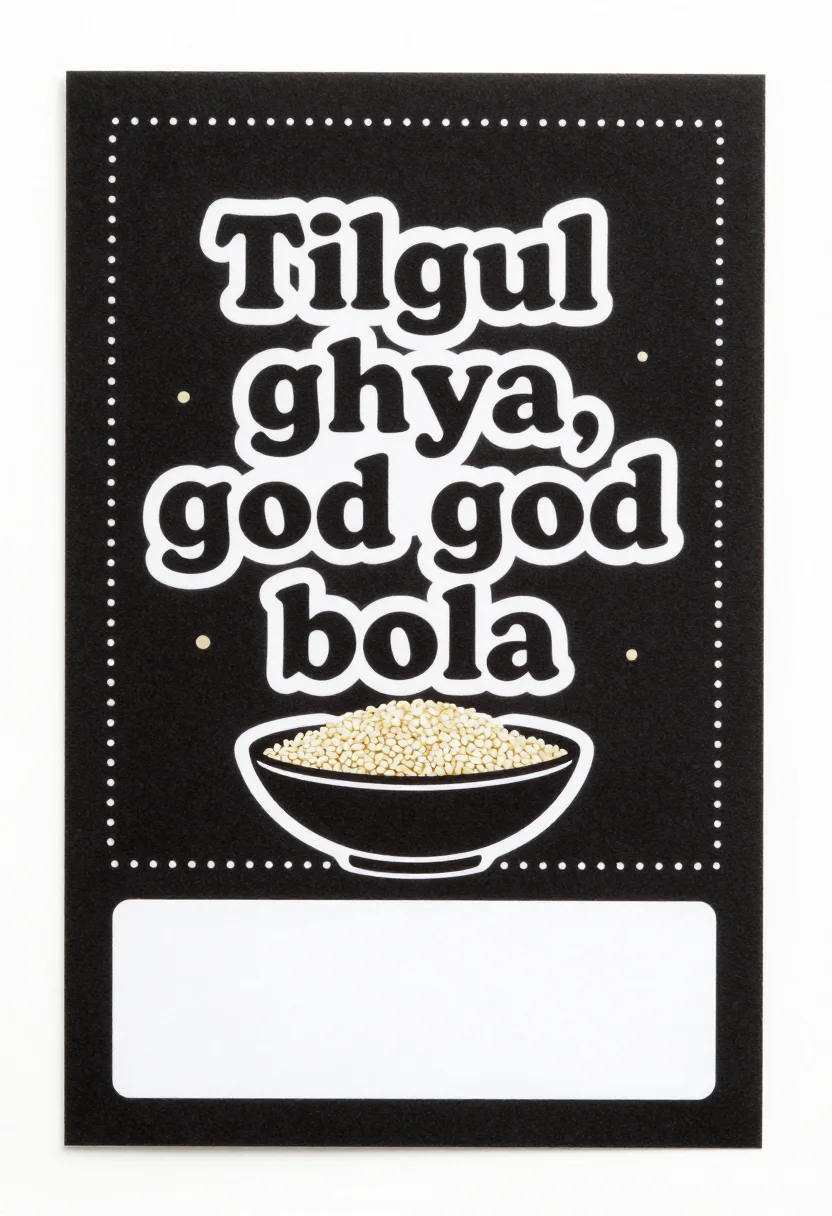
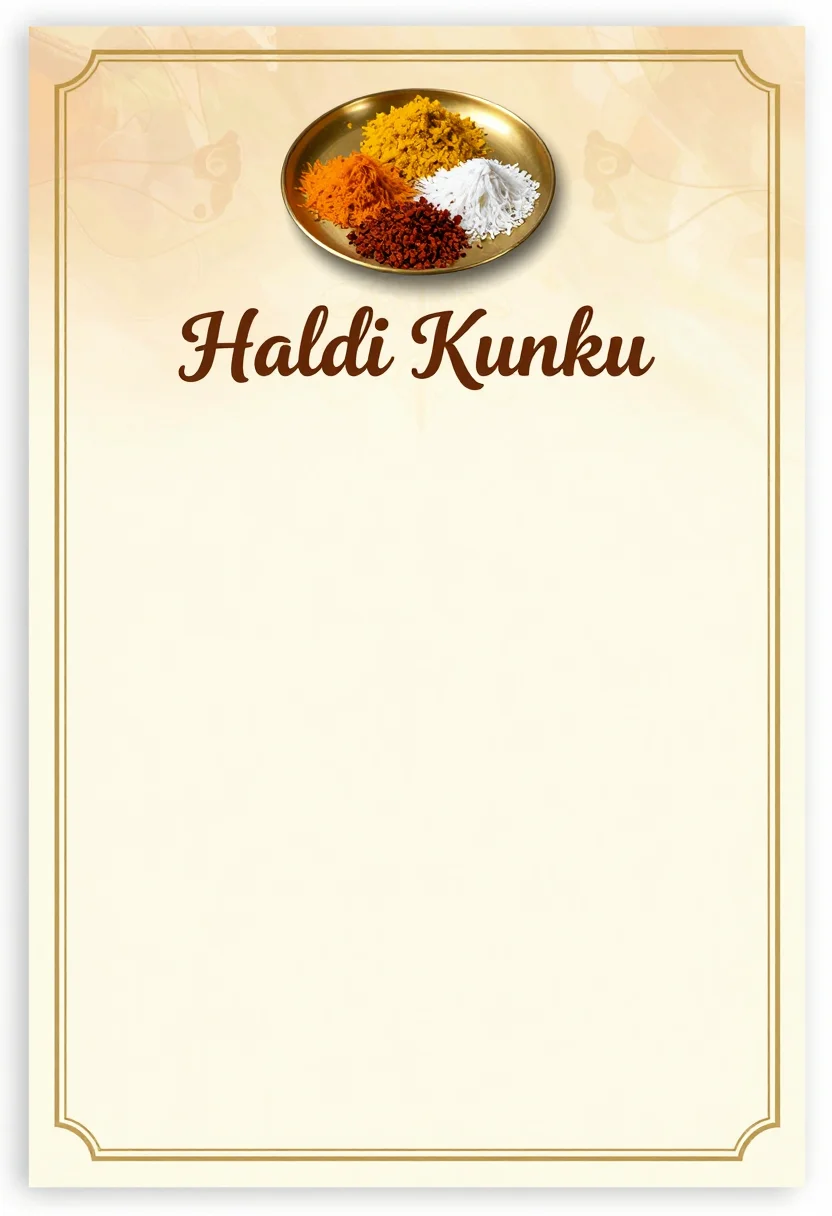
Greeting cards for Sankranti in Maharashtra, given with tilgul, sesame and jaggery and the saying 'tilgul ghya, god god bola', which asks the receiver to take the sweets and speak sweetly. The nine carry the saying, a bride's first Sankranti with sugar-coated halwa jewellery, or a haldi kunku invitation with lines for the date and address. Each has a blank panel for a name. Type a different subject, such as Wedding, and the card is made to that request.
- a Sankranti greeting for family and neighbours
- a haldi kunku invitation with space for the details
- a card for a bride's first Sankranti
- a card for colleagues in Maharashtra
Frequently asked questions
- What does the saying on the first card mean?
- 'Tilgul ghya, god god bola' asks the receiver to take the sesame and jaggery and speak sweetly.
- Is the haldi kunku card for a specific event?
- It is an invitation layout with empty lines for the date and address, so the details are written in by hand.
- What is the difference between the three styles?
- Black and white uses bold graphic shapes with fine white dotted borders; Warli uses white stick-figure linework on deep black; soft pastel uses gentle gradients in jaggery brown and cream.
- Can I change the subject?
- Yes. Type a different subject or twist and the card is made to that request; the nine samples stay as shown.
About toile
This page is a showcase and a starting point: nine samples already rendered, three readings of the pack crossed with three styles, each shown at the size and ratio it was made for. Take any of them further on the wall with a few words, or ask for all nine again under your own direction; a sign-in keeps what you make, and it is free while Toile is new. The recipe behind each sample — the subject, the style, the palette, the framing — travels with the image rather than staying private to the render: it is in the alt text of every sample and in the page's own structured data, so a search engine reads the same handles a person would.