/train-coloring-pages · coloring
Train coloring pages: steam engine, toy train, high-speed train
Make your ownTrain coloring pages
Describe yours. We'll remake the whole pack your way.
More like this
the whole catalog →



every sample — three subjects, three styles ↓
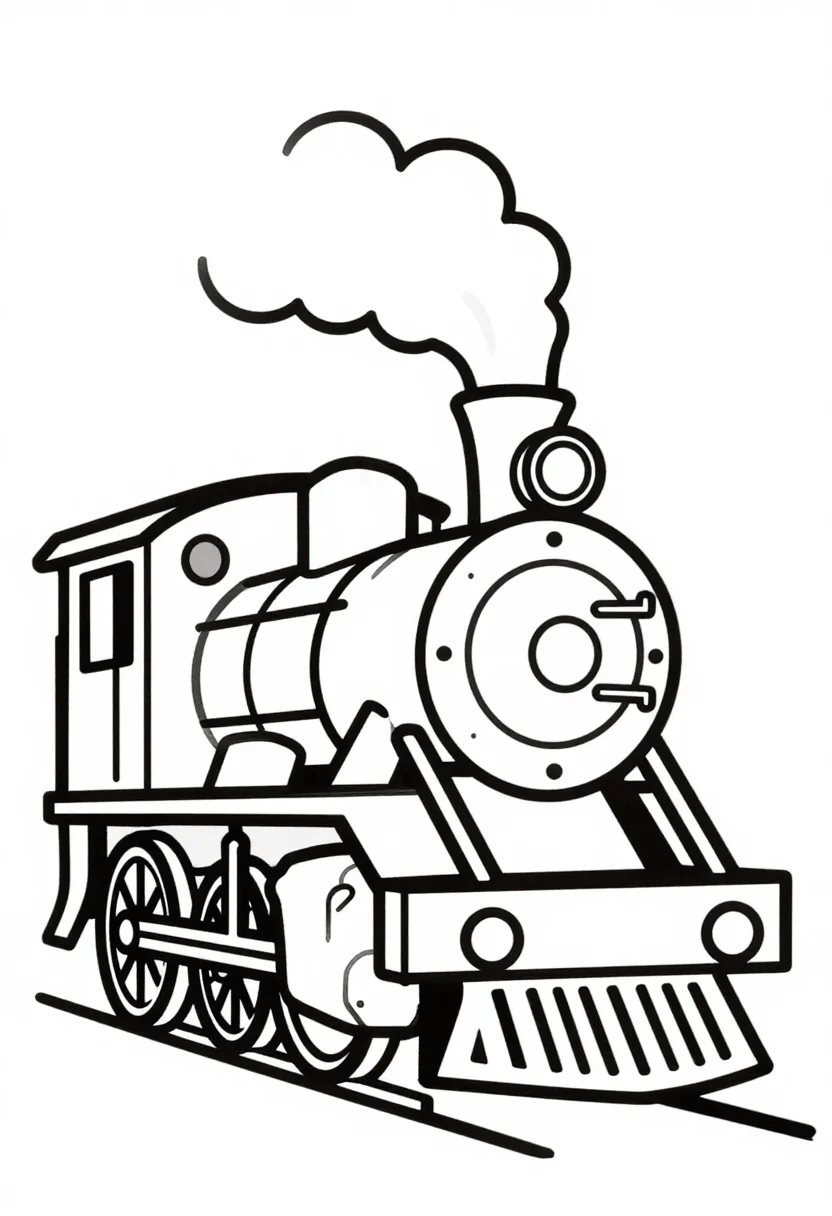
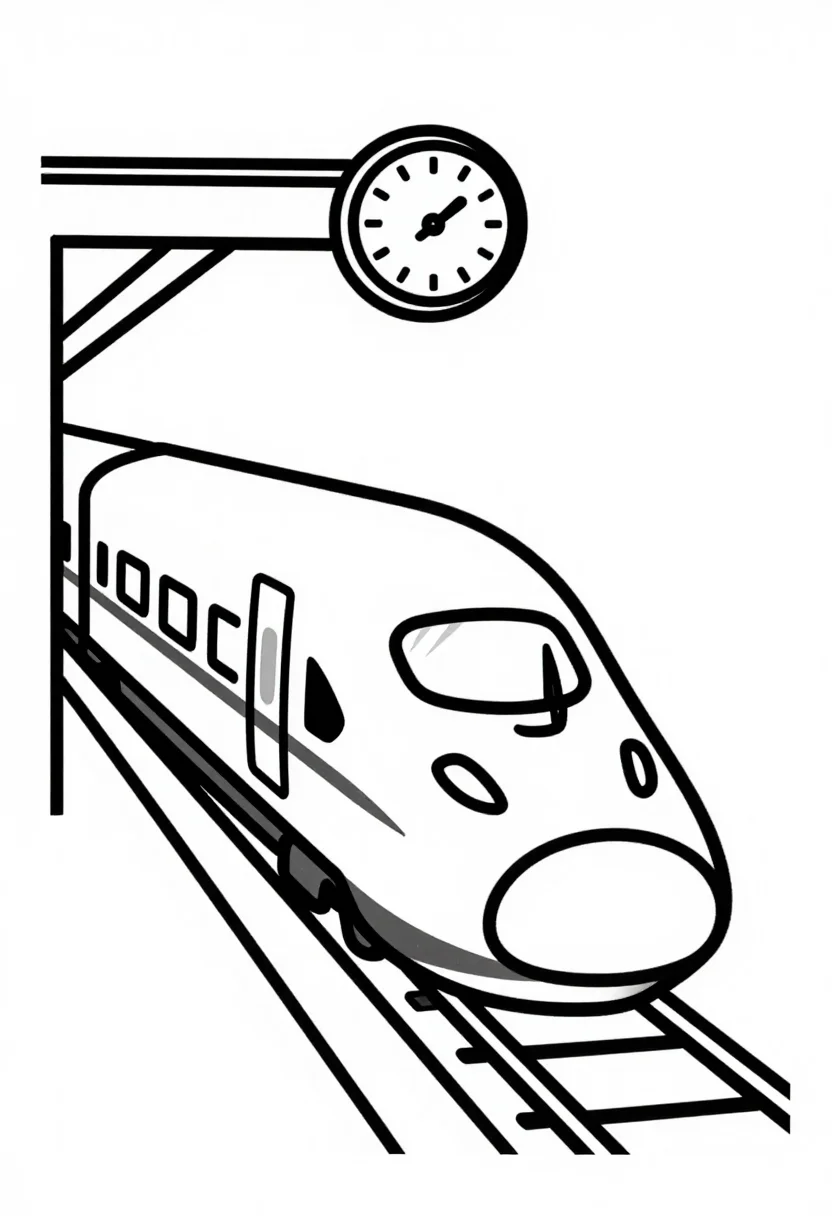
Train coloring pages for train-mad children and model-railway fans of every age. The nine pages show a steam locomotive, a toy train winding through hills and a high-speed train at a platform. The styles are bold, fine detail with every rivet and rail closed as its own shape, and cartoon. Type a different train, such as a tram or a subway train, and the same style carries it.
- a coloring page for a train-themed birthday
- a model-railway sketch reference
- a travel activity for a long journey
- a classroom page for a transport lesson
Frequently asked questions
- What is the difference between the styles?
- Bold uses thick outlines and large simple shapes. Fine detail draws the engineering, with spokes, rivets, windows and rails each closed as a small shape, and cartoon uses chunky outlines with a smiling front.
- Which train is on each page?
- A steam locomotive, a toy train winding through hills and a modern high-speed train at a platform, each in three styles.
- Can I ask for a different train?
- Yes. A train you type, such as a tram, a night train or a subway train, is a request; the page keeps the same style but may not match it exactly.
- Are the pages in color?
- No. Each page is a black line drawing on white paper, ready to print and color.
About toile
This page is a showcase and a starting point: nine samples already rendered, three readings of the pack crossed with three styles, each shown at the size and ratio it was made for. Take any of them further on the wall with a few words, or ask for all nine again under your own direction; a sign-in keeps what you make, and it is free while Toile is new. The recipe behind each sample — the subject, the style, the palette, the framing — travels with the image rather than staying private to the render: it is in the alt text of every sample and in the page's own structured data, so a search engine reads the same handles a person would.