/tricolor-craft-templates · faith
Tricolour craft templates: hand flags, headband, pinwheel
Make your ownTricolour craft templates
Describe yours. We'll remake the whole pack your way.
More like this
the whole catalog →
every sample — three subjects, three styles ↓
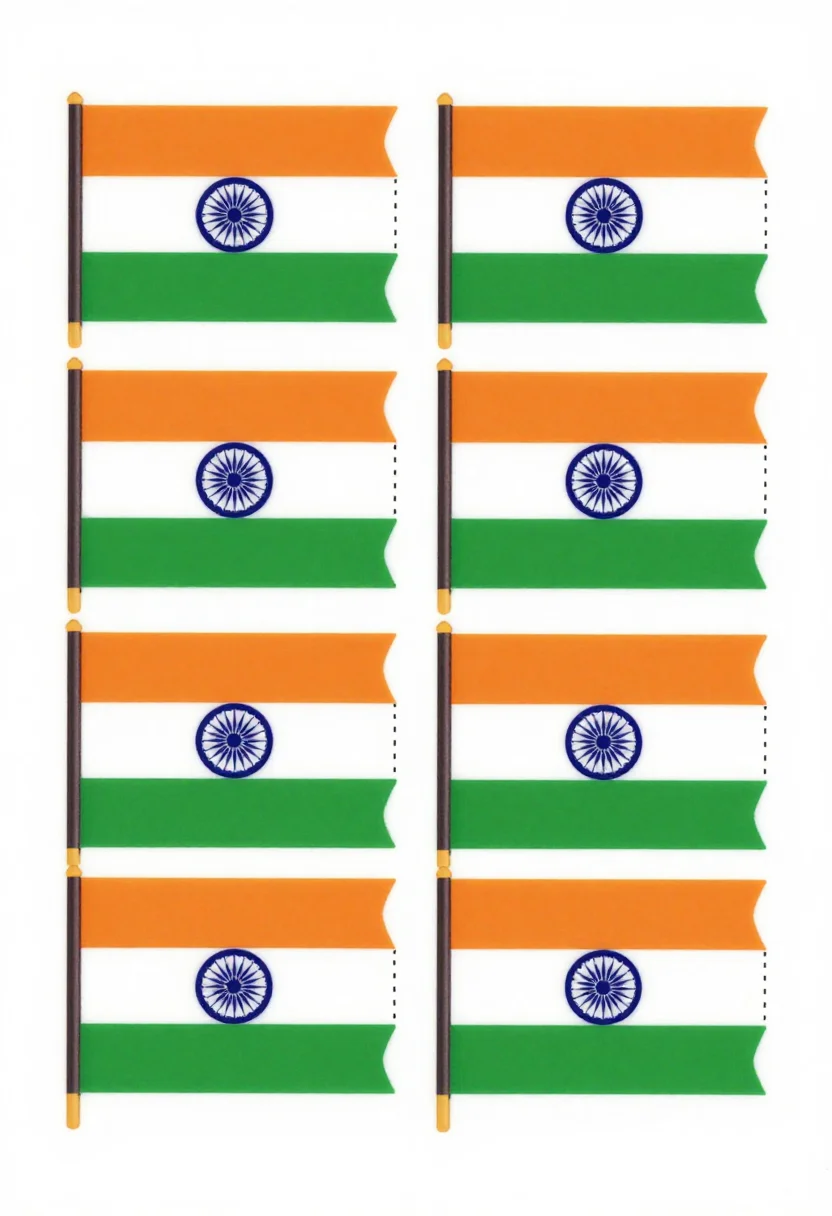
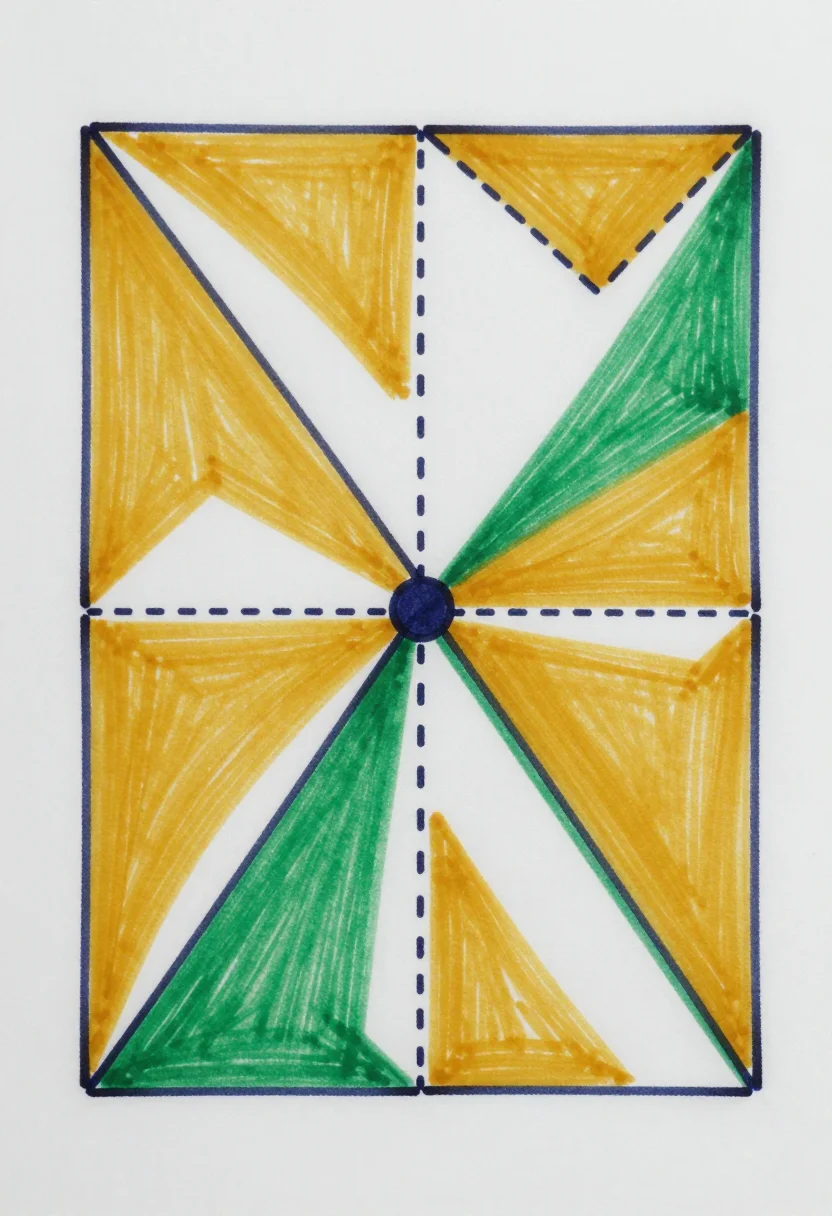
Printable sheets for Republic Day craft at school or at home: print in colour, cut along the dashed lines, fold and glue. The subjects are four small tricolour flags, a long headband with a chakra, and a square pinwheel with a dot where the pin goes. Each sheet lays out the pieces flat with cut and fold lines. Type a different craft, such as a bookmark, and the sheet is made to that request.
- a craft lesson for 26 January in a classroom
- a home activity for children on Republic Day
- a headband for a school parade day
- a flag-making session in a community centre
Frequently asked questions
- Should I print in colour?
- Yes, for the best result; the cut lines and fold lines are dashed and dotted so they show on the sheet in any case.
- What is the difference between the three styles?
- Flat colour uses solid fills with a thin outline; khadi texture adds a woven cloth look in muted tones; marker drawn has wobbly felt-tip outlines and streaky fills.
- Can I change the craft?
- Yes. Type a different craft, such as a bookmark or bunting, and the sheet is made to that request.
About toile
This page is a showcase and a starting point: nine samples already rendered, three readings of the pack crossed with three styles, each shown at the size and ratio it was made for. Take any of them further on the wall with a few words, or ask for all nine again under your own direction; a sign-in keeps what you make, and it is free while Toile is new. The recipe behind each sample — the subject, the style, the palette, the framing — travels with the image rather than staying private to the render: it is in the alt text of every sample and in the page's own structured data, so a search engine reads the same handles a person would.