/veer-gatha-drawings · coloring
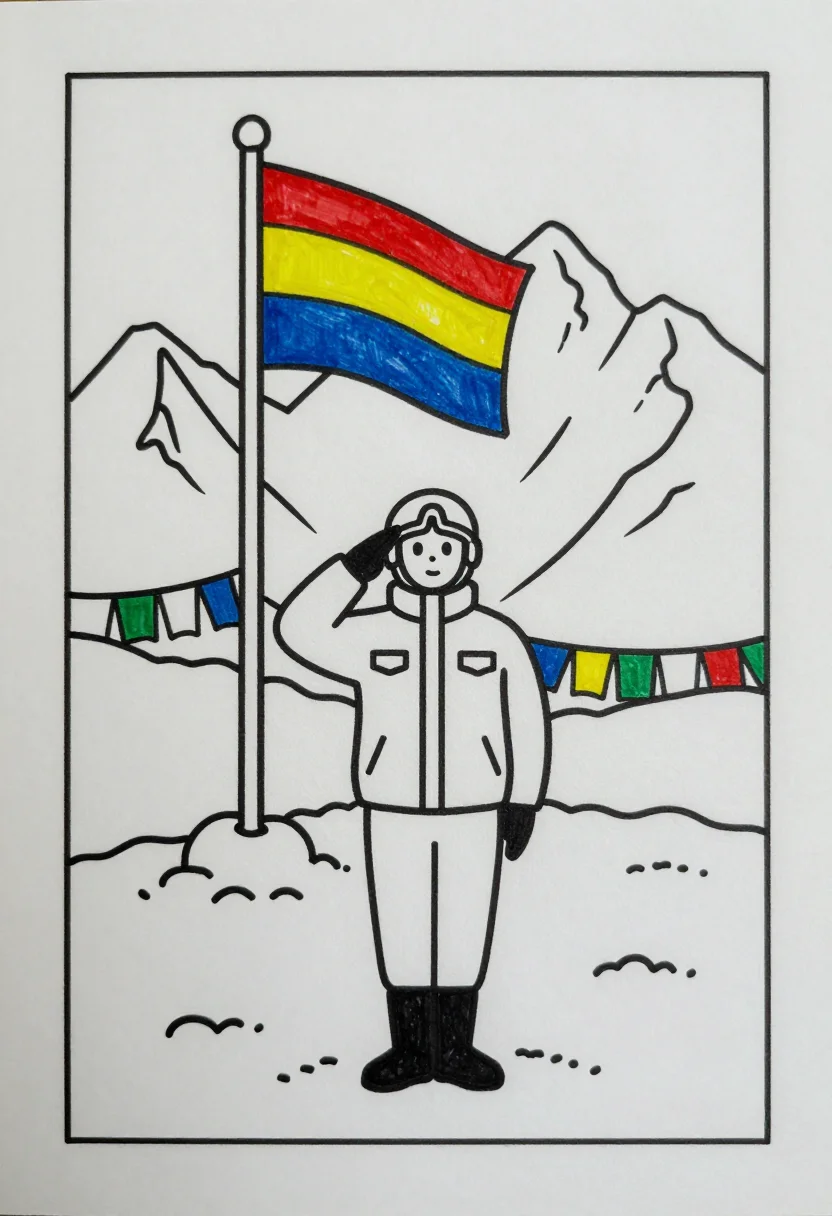
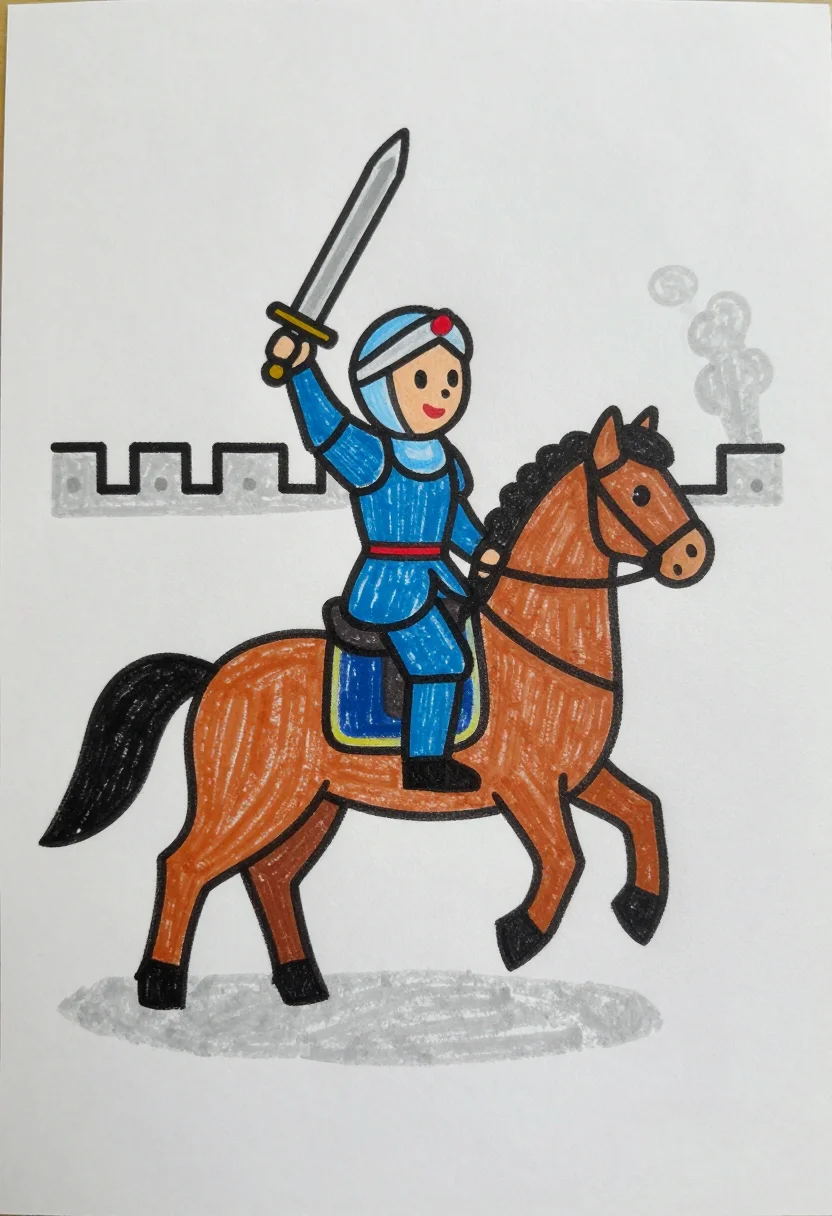
Veer Gatha drawings: a soldier, a gallantry medal, a warrior queen
Make your ownVeer Gatha drawings
Describe yours. We'll remake the whole pack your way.
More like this
the whole catalog →
every sample — three subjects, three styles ↓
Drawing sheets for Veer Gatha, the project that asks students to draw a gallantry hero or a freedom fighter. Three subjects: a soldier saluting the flag at a Himalayan post, the Param Vir Chakra beside an eternal flame, and a queen on a rearing horse. Each comes as black outline, graphite pencil sketch and crayon colour. Type another hero, such as a nurse, and it is drawn in the same styles.
- a Veer Gatha drawing competition entry
- a school bulletin board on the armed forces
- a colouring sheet for a classroom project
- a display for Republic Day or Independence Day
Frequently asked questions
- What is in the pack?
- Nine drawings of three subjects: a soldier saluting the flag, the Param Vir Chakra beside a flame, and a warrior queen on a horse. Each subject comes in three styles.
- How do the three styles differ?
- Bold outline is black ink line art to colour in. Pencil sketch is soft graphite with light shading. Crayon colour is a black outline filled with bright waxy crayon.
- Can I ask for a different hero?
- Yes. Type the person or scene and it is drawn in the same three styles. It is a request, so the likeness and details can differ from the samples.
- Can I print them?
- Yes. Each picture is a portrait sheet on plain white paper, ready to print or copy.
About toile
This page is a showcase and a starting point: nine samples already rendered, three readings of the pack crossed with three styles, each shown at the size and ratio it was made for. Take any of them further on the wall with a few words, or ask for all nine again under your own direction; a sign-in keeps what you make, and it is free while Toile is new. The recipe behind each sample — the subject, the style, the palette, the framing — travels with the image rather than staying private to the render: it is in the alt text of every sample and in the page's own structured data, so a search engine reads the same handles a person would.