/video-game-posters · wall-art
Video game posters: pixel platformer, fantasy epic, arcade racer
Make your ownVideo game posters
Describe yours. We'll remake the whole pack your way.
More like this
the whole catalog →
every sample — three subjects, three styles ↓
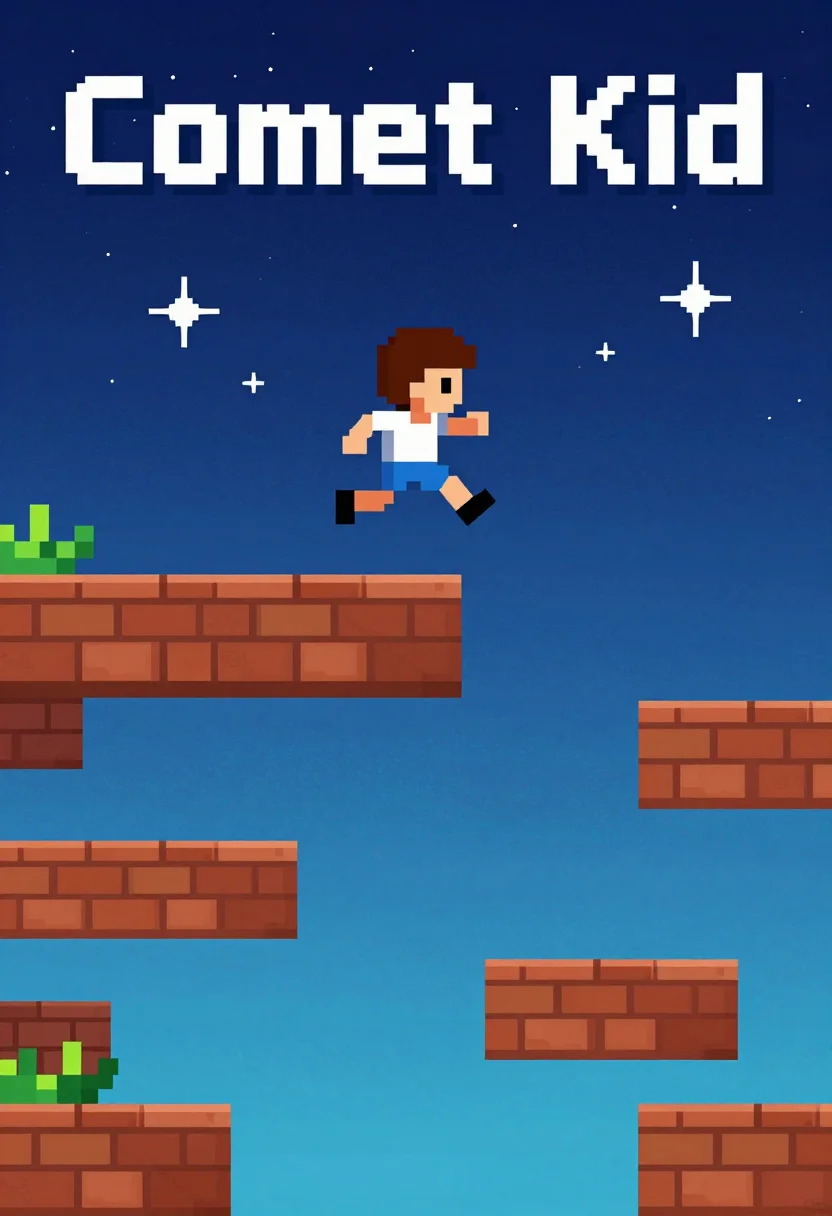
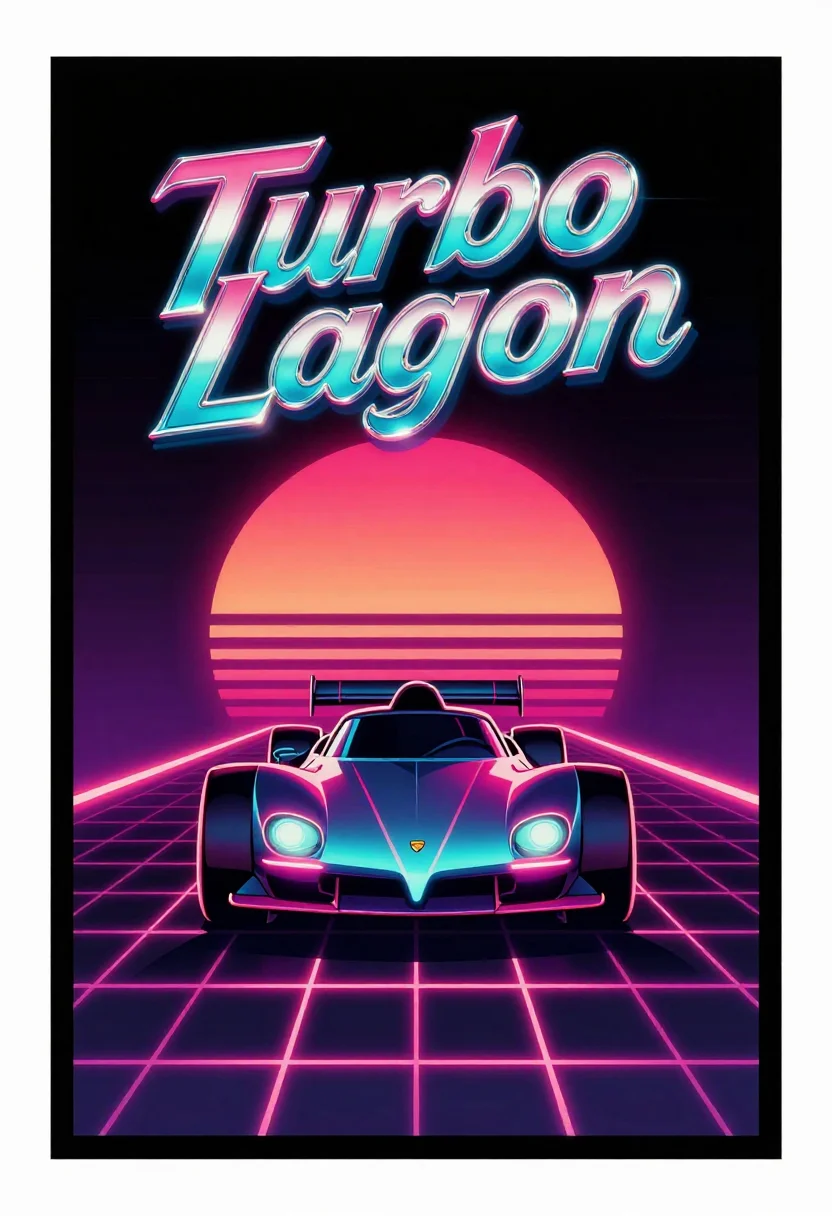
Gamers hang posters in the look of the games they love above the desk and the console. These nine posters show three invented games: Comet Kid, a pixel platformer with a hero leaping between brick platforms; Crown of Cinders, a fantasy epic with a lone armoured figure before a burning castle; and Turbo Lagoon, a retro arcade racer on a neon grid. None of them is a real game. Type a request, such as space theme, to shape it.
- a poster above a gaming desk
- a wall print in a game room
- a gift for a gamer
- a backdrop beside a games console
Frequently asked questions
- Are these posters of real games?
- No. All three titles are invented, and the posters copy the look of their genres.
- What are the three styles?
- Pixel art uses square pixels with no smoothing and a limited palette, painted key art uses deep blue shadows with warm orange light, and retro synthwave uses magenta, cyan and violet on near-black.
- Can I ask for a different theme?
- Yes, as a request, such as a dragon. The nine posters show the three invented titles above.
About toile
This page is a showcase and a starting point: nine samples already rendered, three readings of the pack crossed with three styles, each shown at the size and ratio it was made for. Take any of them further on the wall with a few words, or ask for all nine again under your own direction; a sign-in keeps what you make, and it is free while Toile is new. The recipe behind each sample — the subject, the style, the palette, the framing — travels with the image rather than staying private to the render: it is in the alt text of every sample and in the page's own structured data, so a search engine reads the same handles a person would.