/visual-schedules · classroom
Visual schedule printable: daily strip, first-then, weekly grid
Make your ownVisual schedules
Describe yours. We'll remake the whole pack your way.
More like this
the whole catalog →
every sample — three subjects, three styles ↓
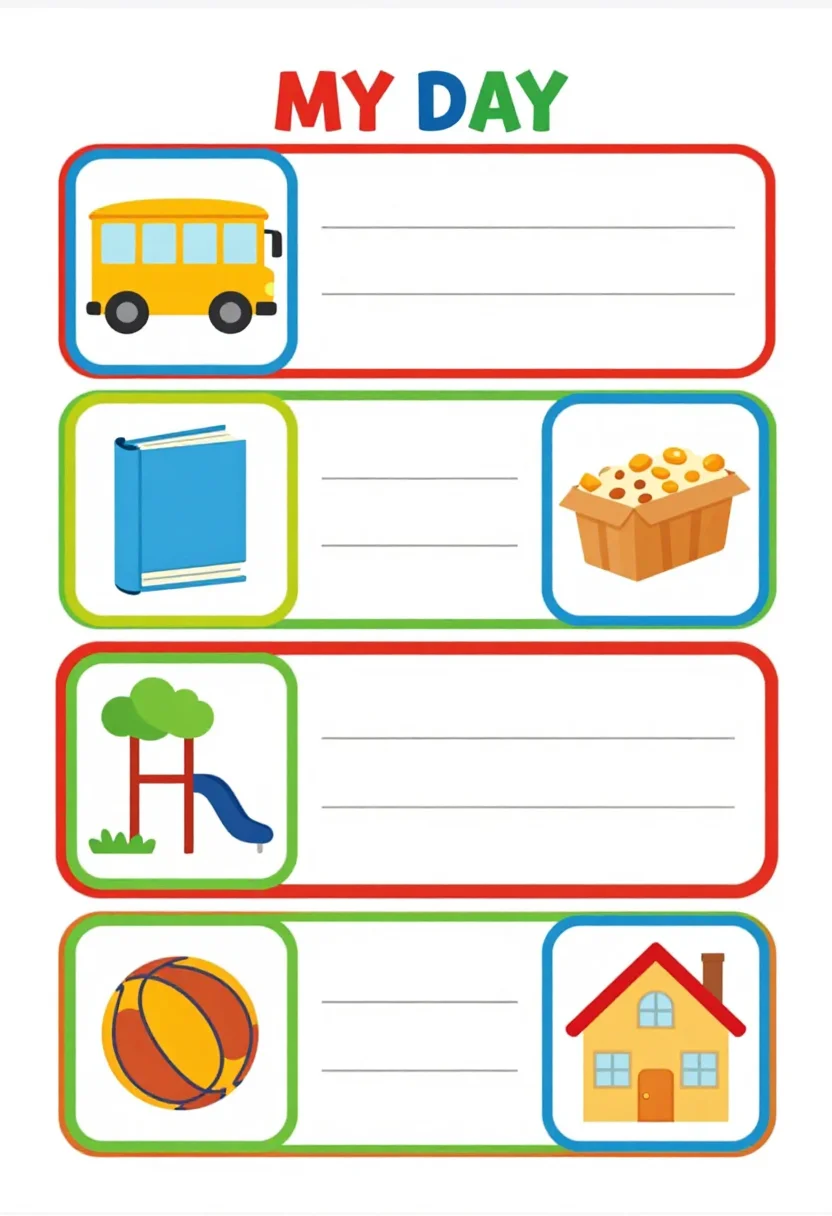
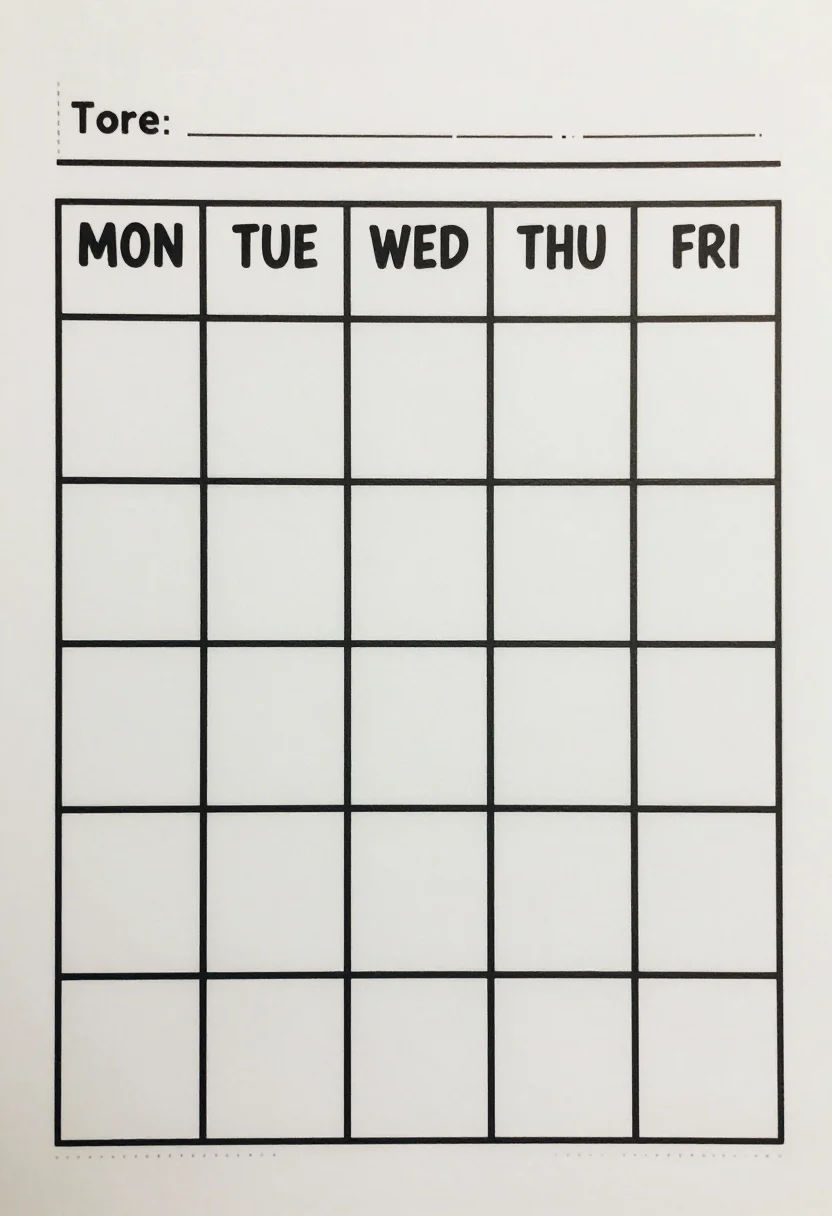
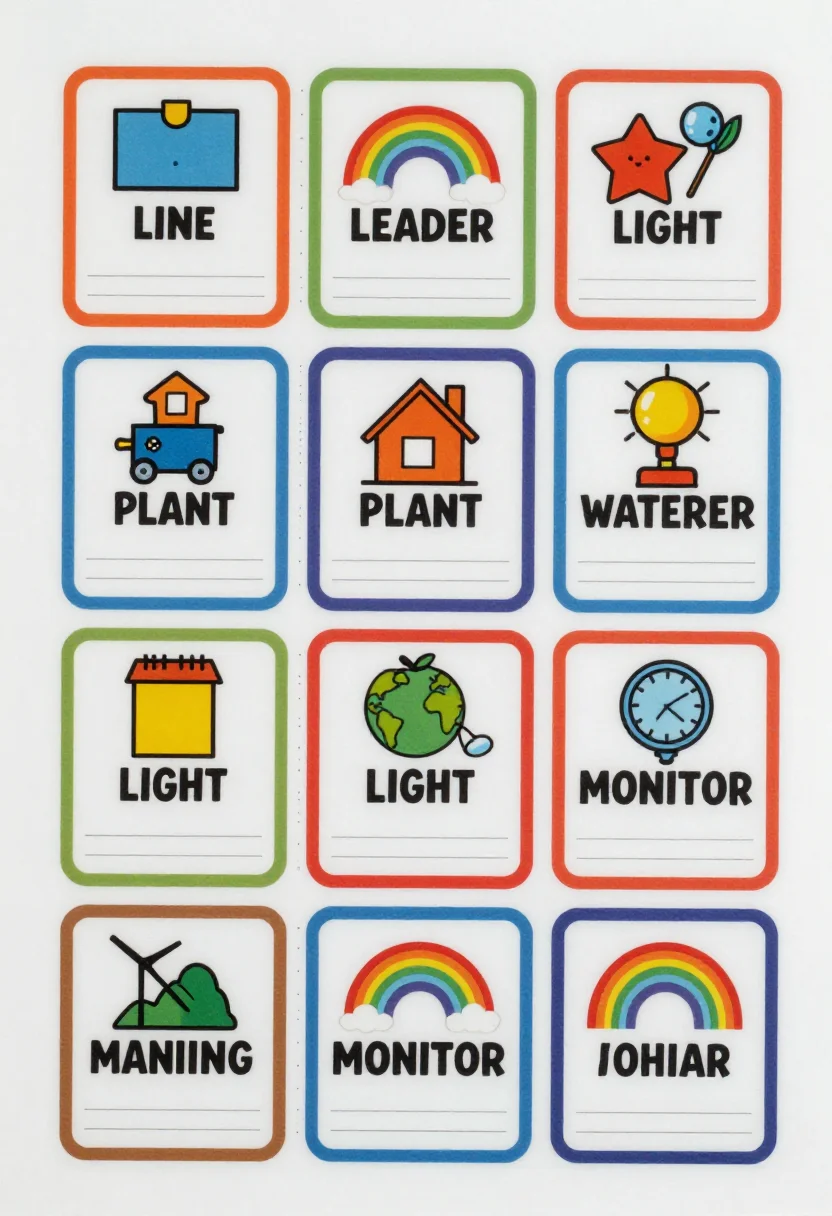
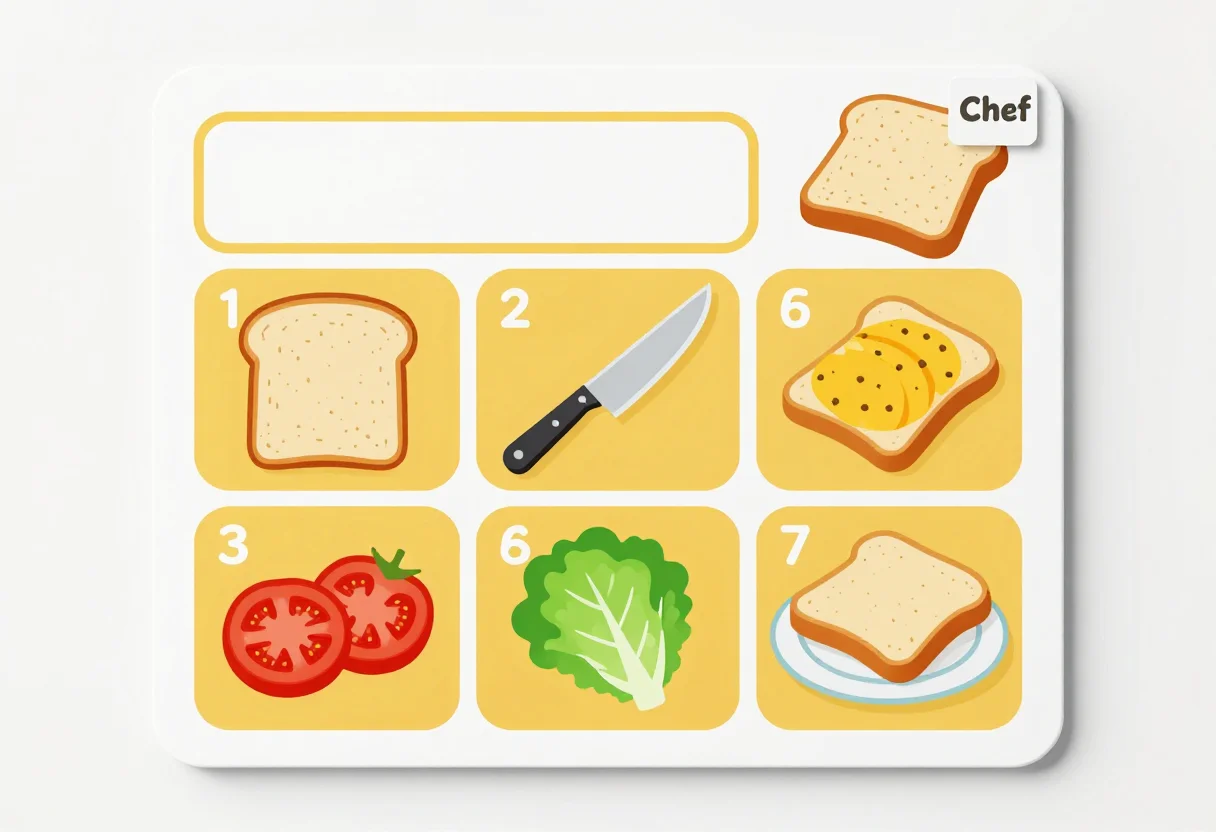
The picture schedule that goes on the wall or the desk: a vertical daily strip of picture cards, a first-then board, and a weekly grid with picture slots. These nine come in bright, pastel and blackline looks; the pictures are the words, so any routine requested redraws the same three formats — the same cards serve a classroom, a home or a therapy room.
- a classroom daily routine schedule
- a home visual schedule for a child
- a therapy room first-then board
- a weekly routine planning grid
- a special education visual support
Frequently asked questions
- Are the activity labels included?
- The pictures print with blank label lines, so a teacher or parent can add the exact routine steps.
- What's a first-then board?
- A two-slot board pairing a less-preferred activity with a preferred one, used to support a routine transition.
- Can I get a different routine set?
- Yes — the direction field takes any routine, and the same three formats redraw around it.
- What size do these print at?
- Portrait A4 proportions, sized to print, cut and laminate for repeated daily use.
About toile
This page is a showcase and a starting point: nine samples already rendered, three readings of the pack crossed with three styles, each shown at the size and ratio it was made for. Take any of them further on the wall with a few words, or ask for all nine again under your own direction; a sign-in keeps what you make, and it is free while Toile is new. The recipe behind each sample — the subject, the style, the palette, the framing — travels with the image rather than staying private to the render: it is in the alt text of every sample and in the page's own structured data, so a search engine reads the same handles a person would.