/wall-tapestries · wall-art
Wall tapestries: mandala medallion, mountain landscape, sun and moon
Make your ownWall tapestries
Describe yours. We'll remake the whole pack your way.
More like this
the whole catalog →
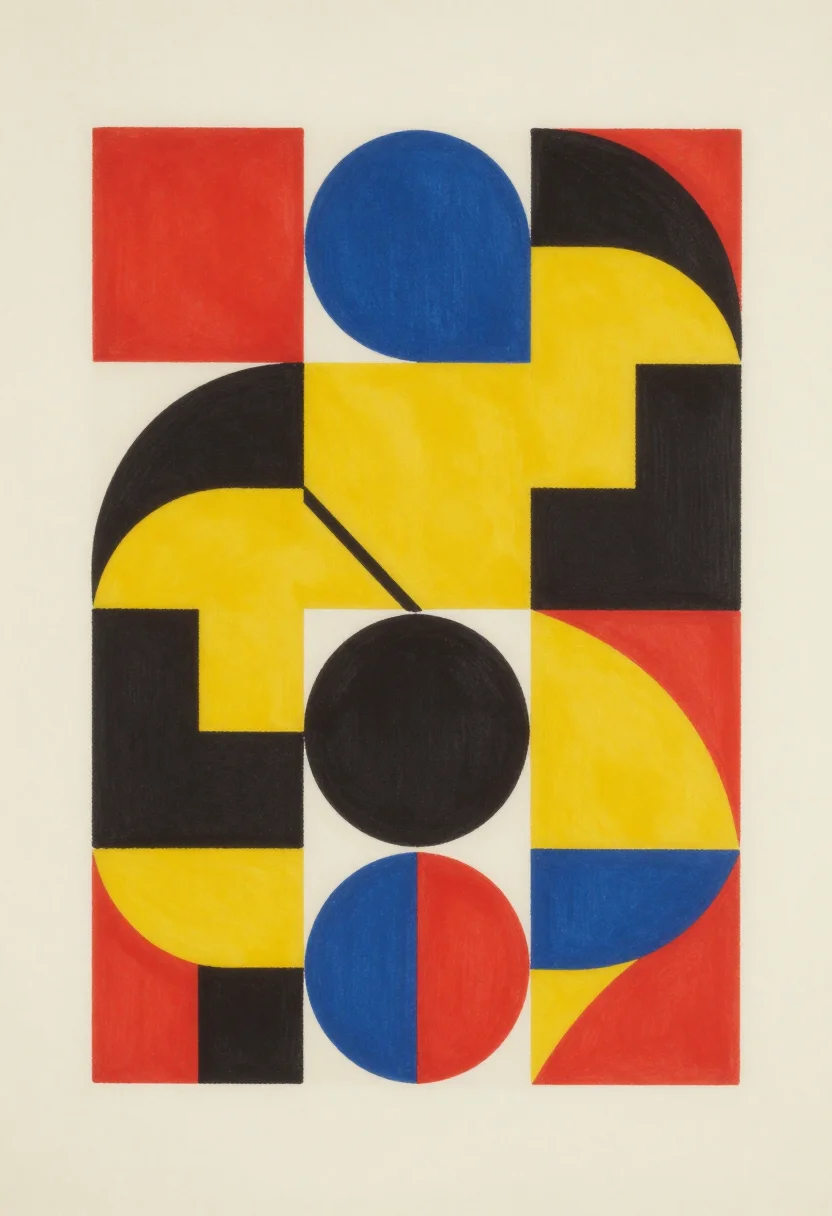
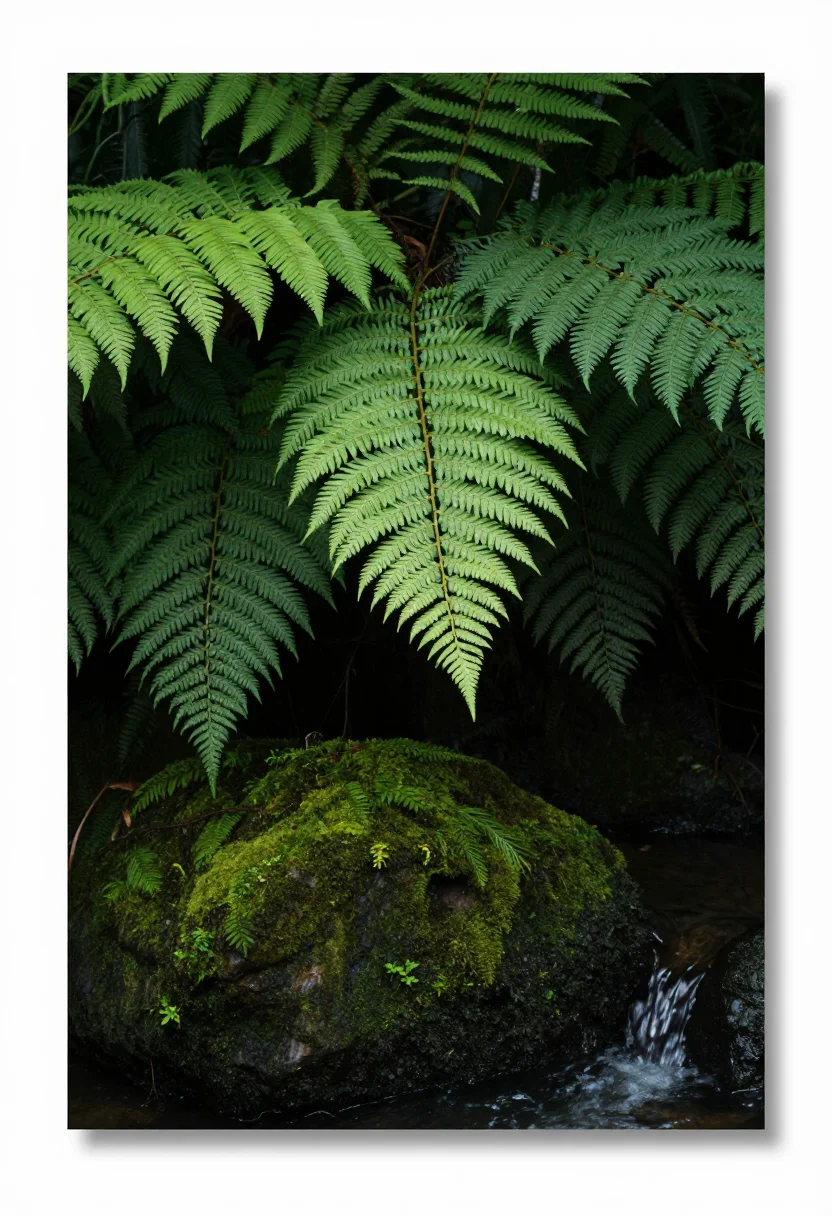
every sample — three subjects, three styles ↓
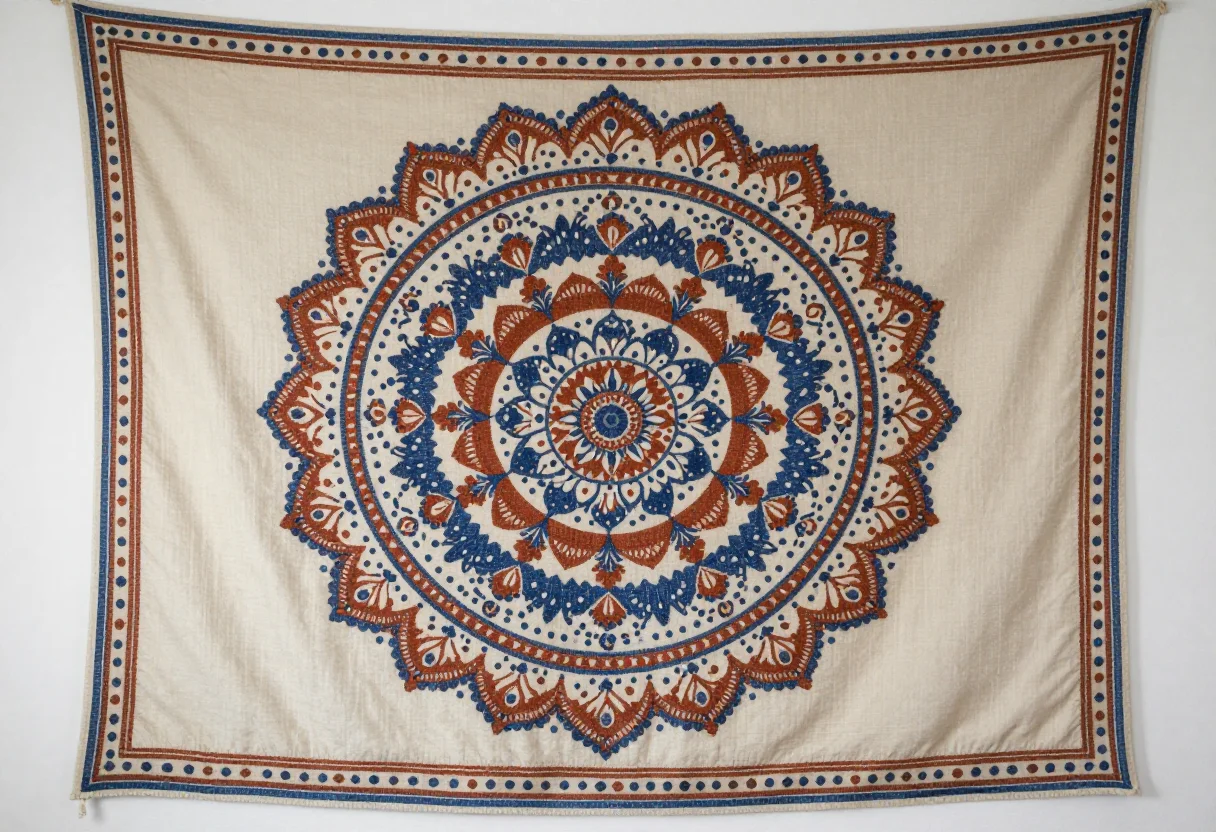
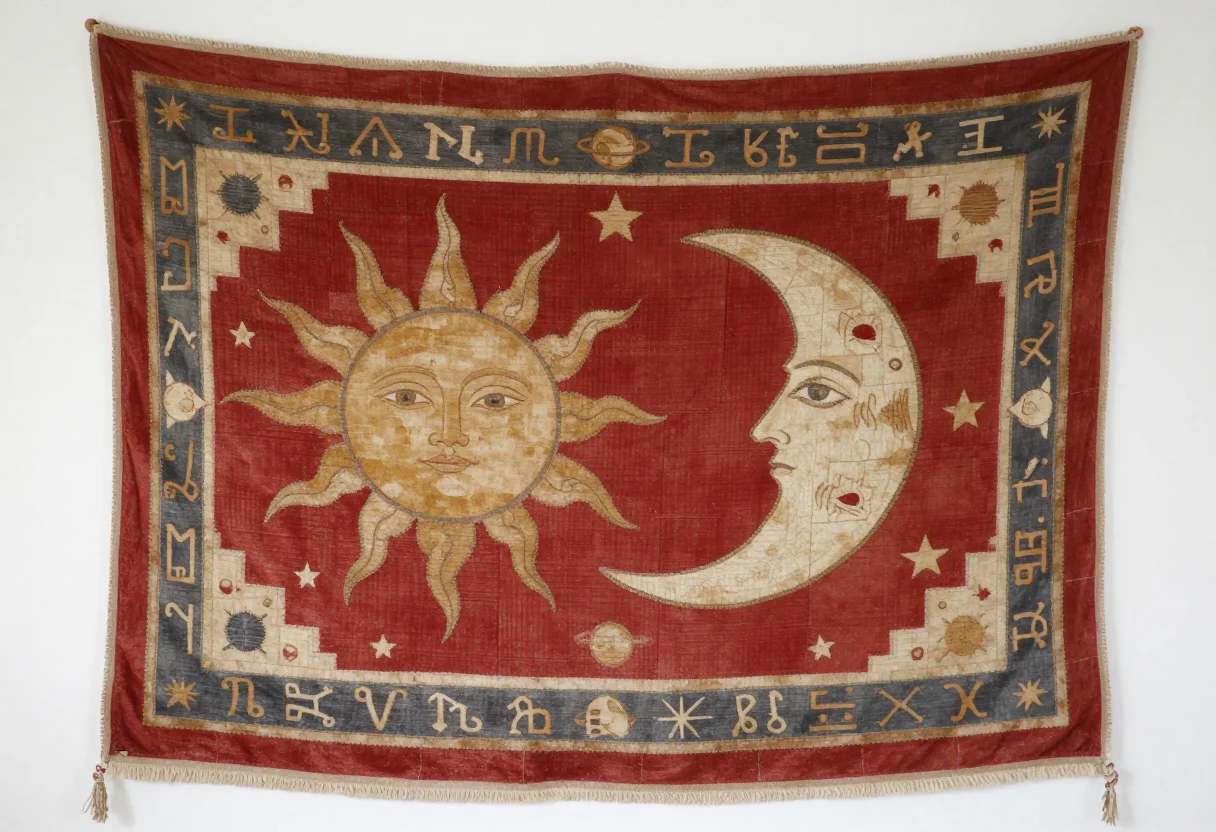
A wall tapestry is a print with drape and a wide format, and these nine cover the vertical's three standing motifs — a mandala medallion, a mountain-and-forest landscape, a sun-and-moon celestial pair — rendered as woven jacquard, printed polyester and vintage kilim weaving. Ask for a forest version or black and white, and the set redraws.
- a bedroom headboard wall
- a dorm room or studio apartment
- a boho living room accent
- a couch-back drape or picnic cloth
Frequently asked questions
- What size do these print at?
- Each tapestry is drawn in a wide format ready for a large wall; the exact print size depends on your printer's tapestry or fabric-panel options.
- Can I get a different motif?
- Yes — the direction field takes a request like 'a forest instead' or 'in black and white' and redraws all three motifs to match.
- What's the difference between the woven and printed treatments?
- The woven treatment shows a visible jacquard texture and slightly muted colour, close to an actual woven fabric; the printed treatment is crisper and brighter, closer to a printed polyester hanging.
- Is this an actual fabric product I receive?
- No — this is artwork sized and styled to look like a hung tapestry; printing it onto fabric is up to you and your printer.
About toile
This page is a showcase and a starting point: nine samples already rendered, three readings of the pack crossed with three styles, each shown at the size and ratio it was made for. Take any of them further on the wall with a few words, or ask for all nine again under your own direction; a sign-in keeps what you make, and it is free while Toile is new. The recipe behind each sample — the subject, the style, the palette, the framing — travels with the image rather than staying private to the render: it is in the alt text of every sample and in the page's own structured data, so a search engine reads the same handles a person would.