/watercolor-florals · pattern
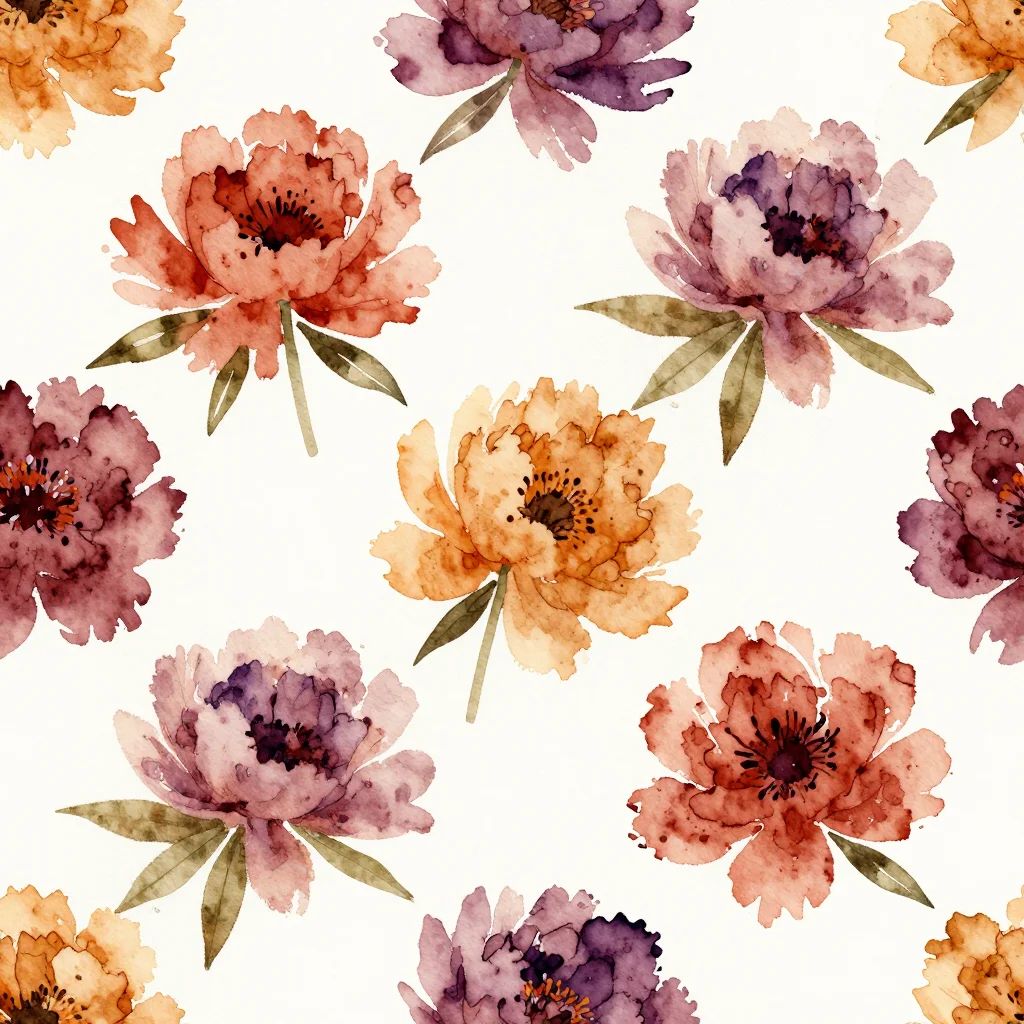
Watercolor floral print: bloom, spray, single stem

Make your ownWatercolor florals
Describe yours. We'll remake the whole pack your way.
More like this
the whole catalog →

every sample — three subjects, three styles ↓
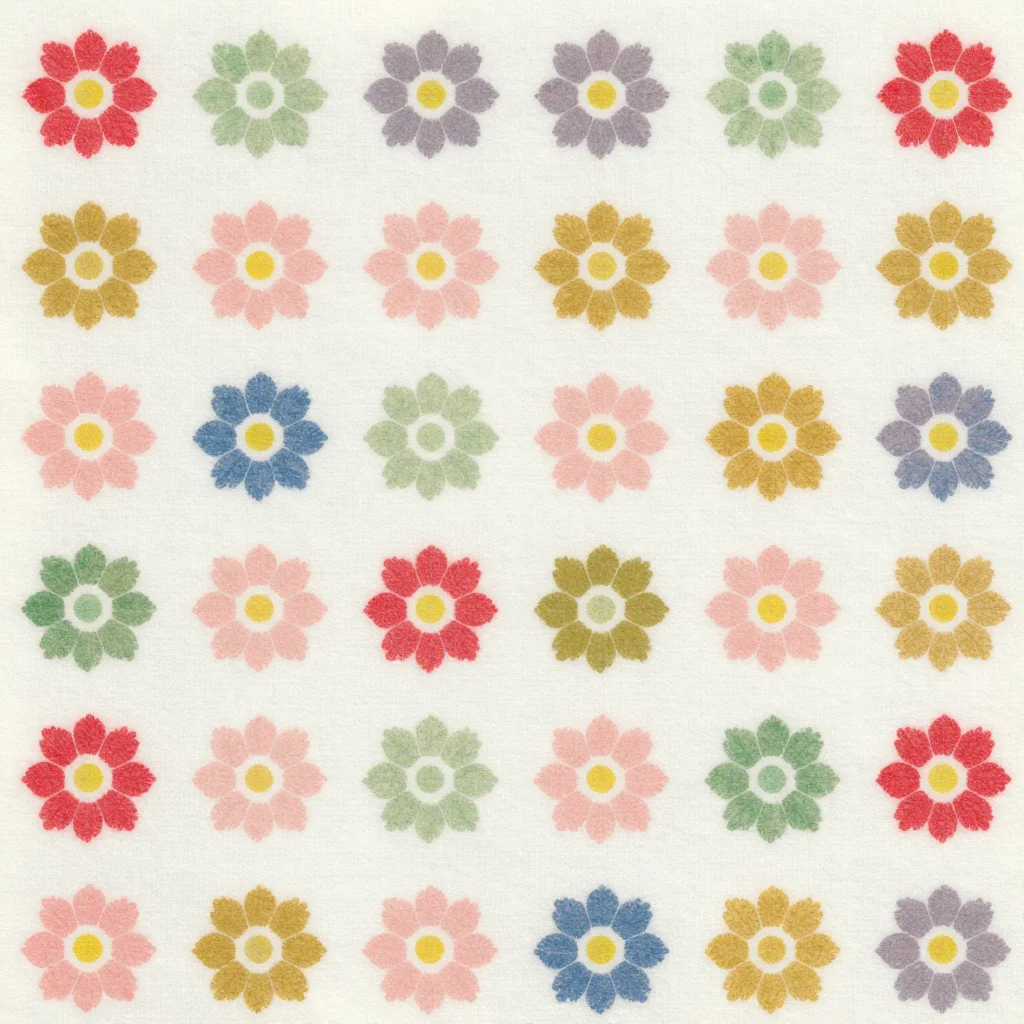
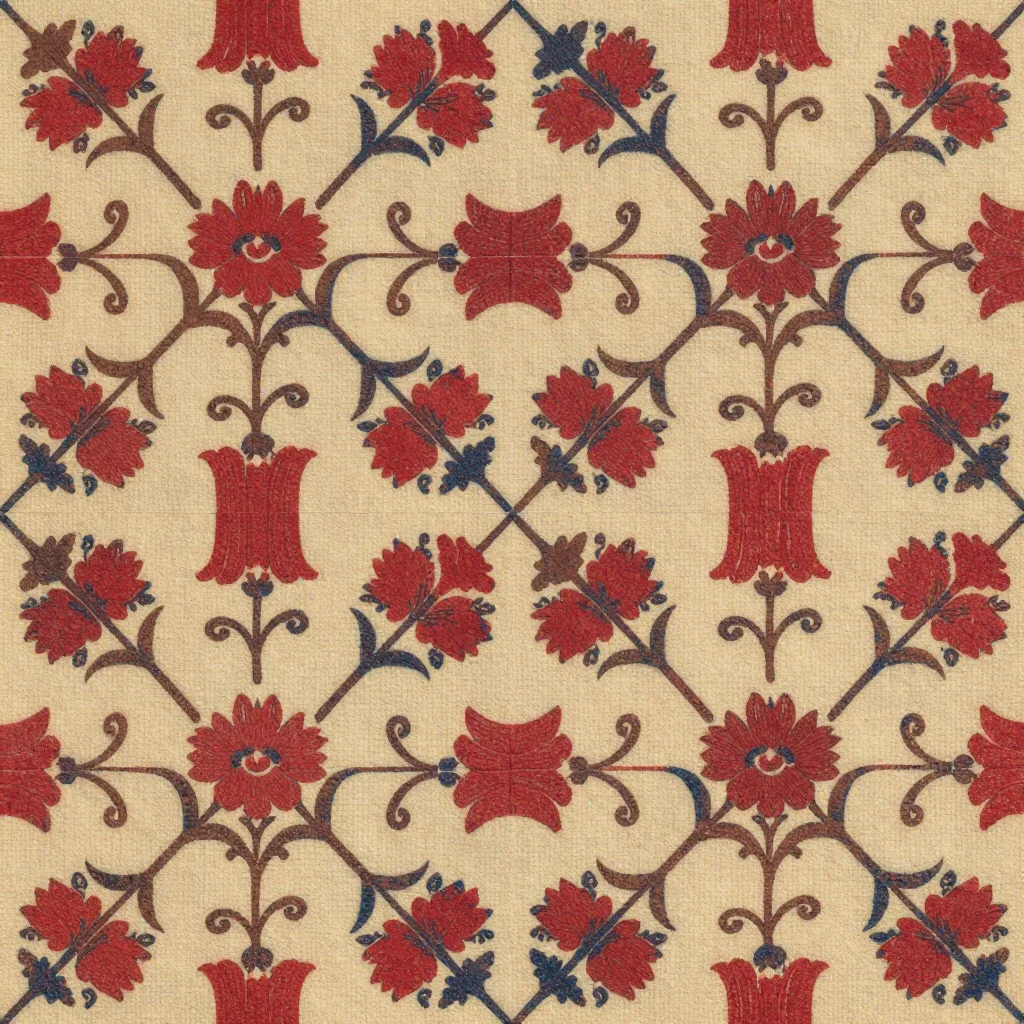
The watercolour floral sells because the edge is wet: a bloom laid down in two or three loaded strokes, pigment pooling darker where the brush stopped, nothing outlined, the paper's white left as the ground. These nine render a single bloom, a loose spray, and a single stem across three colourways. Ask for a different flower, like a peony, and the same three colourways carry it.
- a nursery or bedroom wall print
- a greetings card or invitation print
- a fabric or wallpaper swatch
- a gift wrap sheet
- a phone wallpaper
Frequently asked questions
- What size and format do these print at?
- Each pattern is a seamless square tile at even resolution, so it repeats cleanly on fabric, a wallpaper roll, or a printed card.
- Can I get a different flower, like a peony?
- Yes — the direction field takes any bloom, and the same three colourways render it.
- What's the difference between the three arrangements?
- Single bloom repeats one flower head with room around it, loose spray groups two or three stems together, and single stem follows one long stalk with leaves and bud.
- Is this a real painted watercolour or a digital effect?
- It's a generated print styled after real watercolour technique — the wet-edge bleed and unfilled paper ground — not a scan of an actual painting.
About toile
This page is a showcase and a starting point: nine samples already rendered, three readings of the pack crossed with three styles, each shown at the size and ratio it was made for. Take any of them further on the wall with a few words, or ask for all nine again under your own direction; a sign-in keeps what you make, and it is free while Toile is new. The recipe behind each sample — the subject, the style, the palette, the framing — travels with the image rather than staying private to the render: it is in the alt text of every sample and in the page's own structured data, so a search engine reads the same handles a person would.