/welcome-baby-cards · occasions
Welcome baby cards: for a girl, for a boy, for any baby
Make your ownWelcome baby cards
Describe yours. We'll remake the whole pack your way.
More like this
the whole catalog →
every sample — three subjects, three styles ↓
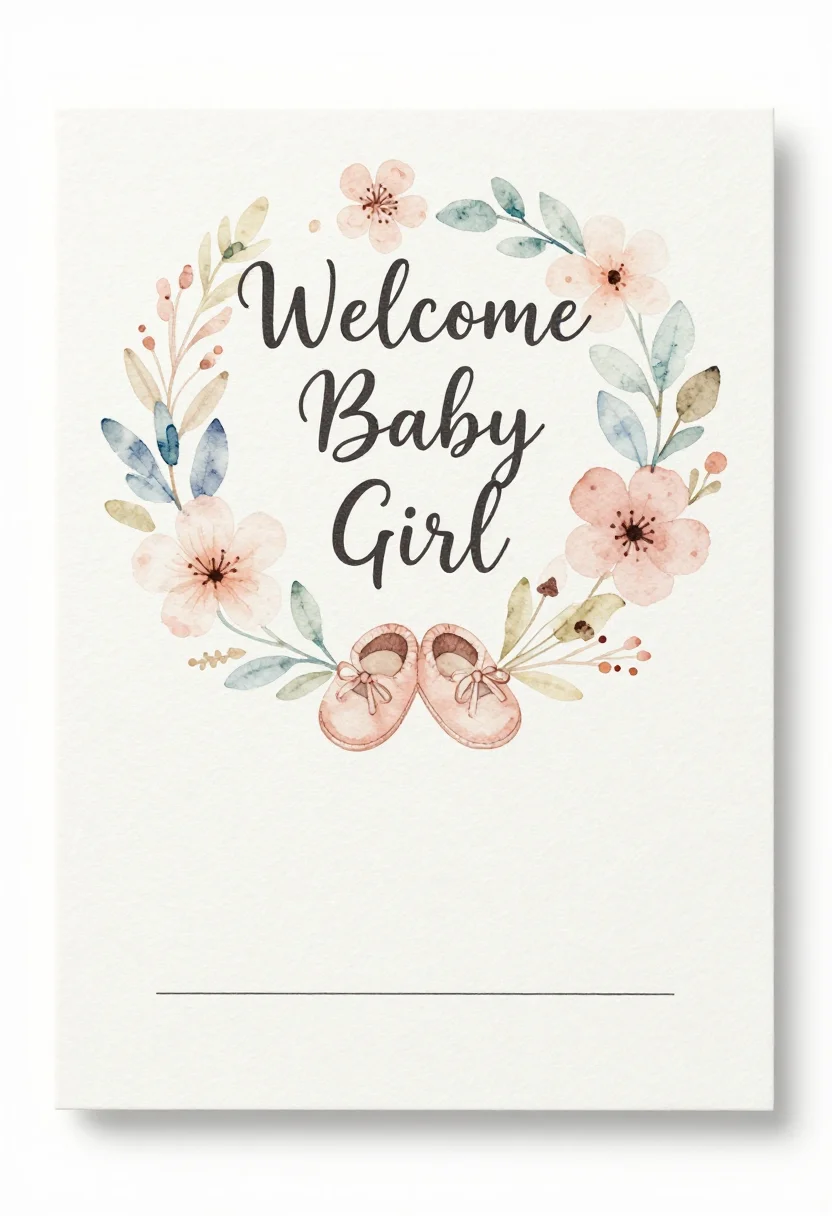
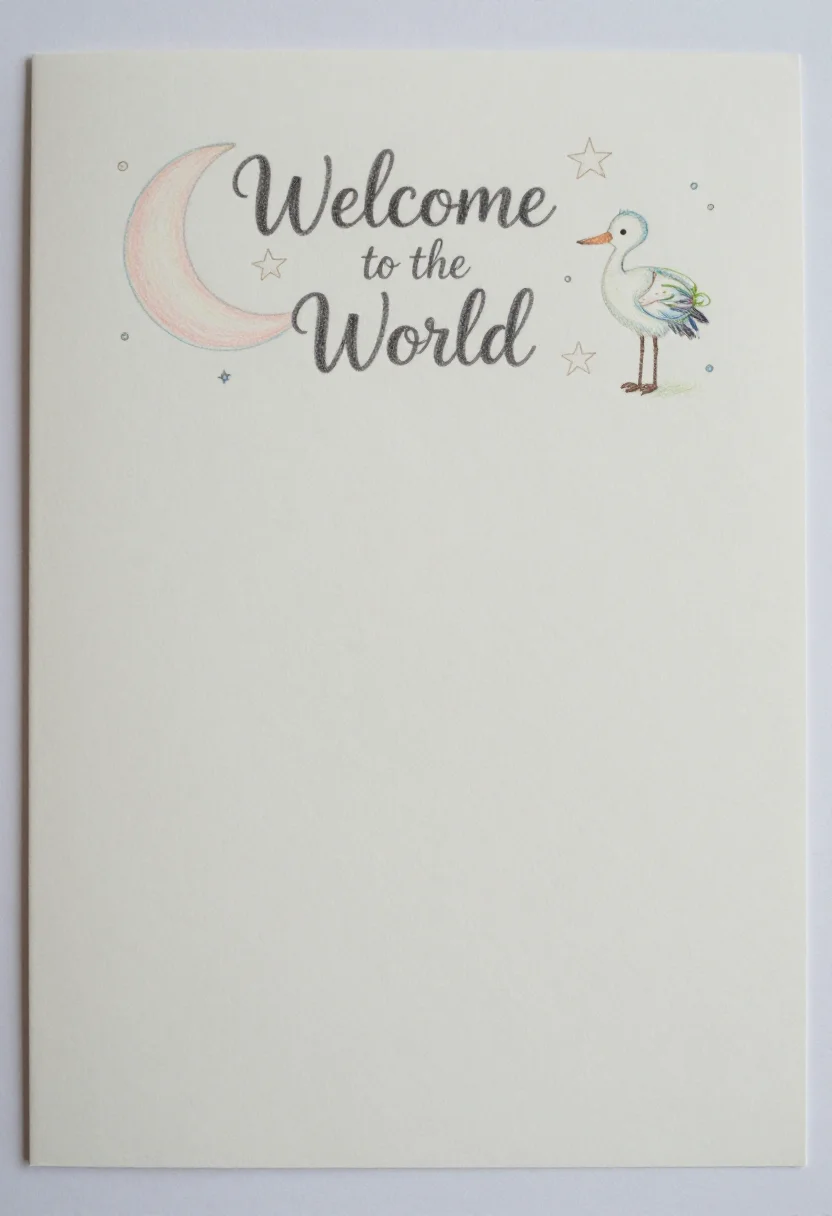
Family and friends give these to new parents, or parents send them to announce a birth. Each card front is soft and carries a welcome line: Welcome Baby Girl over blush florals, Welcome Baby Boy over a bear on a cloud, or Welcome to the World under a crescent moon. The nine samples are three fronts in three finishes. Type a look, such as twins or neutral sage, and the layout takes it.
- a card for new parents in hospital
- an announcement card for family and friends
- a card for a baby girl or a baby boy
- a card for twins, with the direction typed in
Frequently asked questions
- Which cards are for a girl or a boy?
- Welcome Baby Girl over blush florals and Welcome Baby Boy over a bear on a cloud. Welcome to the World is for any baby.
- Is there room for the baby's name?
- Yes. Each card leaves a space for the name and a message.
- What is the difference between the finishes?
- Watercolor uses soft blush, pale blue and cream washes, flat vector uses pastel pink, sky blue and yellow, and pencil and wash is a fine colored-pencil drawing on cream paper.
- Can I ask for twins?
- Yes. Type a direction such as twins or rainbow baby as a request; the samples show the three fronts, and a request is not a promised result.
About toile
This page is a showcase and a starting point: nine samples already rendered, three readings of the pack crossed with three styles, each shown at the size and ratio it was made for. Take any of them further on the wall with a few words, or ask for all nine again under your own direction; a sign-in keeps what you make, and it is free while Toile is new. The recipe behind each sample — the subject, the style, the palette, the framing — travels with the image rather than staying private to the render: it is in the alt text of every sample and in the page's own structured data, so a search engine reads the same handles a person would.