/90s-album-covers · illustration
90s album covers: grunge collage, trip-hop underwater, acid rave

Make your own90s album covers
Describe yours. We'll remake the whole pack your way.
More like this
the whole catalog →

every sample — three subjects, three styles ↓
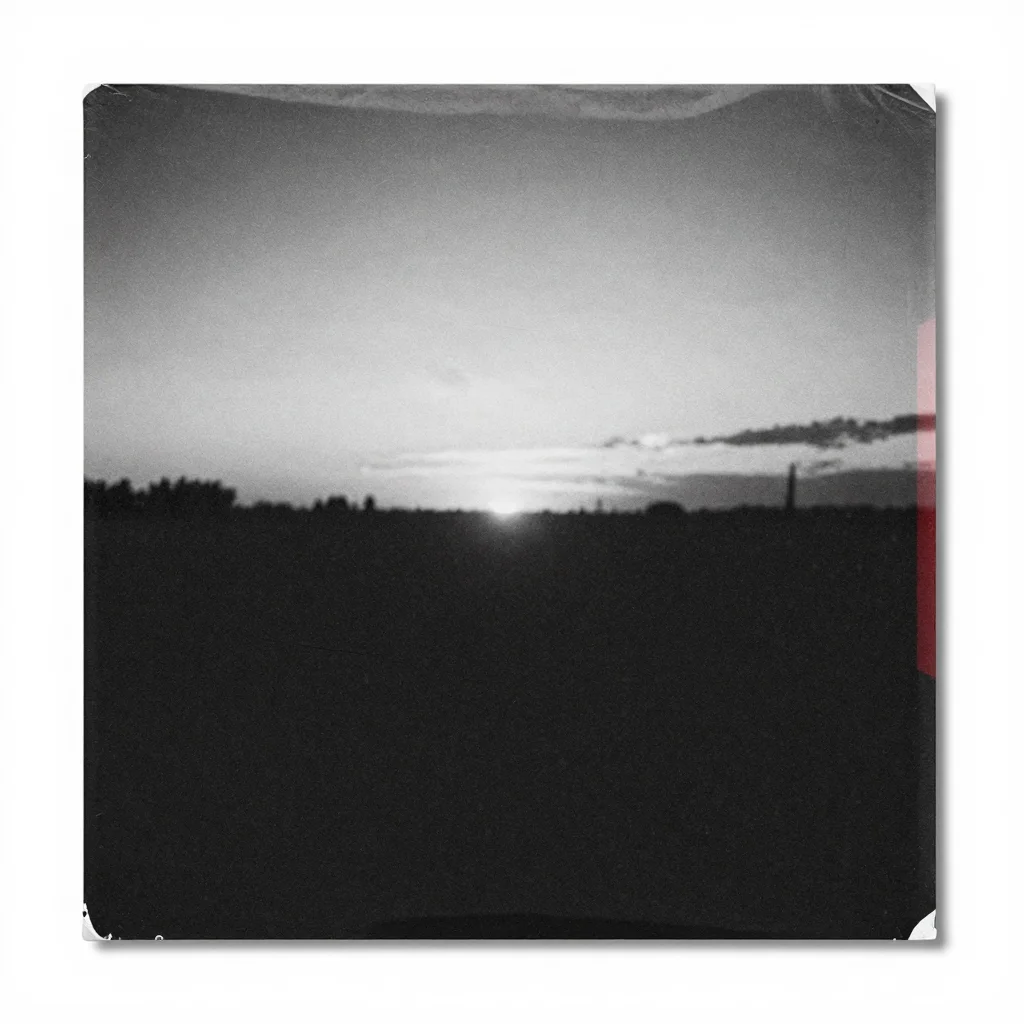
Cover art with the grain of a nineties CD: a blurry, overexposed field at dusk with scratches and a light leak for grunge; a single glowing jellyfish in deep blue water for trip-hop; and swirling acid yellow and electric blue fractals with a strobing burst for rave. Each comes as a high-contrast photocopy, a glossy digital cover or a grainy film photo look. Type a different subject or twist, such as a cat, and the finishes carry it.
- a cover for a nineties-style mix
- a poster for a club or rave night
- a playlist cover
- a print for a bedroom wall
Frequently asked questions
- What are the three covers?
- A grunge photo of a field at dusk, a trip-hop jellyfish in deep blue water, and an acid rave fractal with a light burst.
- How do the three finishes differ?
- Photocopy is high-contrast with coarse grain and torn paper edges. Digital gloss has soft gradients, lens glows and early-web effects. Film photo has faded colors, soft focus and uneven exposure.
- Can I change the subject?
- Yes. Type a twist such as a cat or night city and the finishes carry it. The result is a request, so it may differ from the samples.
- Are these real CD covers?
- No. The designs are new and made in the look of nineties CD covers.
About toile
This page is a showcase and a starting point: nine samples already rendered, three readings of the pack crossed with three styles, each shown at the size and ratio it was made for. Take any of them further on the wall with a few words, or ask for all nine again under your own direction; a sign-in keeps what you make, and it is free while Toile is new. The recipe behind each sample — the subject, the style, the palette, the framing — travels with the image rather than staying private to the render: it is in the alt text of every sample and in the page's own structured data, so a search engine reads the same handles a person would.