/lying-pose-references · illustration
Lying pose reference: on the back, on the side, on the stomach
Make your ownLying pose references
Describe yours. We'll remake the whole pack your way.
More like this
the whole catalog →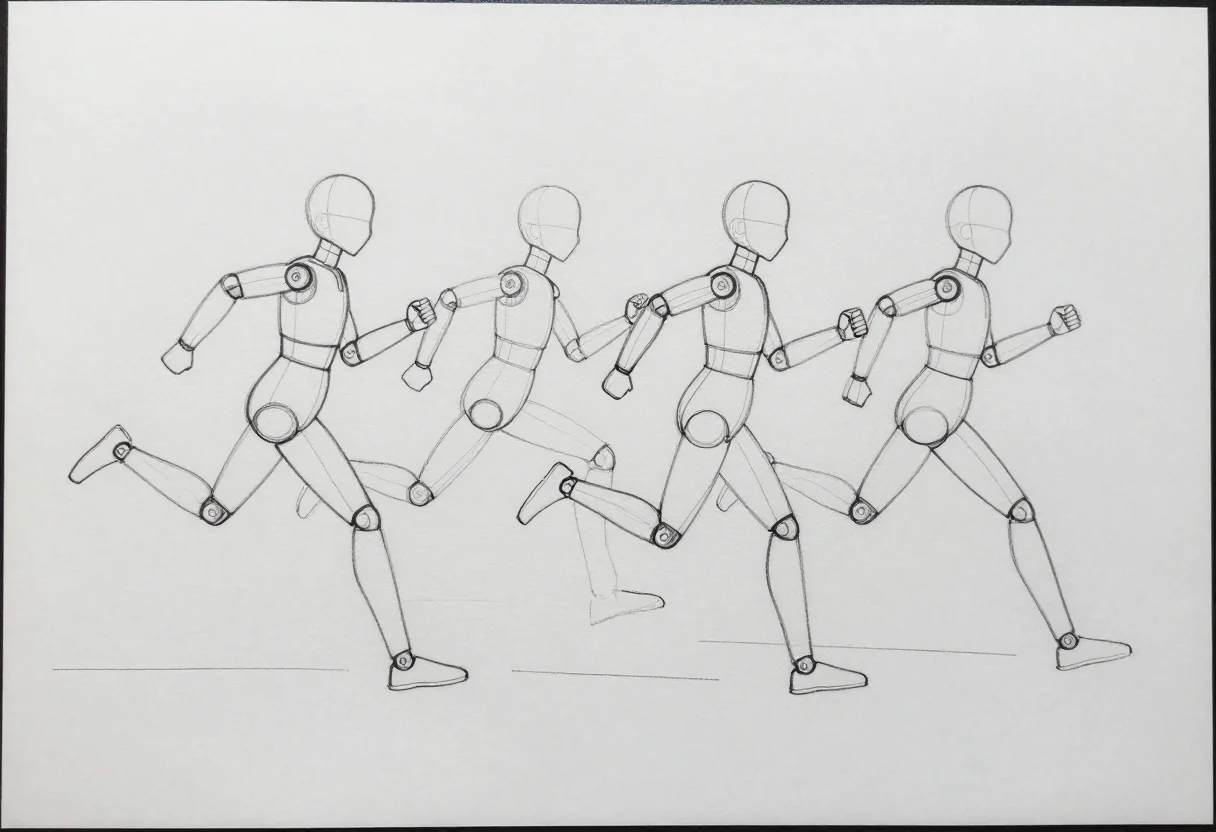
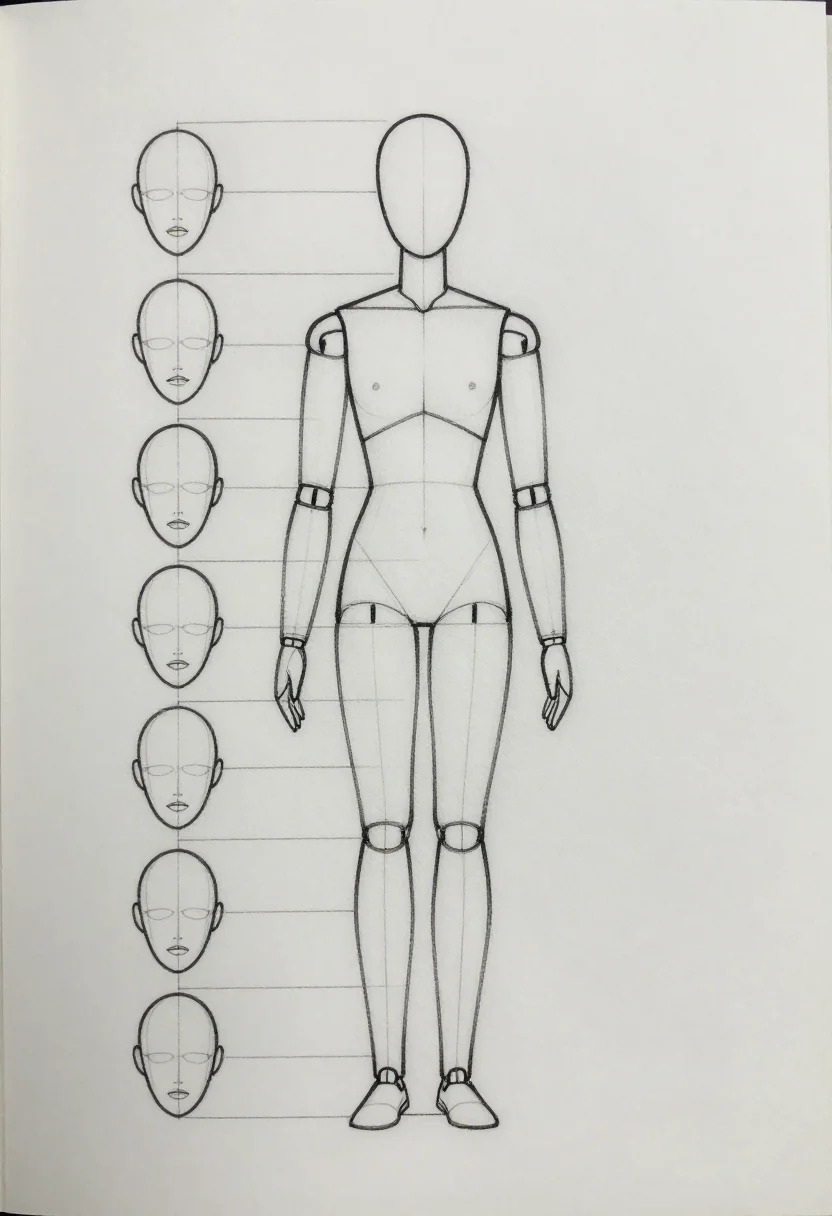

every sample — three subjects, three styles ↓
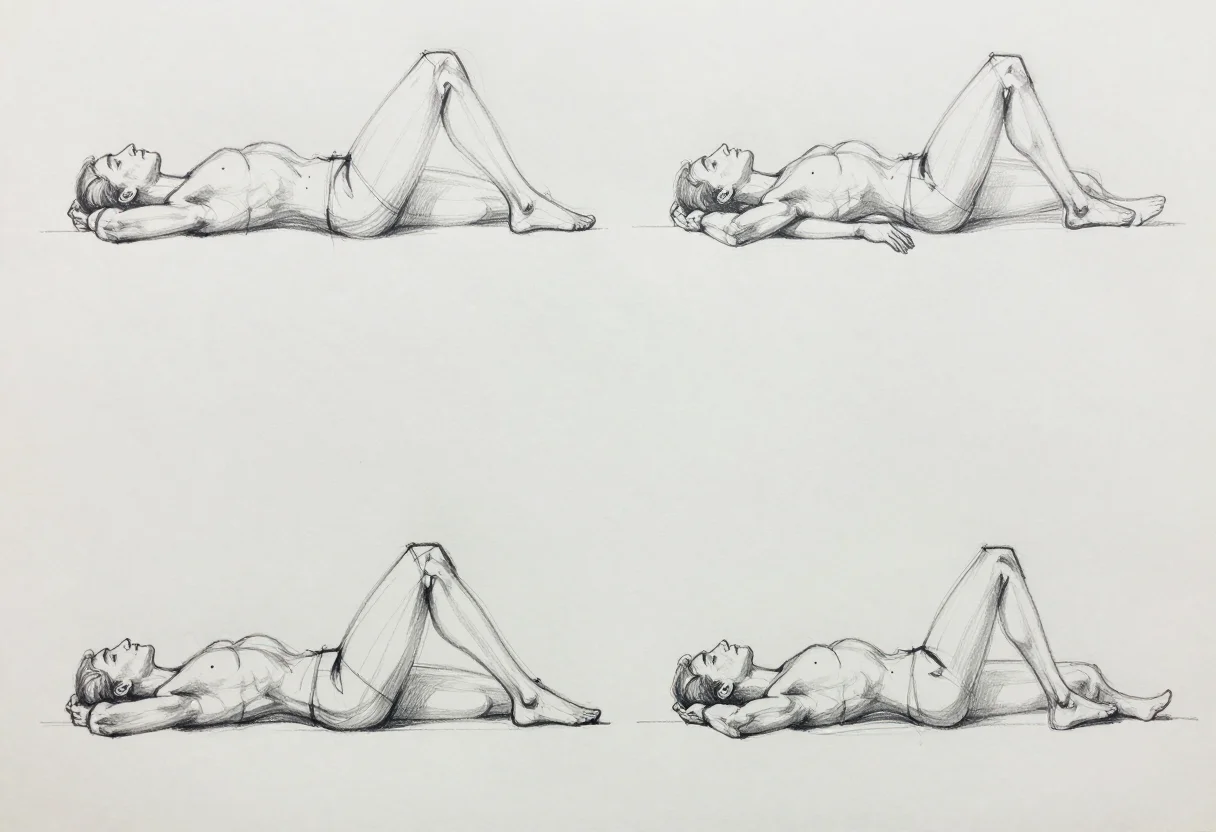
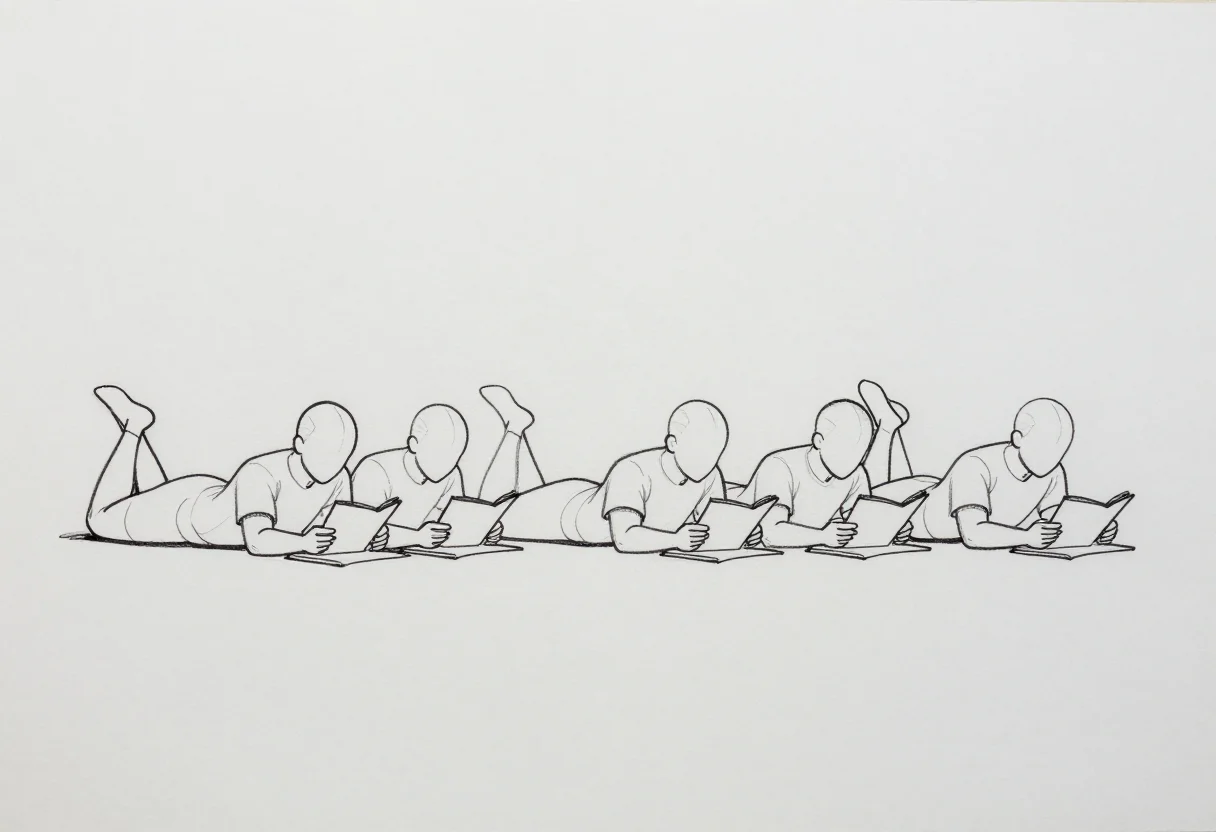
A figure that is not upright is hard to place on the page, and most references stand the figure up. These sheets show people lying on their back with the arms behind the head, on their side with the head on one arm, and on their stomach propped on the elbows. Each row comes in gesture, graphite, and clean contour. Type a different lying pose, such as on a sofa or sleeping, and the same rows carry it.
- a figure drawing practice page
- a reference for a character resting on a bed or floor
- a study for a foreshortened body
- a sketchbook page on the lying figure
Frequently asked questions
- What poses are shown?
- Figures lying on the back, on the side and on the stomach, each in a row of three views.
- What is the difference between the three styles?
- Gesture is a loose sketch that keeps the movement, graphite has soft shading in the hollows, and clean contour is outlines only with no shading.
- Are these photographs?
- No. Each row is a flat drawing on a plain ground line with no furniture.
- Can I ask for a different lying pose?
- Yes. Type a direction such as sleeping or in a dress, and it is a request for that, not a promised result.
About toile
This page is a showcase and a starting point: nine samples already rendered, three readings of the pack crossed with three styles, each shown at the size and ratio it was made for. Take any of them further on the wall with a few words, or ask for all nine again under your own direction; a sign-in keeps what you make, and it is free while Toile is new. The recipe behind each sample — the subject, the style, the palette, the framing — travels with the image rather than staying private to the render: it is in the alt text of every sample and in the page's own structured data, so a search engine reads the same handles a person would.