/acrylic · style
Acrylic painting ideas: a palette-knife landscape, a fluid pour and a flat-brush floral

Make your ownAcrylic
Describe yours. We'll remake the whole pack your way.
More like this
the whole catalog →
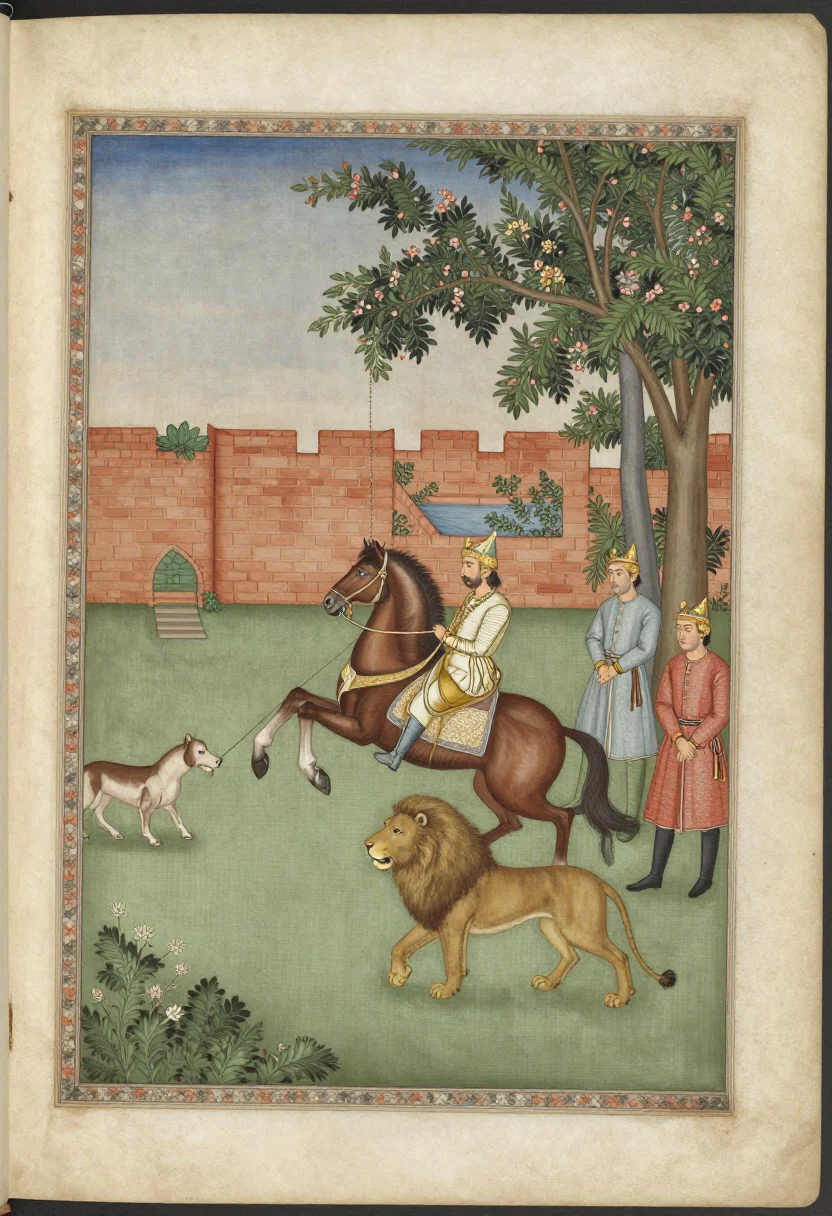
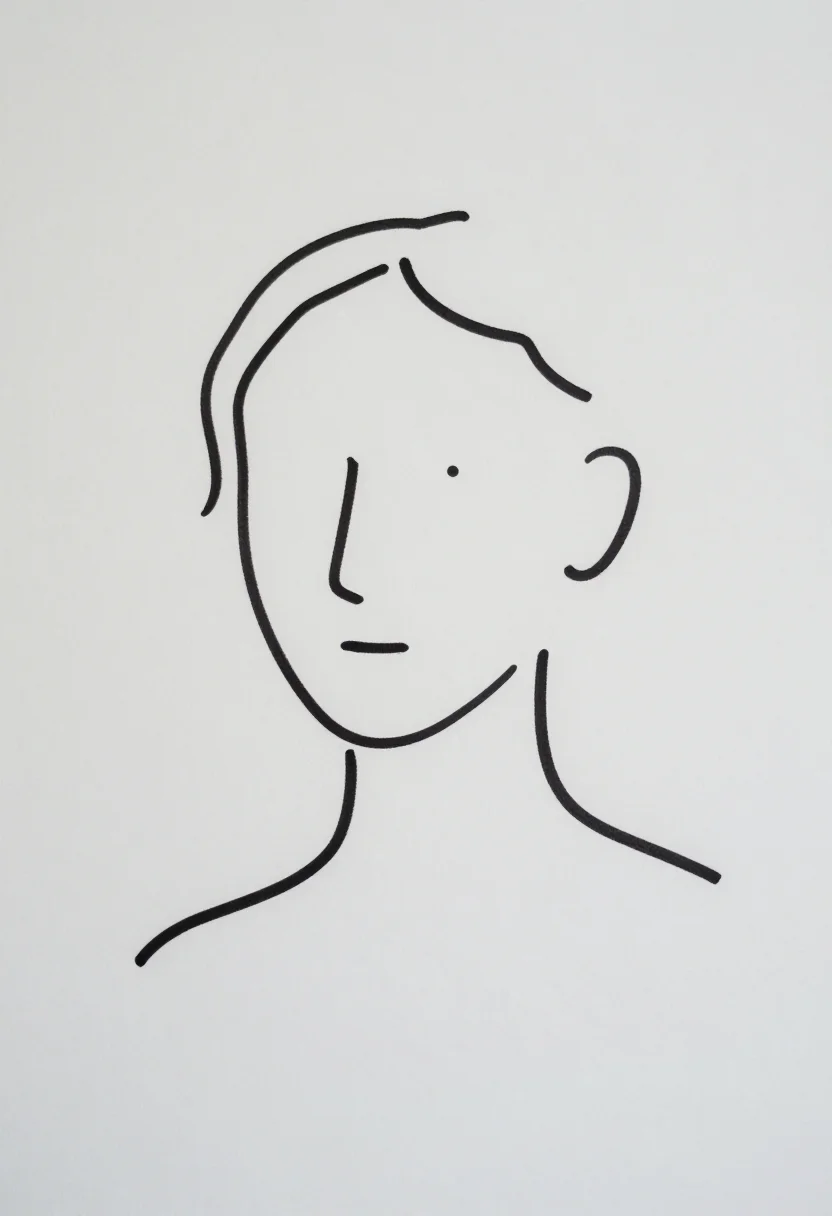
every sample — three subjects, three styles ↓
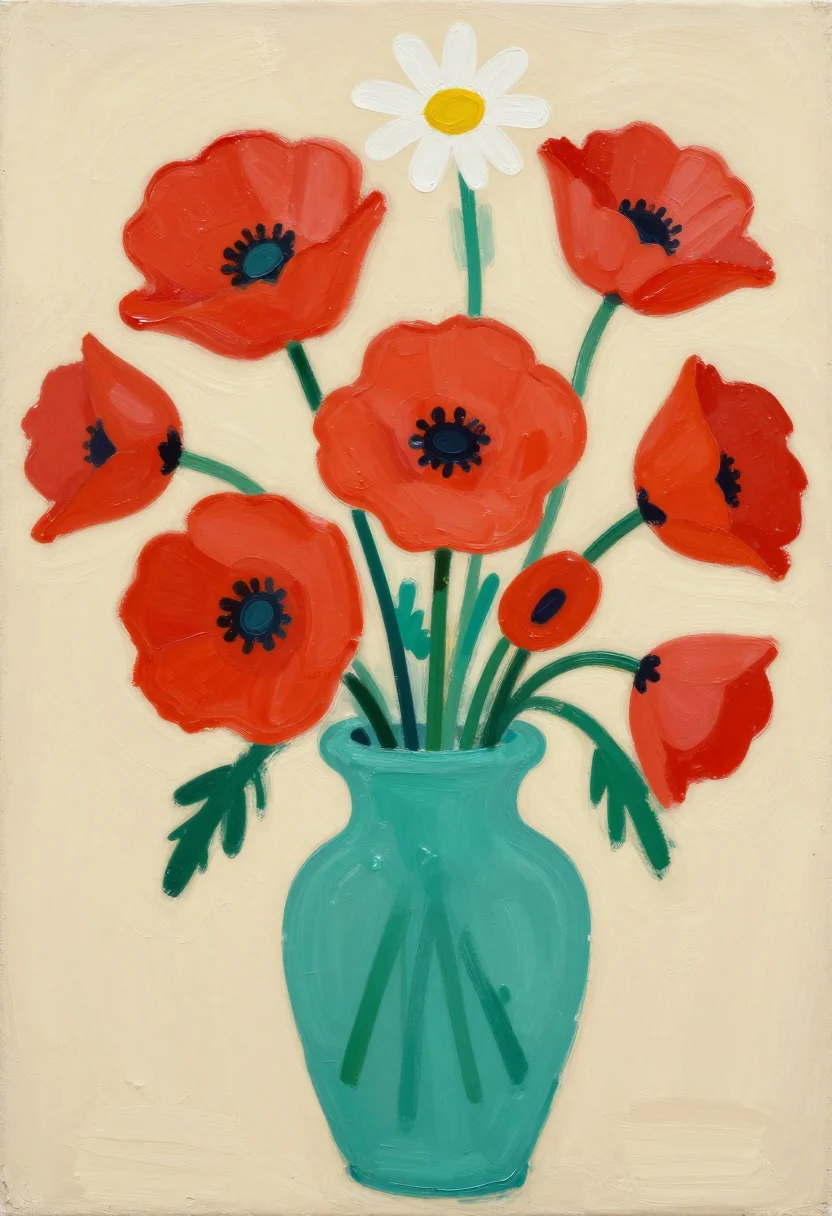
Acrylic is the medium every beginner's tutorial uses: opaque, fast-drying, ridged under a palette knife or poured in flowing cells. These nine render a mountain-lake landscape, a fluid abstract pour and a loose floral bouquet, each with the technique that made it. Ask for a cactus or a night city instead and the same three techniques redraw it.
- a wall print for a living room or bedroom
- a reference for learning acrylic technique
- a gift for a painter or hobbyist
- a set of three for a gallery-style wall
Frequently asked questions
- What size do these print at?
- Each image is drawn in portrait format (832×1216) with an even margin — prints clean on A4 held vertically.
- Can I use my own subject instead of the three shown?
- Yes — the direction field takes your own idea, such as a cactus or a night city, and the same three techniques draw it.
- What's the difference between the three techniques?
- Impasto is thick palette-knife ridges with real texture; fluid is a poured, marbled look with cells and lacing; flat brush is bold, opaque strokes with visible drag.
- Are these real acrylic-painting techniques?
- Yes — knife, pour and flat brush are genuine acrylic painting methods, rendered here as images rather than photographed from an actual canvas.
About toile
This page is a showcase and a starting point: nine samples already rendered, three readings of the pack crossed with three styles, each shown at the size and ratio it was made for. Take any of them further on the wall with a few words, or ask for all nine again under your own direction; a sign-in keeps what you make, and it is free while Toile is new. The recipe behind each sample — the subject, the style, the palette, the framing — travels with the image rather than staying private to the render: it is in the alt text of every sample and in the page's own structured data, so a search engine reads the same handles a person would.