/ankle-tattoos · tattoo
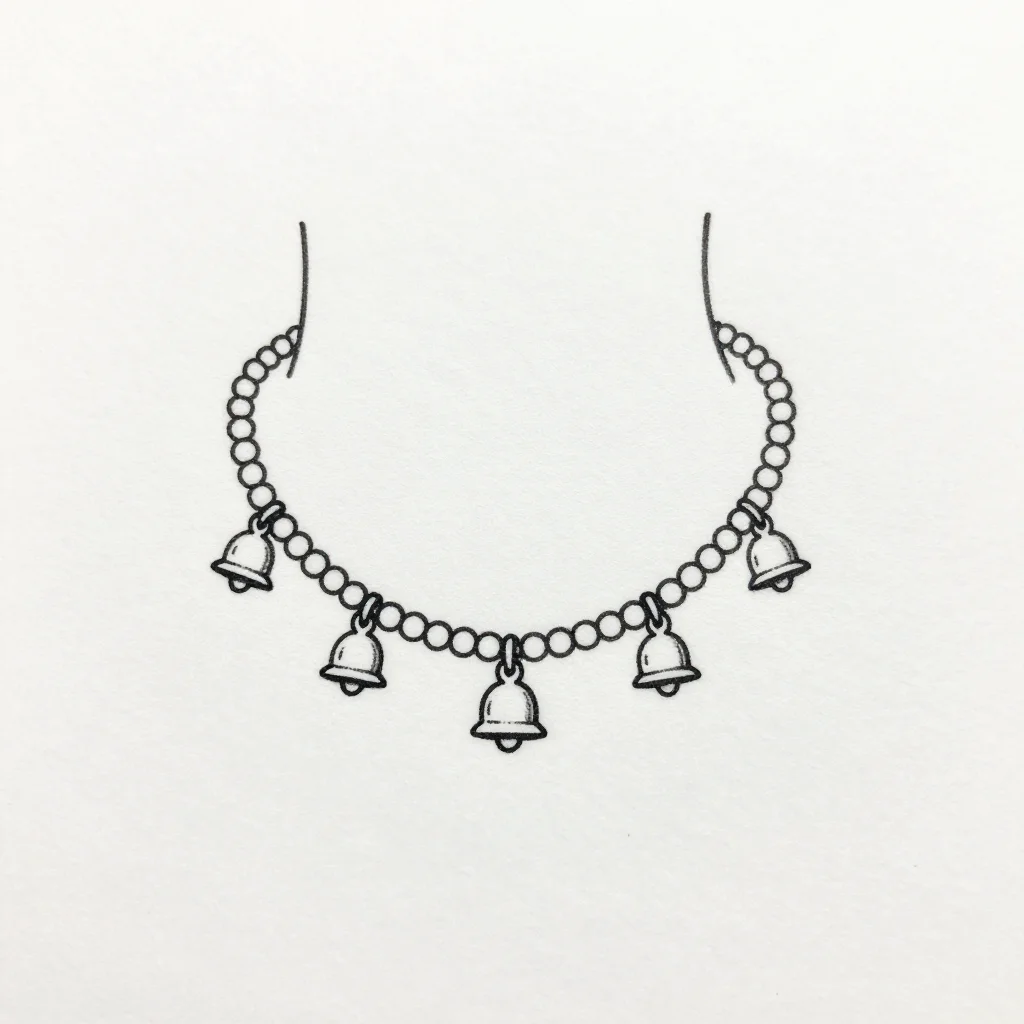
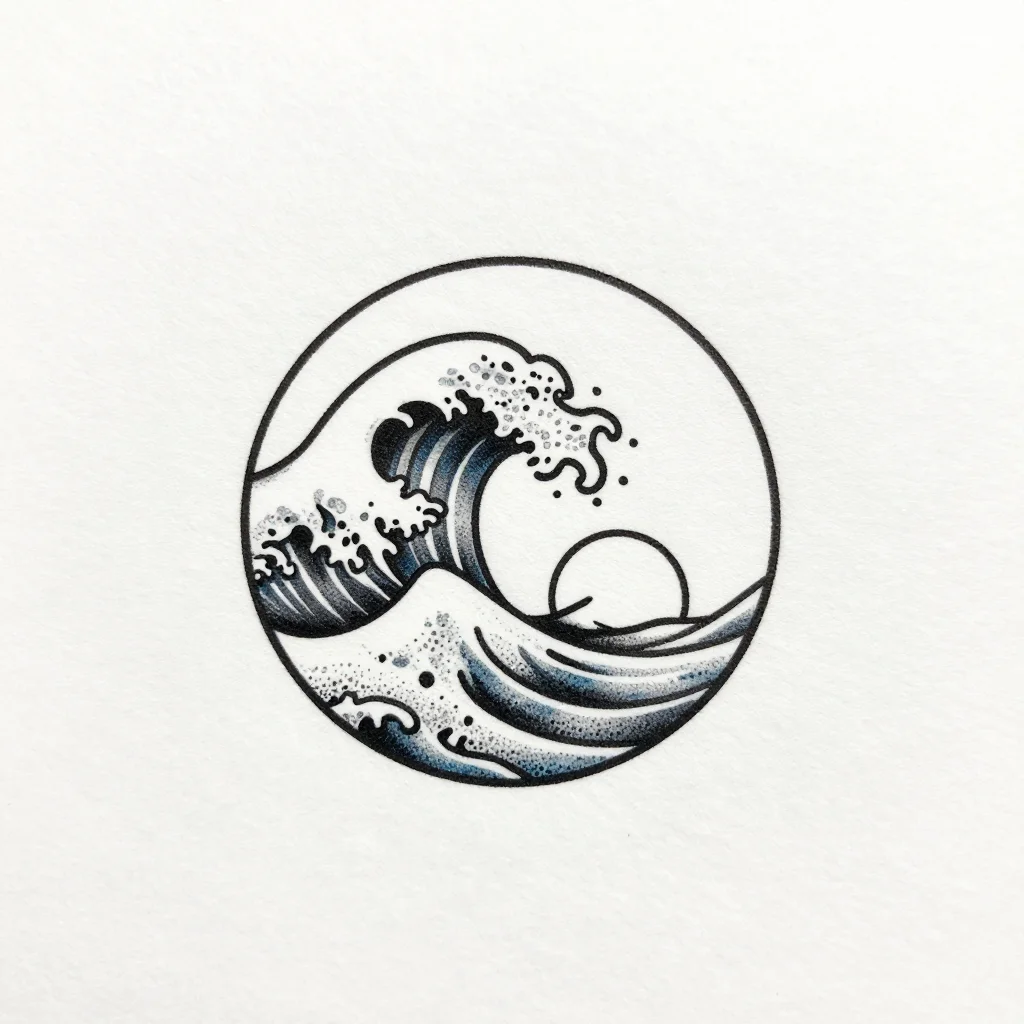
Ankle tattoo designs: payal-style anklet, flower vine, small wave
Make your ownAnkle tattoos
Describe yours. We'll remake the whole pack your way.
More like this
the whole catalog →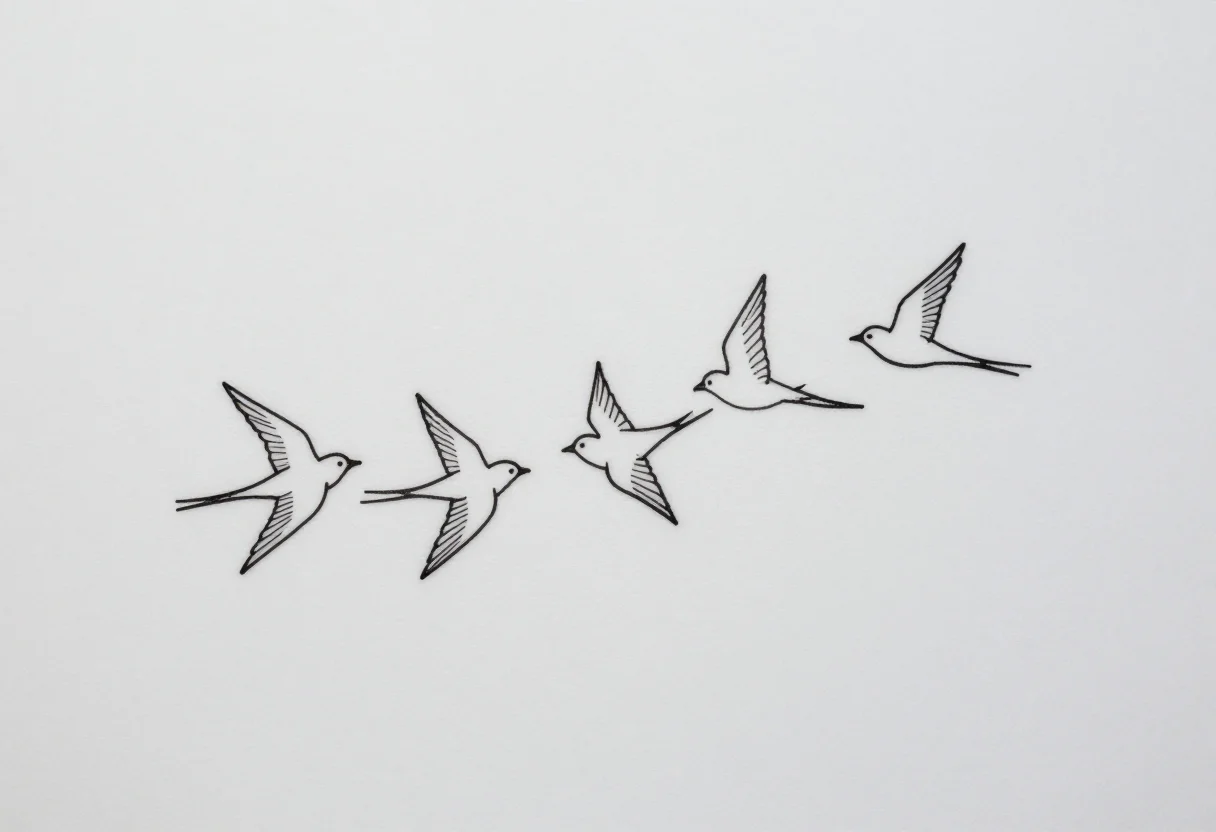
every sample — three subjects, three styles ↓
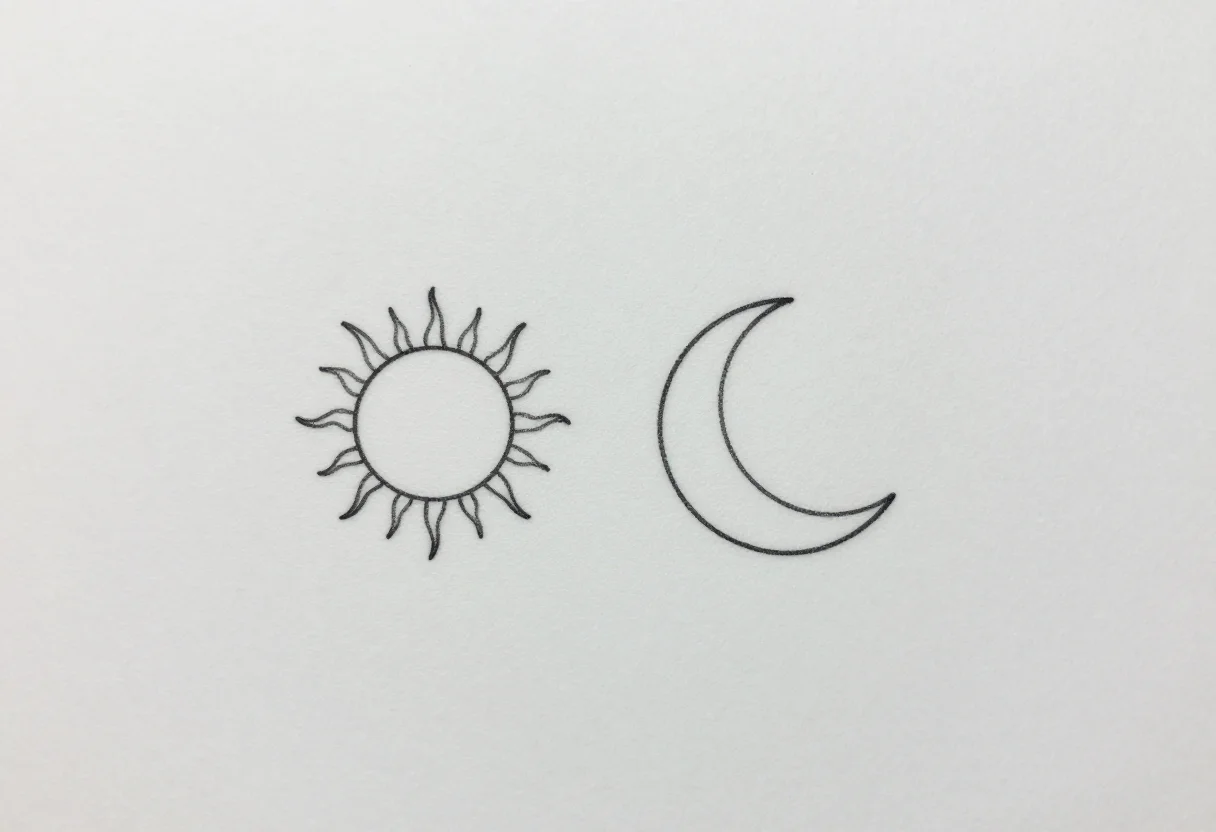
Designs for the ankle, either wrapping round it or sitting on the ankle bone. Three subjects, each in three styles: a payal-style anklet of small beads and tiny bells; a thin vine with two tiny flowers curling in a loop; and a curling wave inside a small circle, with a sun above the water line. Each is a flat drawing on white paper. Type a different subject and the same styles carry it.
- a reference for a tattoo artist
- a small design to compare with a wrist or ear piece
- a sketch to trace by hand
- a set of ideas for a first small piece
Frequently asked questions
- Are these shown on an ankle?
- No. Each design is a flat drawing on white paper, with no skin or leg in the picture.
- What is the difference between the three styles?
- Fine line is one thin, even stroke with no shading. Bold line has thick black outlines and solid black fills. Dotwork is a thin outline with shading built from dots.
- Can I ask for a different subject?
- Yes. Type the subject you want, such as a butterfly, and the design keeps the small ankle-sized shape and the same three styles.
- How big should the design be?
- These are drawings with no scale on a body. Your tattoo artist sizes the piece to your ankle.
- Are the designs in colour?
- No. Every design is black ink on white paper.
About toile
This page is a showcase and a starting point: nine samples already rendered, three readings of the pack crossed with three styles, each shown at the size and ratio it was made for. Take any of them further on the wall with a few words, or ask for all nine again under your own direction; a sign-in keeps what you make, and it is free while Toile is new. The recipe behind each sample — the subject, the style, the palette, the framing — travels with the image rather than staying private to the render: it is in the alt text of every sample and in the page's own structured data, so a search engine reads the same handles a person would.