/appointment-cards · shopfront
Appointment cards: next appointment, reminder and combo card
Make your ownAppointment cards
Describe yours. We'll remake the whole pack your way.
More like this
the whole catalog →
every sample — three subjects, three styles ↓
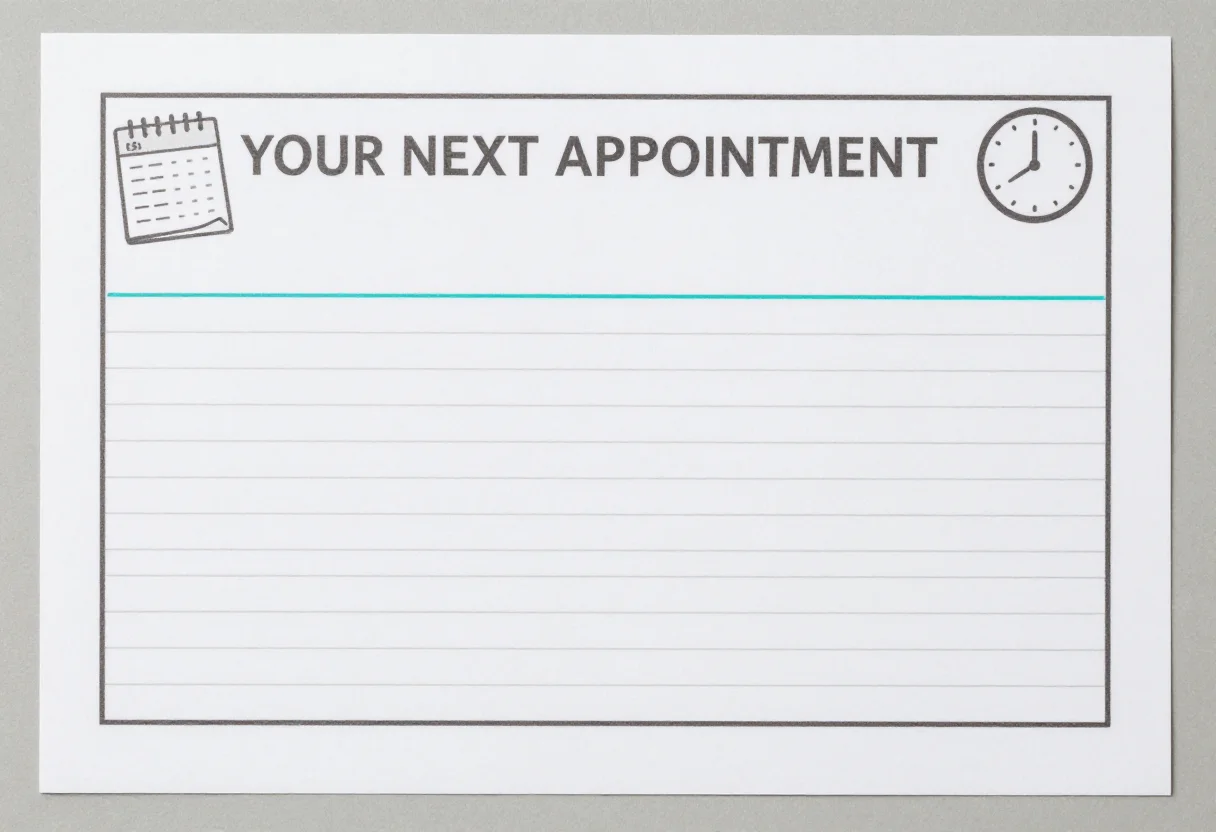
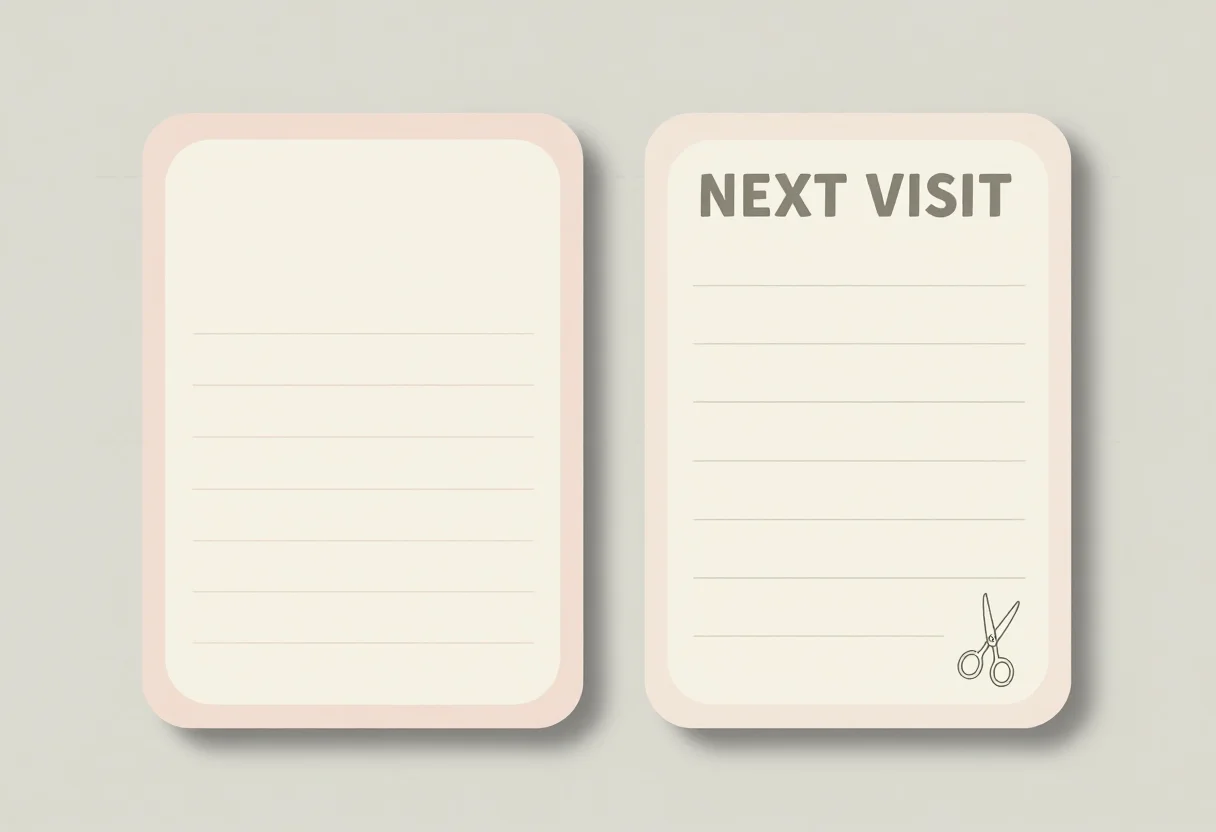
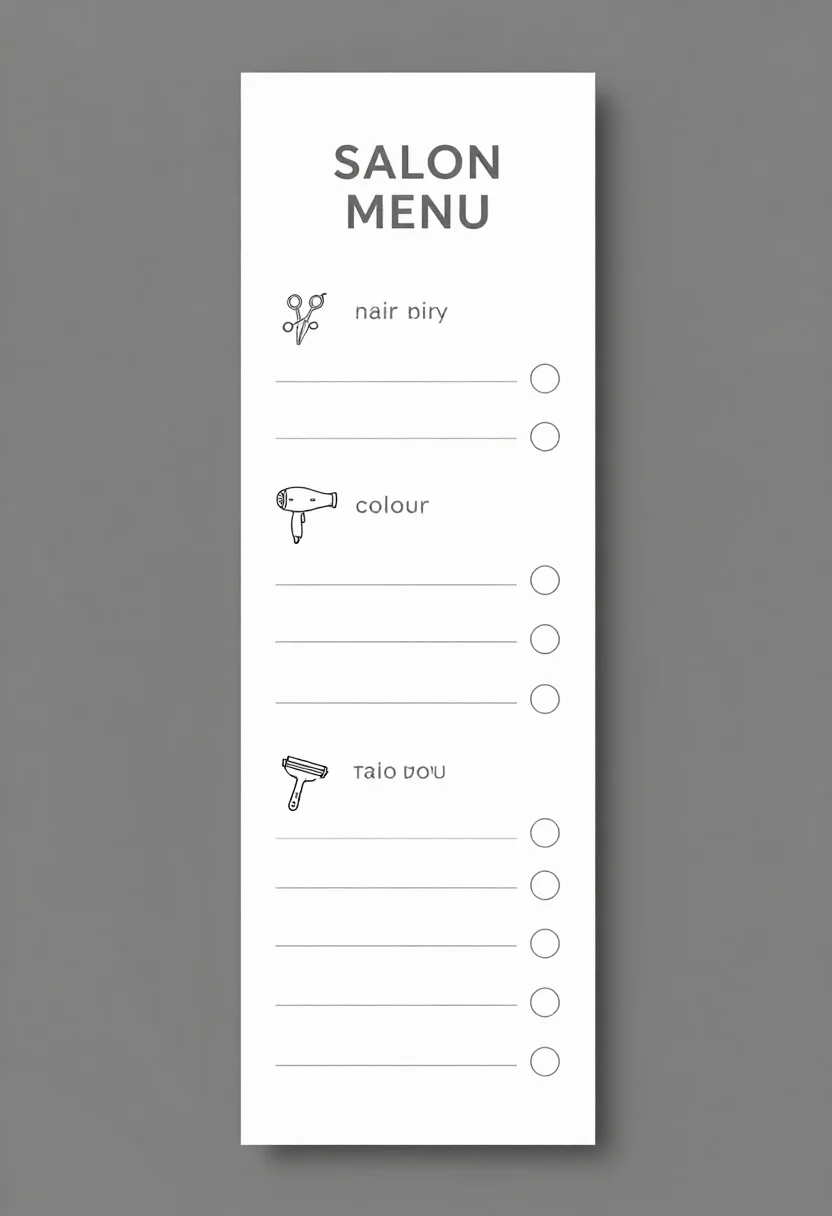
The card handed over at the desk holds the next booking — a next-appointment card with a blank date and time grid, a reminder card with a drawn calendar, a business-card-and-appointment combo — and these nine draw all three in minimal, luxe and pastel, with names and times left blank. Ask for a different trade and the set redraws.
- a salon front desk
- a dental or clinic reception
- a therapist's booking card
- a tattoo studio appointment slip
- a beautician's client card
Frequently asked questions
- What size do these print at?
- Each card is drawn at a standard business-card ratio, so it prints and cuts clean at that size.
- Is the date already written on the card?
- No — the date, time and name lines are left blank, so the desk fills them in for each client.
- Can I get a different trade, like a dentist or therapist?
- Yes — the direction field takes a request like 'a dental clinic version' and redraws all three cards.
- What's the difference between the reminder and combo cards?
- The reminder card is a standalone calendar-and-bell design, the combo card pairs a business-card side with an appointment-slip side.
About toile
This page is a showcase and a starting point: nine samples already rendered, three readings of the pack crossed with three styles, each shown at the size and ratio it was made for. Take any of them further on the wall with a few words, or ask for all nine again under your own direction; a sign-in keeps what you make, and it is free while Toile is new. The recipe behind each sample — the subject, the style, the palette, the framing — travels with the image rather than staying private to the render: it is in the alt text of every sample and in the page's own structured data, so a search engine reads the same handles a person would.