/atom-diagrams · classroom
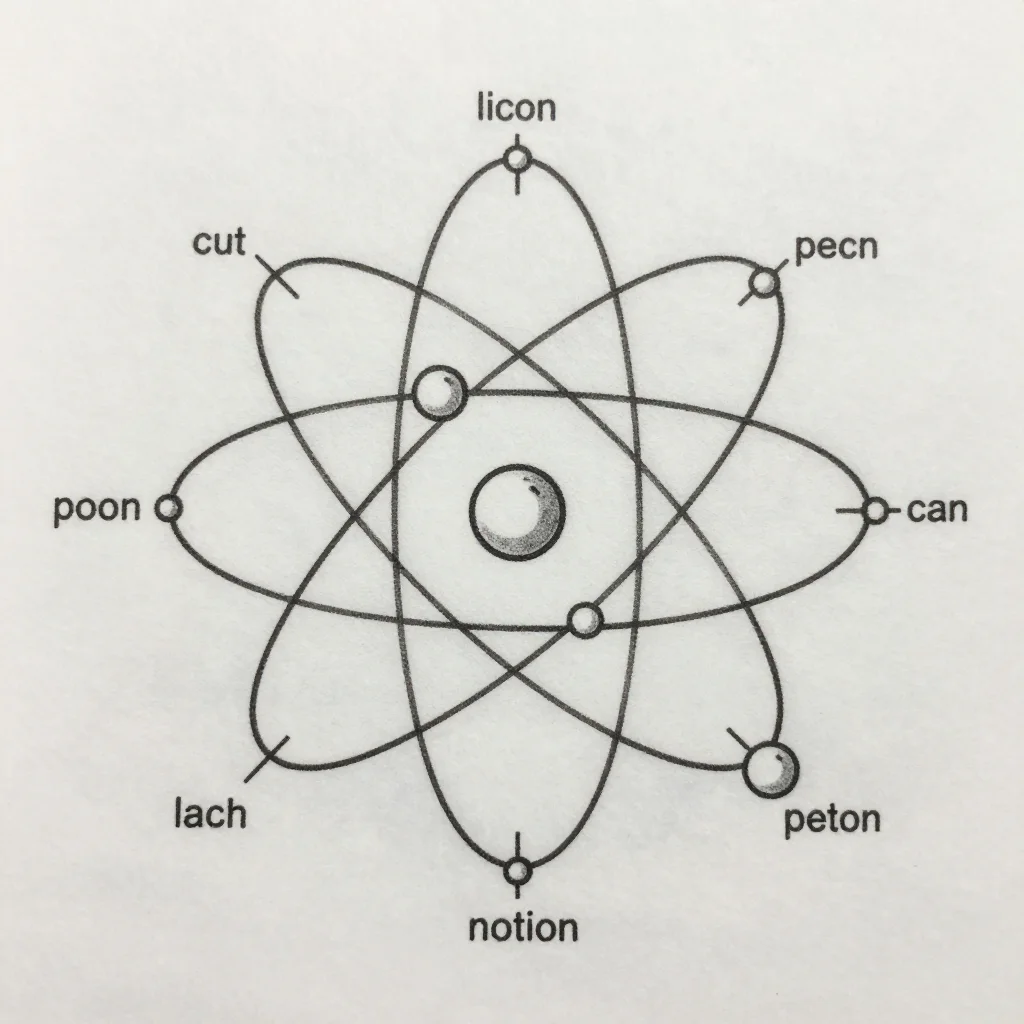
Atom diagram: labeled atom, carbon Bohr model, electron shells
Make your ownAtom diagrams
Describe yours. We'll remake the whole pack your way.
More like this
the whole catalog →
every sample — three subjects, three styles ↓
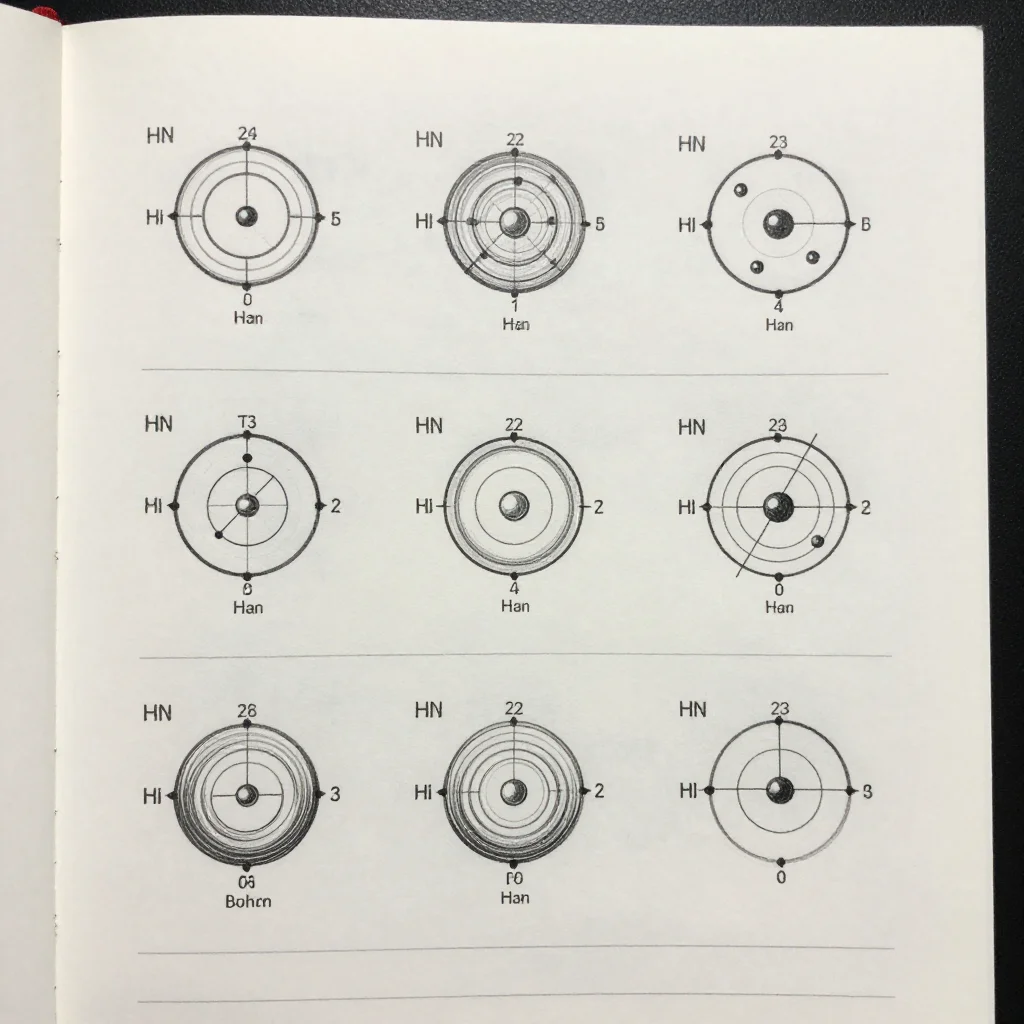
An atom diagram for chemistry and physics students learning protons, neutrons and electrons. The labeled atom names the nucleus, protons, neutrons, electrons and shell. The Bohr model of carbon shows its two inner and four outer electrons. The shell chart draws ten small models from hydrogen to neon. Type a direction, such as oxygen atom, and the picture will try it.
- a chemistry or physics lesson
- a worksheet on electron shells
- a classroom chart of the first ten elements
- a study card for the Bohr model
Frequently asked questions
- What do the nine pictures show?
- Three diagrams in three styles: a labeled atom, the Bohr model of carbon with its shells, and a grid of ten Bohr models from hydrogen to neon.
- What are the Bohr models?
- Simple diagrams that draw the nucleus at the center and the electrons on shells around it, one model per element.
- What is the difference between the three styles?
- The textbook style is a fine black line drawing with no fill, the color-coded style has a soft pastel fill in each part, and the pen sketch has varied line weight and light hatching.
- Can I ask for a different atom, such as oxygen?
- Yes. A direction such as oxygen atom is a request the picture will try to follow, not a guaranteed result.
About toile
This page is a showcase and a starting point: nine samples already rendered, three readings of the pack crossed with three styles, each shown at the size and ratio it was made for. Take any of them further on the wall with a few words, or ask for all nine again under your own direction; a sign-in keeps what you make, and it is free while Toile is new. The recipe behind each sample — the subject, the style, the palette, the framing — travels with the image rather than staying private to the render: it is in the alt text of every sample and in the page's own structured data, so a search engine reads the same handles a person would.