/bird-art-prints · wall-art
Bird art prints: blue heron, hummingbird and peacock
Make your ownBird art prints
Describe yours. We'll remake the whole pack your way.
More like this
the whole catalog →

every sample — three subjects, three styles ↓
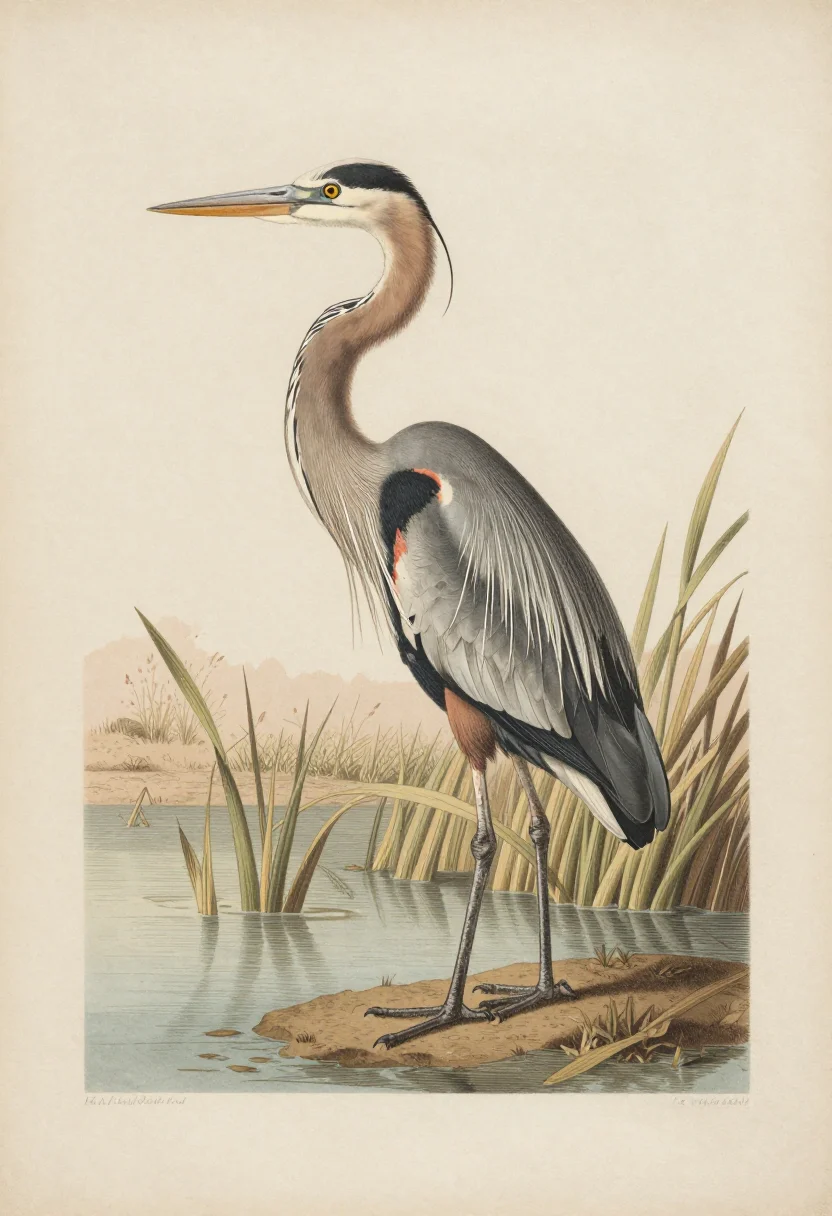
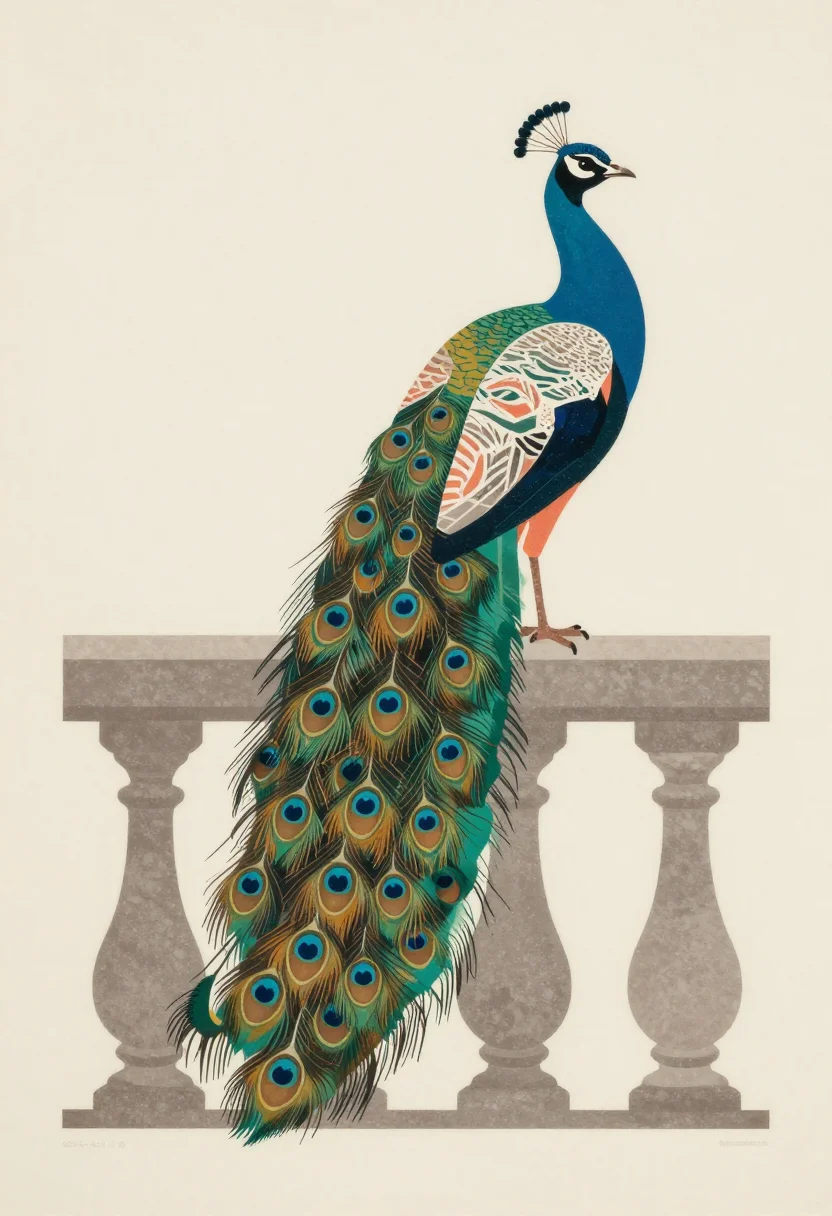
Birds for a study or a home library wall: a great blue heron standing in reeds, a ruby-throated hummingbird at a red flower, and a peacock on a stone balustrade with its tail falling. Each bird is shown as a hand-coloured natural-history plate on aged paper, as a loose watercolour study, and as a midcentury graphic print in flat teal and coral. The direction field takes another bird, such as an owl or a flamingo, as a request.
- a study or home library wall
- a hallway with a row of matching birds
- a gift for a birdwatcher
Frequently asked questions
- Which birds are in the pack?
- A great blue heron in the reeds, a hummingbird at a flower, and a peacock with its tail falling. Each is shown in three styles.
- What is the difference between the three styles?
- The natural-history plate is precise hand-coloured engraving on tan paper. The watercolour has wet washes that bleed at the edges. The graphic uses simplified shapes in flat teal, coral and mustard.
- Can I ask for a different bird?
- Yes. Type it in the direction field, such as an owl or a kingfisher; the picture is a request, not a promised match.
- Are these photographs of real birds?
- No. They are rendered pictures in the styles described, not photographs.
About toile
This page is a showcase and a starting point: nine samples already rendered, three readings of the pack crossed with three styles, each shown at the size and ratio it was made for. Take any of them further on the wall with a few words, or ask for all nine again under your own direction; a sign-in keeps what you make, and it is free while Toile is new. The recipe behind each sample — the subject, the style, the palette, the framing — travels with the image rather than staying private to the render: it is in the alt text of every sample and in the page's own structured data, so a search engine reads the same handles a person would.