/blackwork-embroidery-charts · craft
Blackwork embroidery charts: fill samplers, a border and a motif
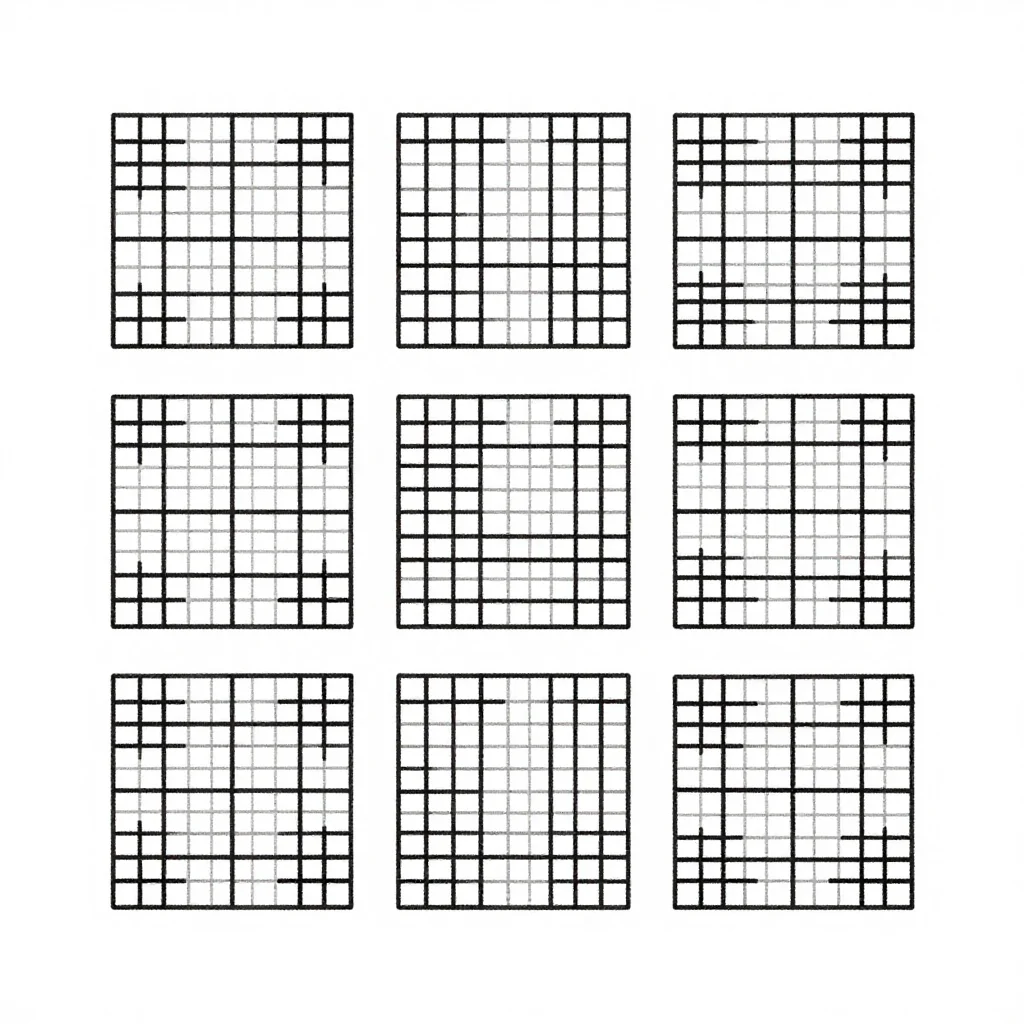
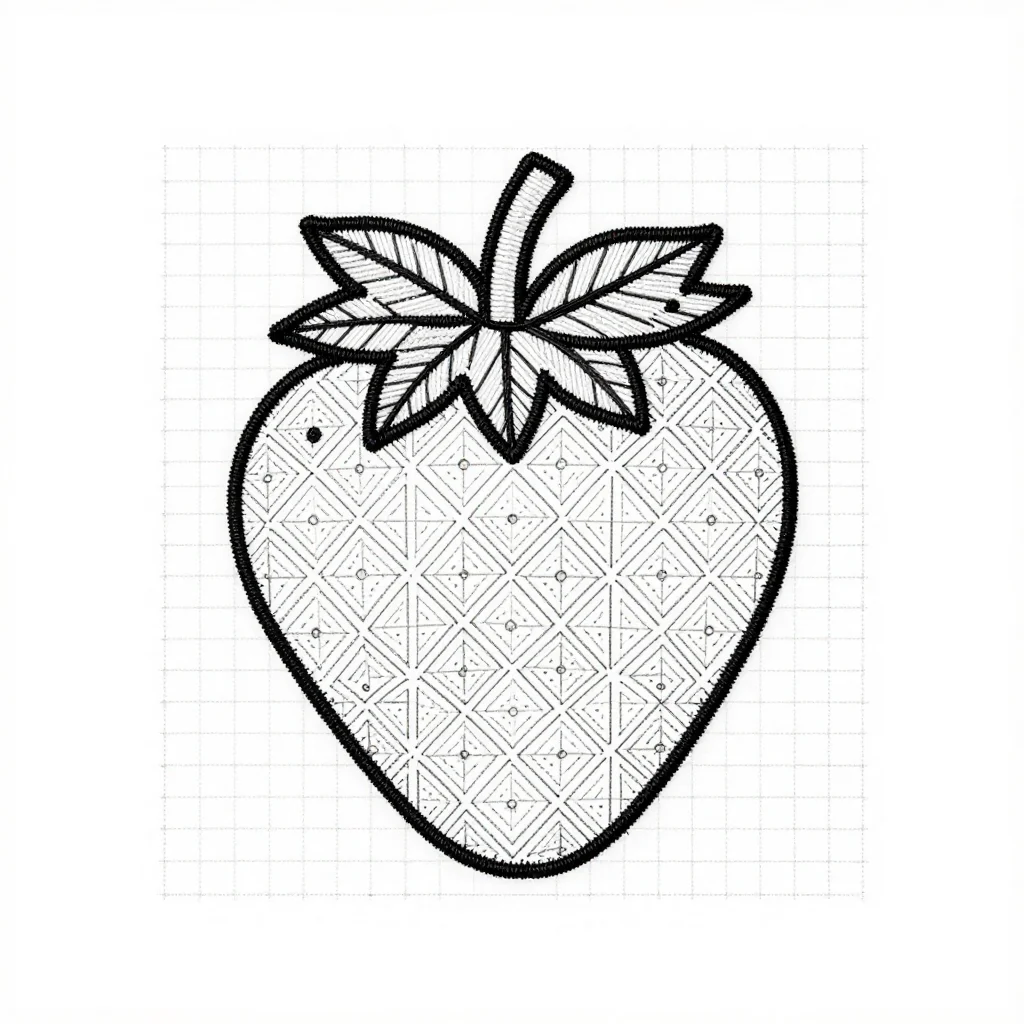
Make your ownBlackwork embroidery charts
Describe yours. We'll remake the whole pack your way.
More like this
the whole catalog →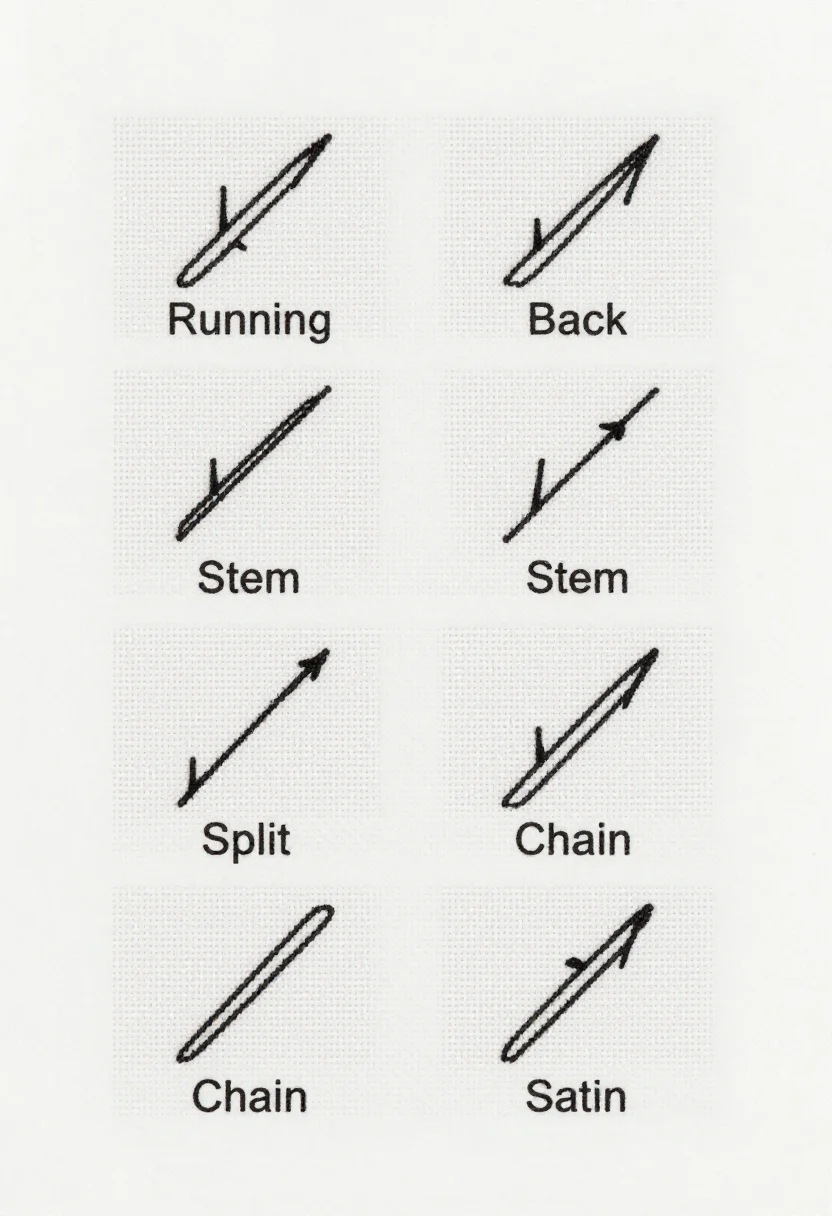
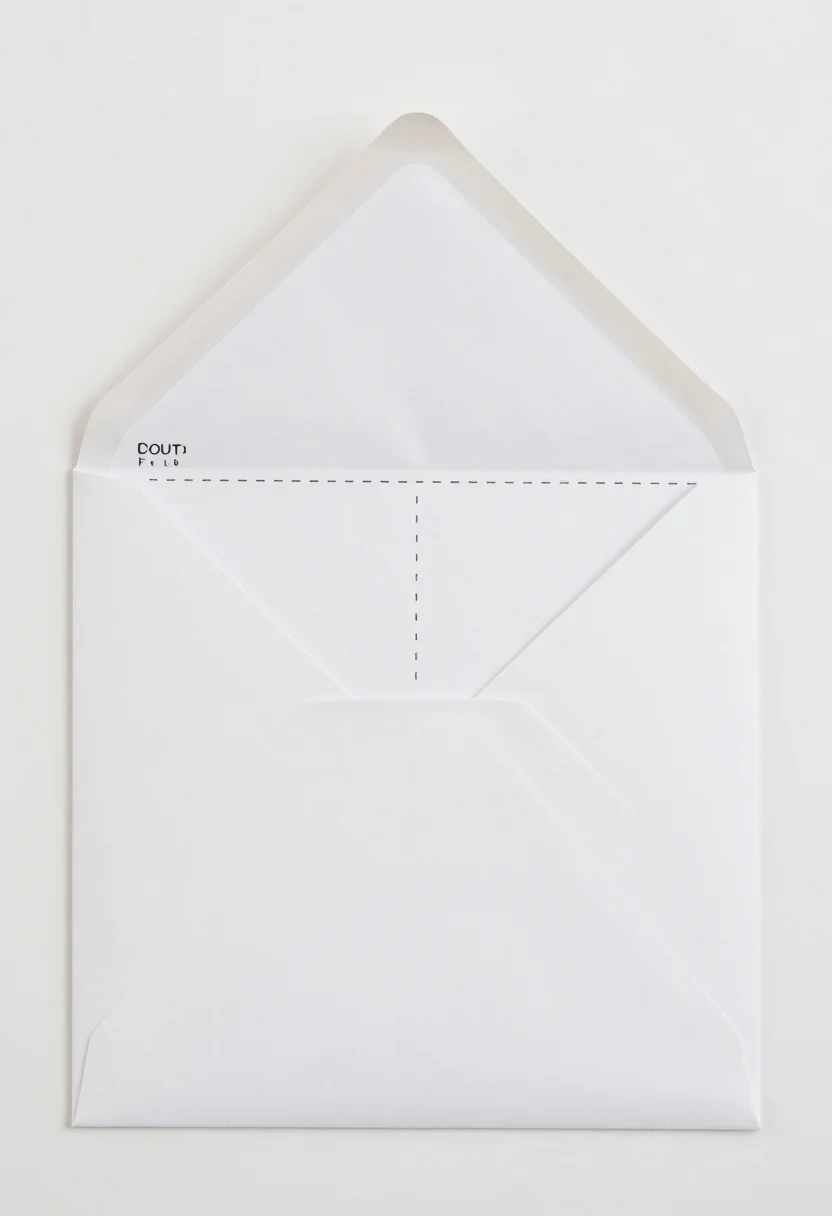
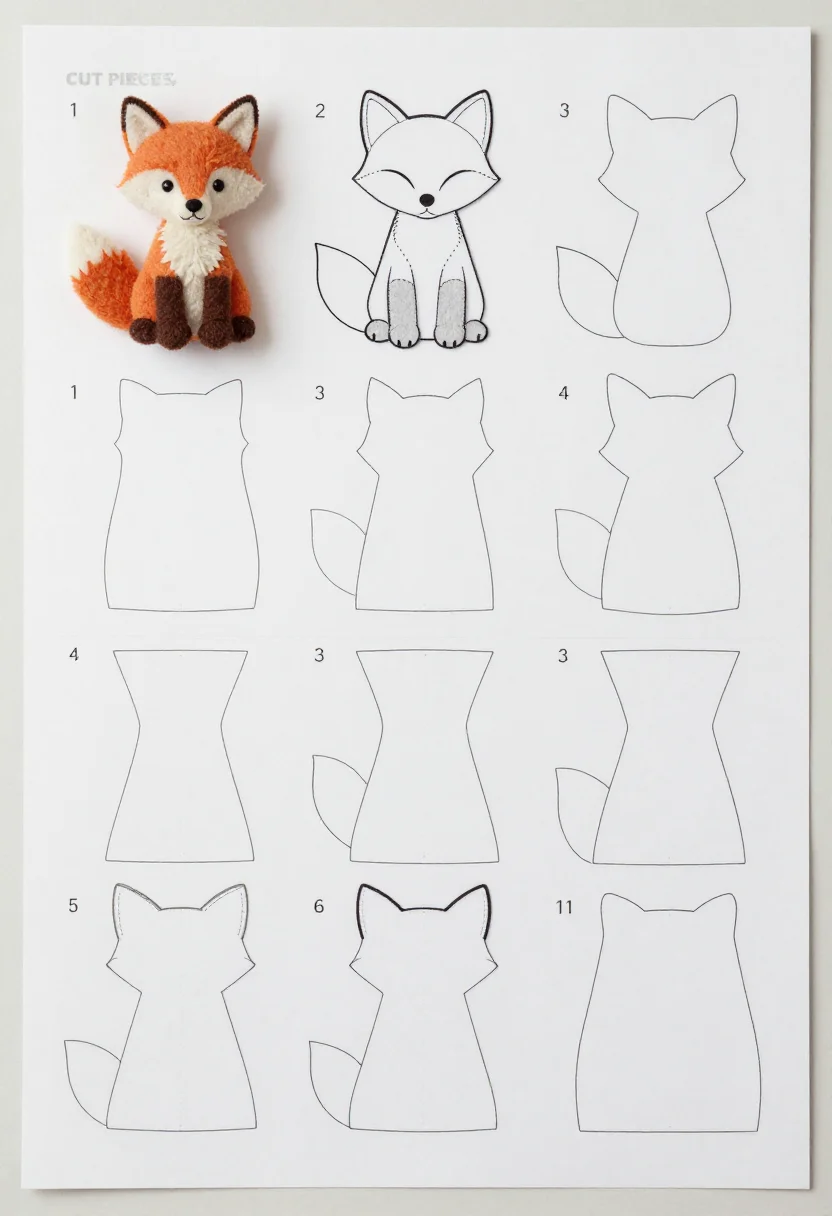
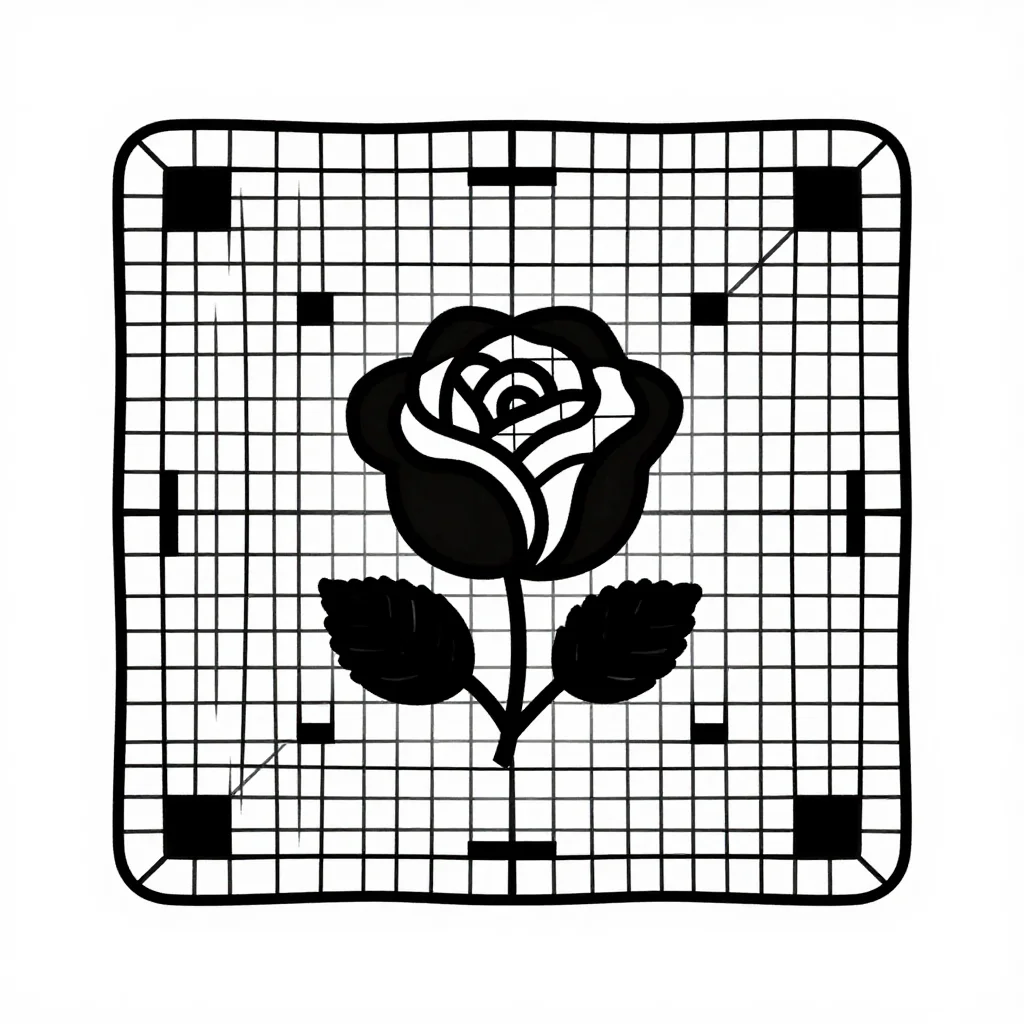
every sample — three subjects, three styles ↓
Blackwork is counted embroidery in a single dark thread, worked in double running stitch into geometric fills. It dates from Tudor England, where it trimmed collars and cuffs. These nine charts cover a sampler of fills, a strapwork border and a strawberry motif. Each comes as a counted grid, a dense fill or an airy fill. Type a different motif and the same counted grid carries it.
- a sampler of fill patterns
- a collar or cuff trim
- a bookmark border
- a motif for a small framed piece
Frequently asked questions
- What is a counted chart?
- Each stitch covers one or two squares of an even grid, so you count the squares and stitch to the chart.
- What is the difference between dense and airy?
- Dense fill packs the stitch lines close for a strong dark area. Airy fill spaces them wide, so the cloth shows between them.
- Is blackwork worked in more than one thread?
- No. Blackwork uses one dark thread, and the charts show black ink on white.
About toile
This page is a showcase and a starting point: nine samples already rendered, three readings of the pack crossed with three styles, each shown at the size and ratio it was made for. Take any of them further on the wall with a few words, or ask for all nine again under your own direction; a sign-in keeps what you make, and it is free while Toile is new. The recipe behind each sample — the subject, the style, the palette, the framing — travels with the image rather than staying private to the render: it is in the alt text of every sample and in the page's own structured data, so a search engine reads the same handles a person would.