/blue-and-white · style
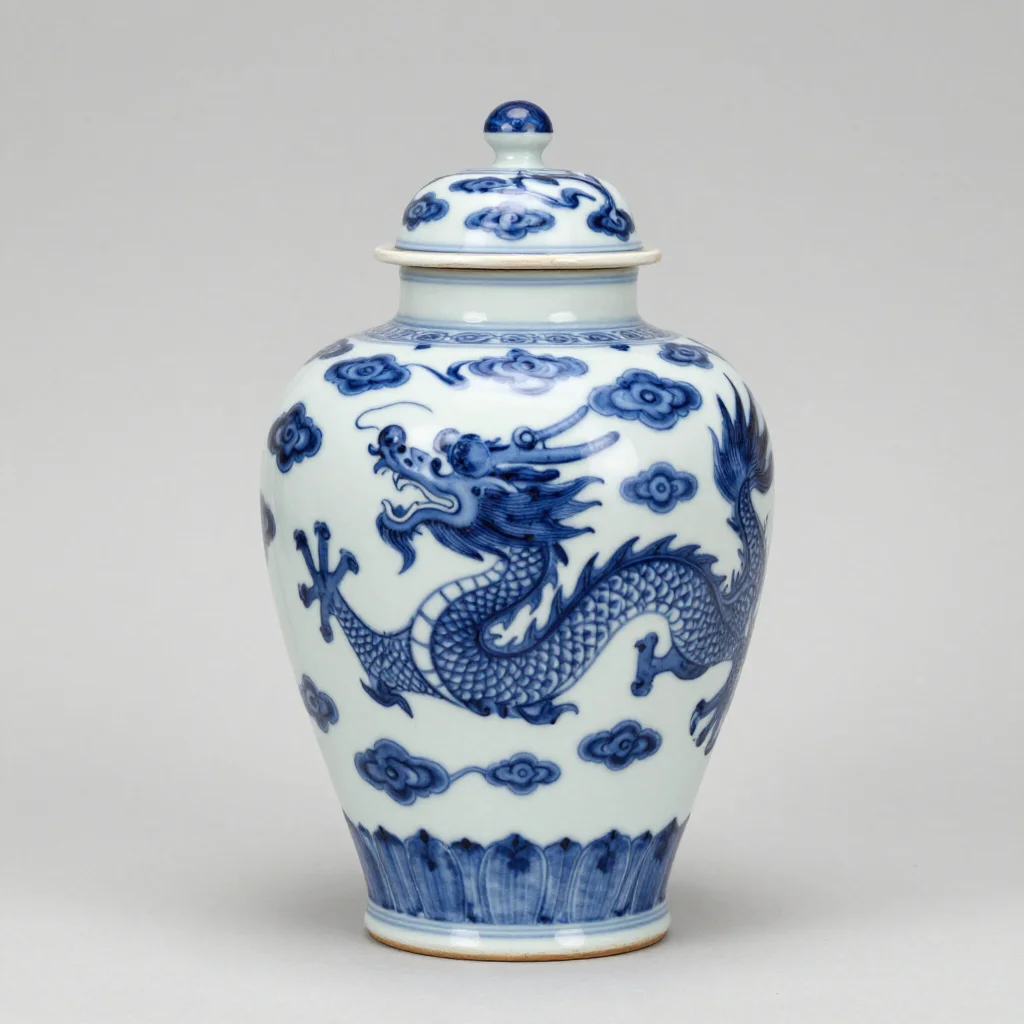
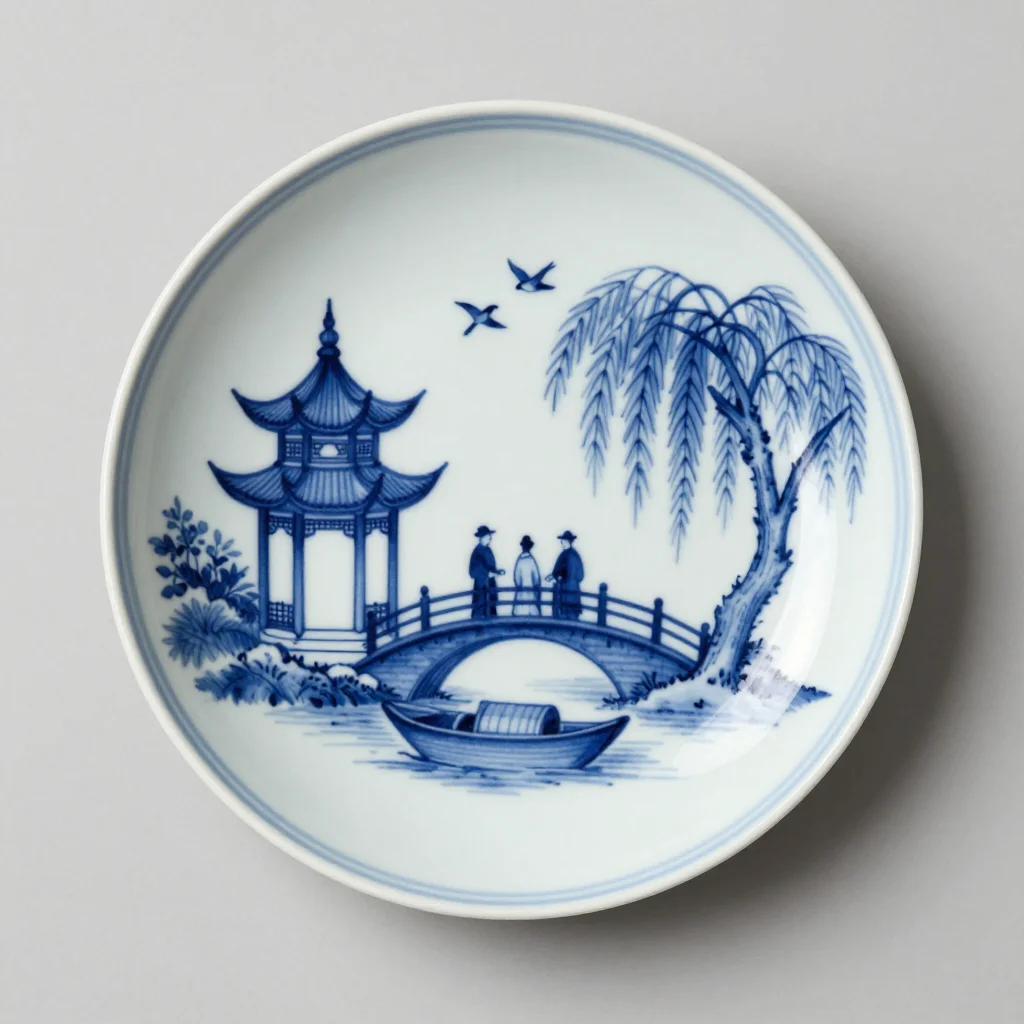
Blue and white china pattern: dragon jar, windmill plate, willow pattern
Make your ownBlue and white porcelain
Describe yours. We'll remake the whole pack your way.
More like this
the whole catalog →

every sample — three subjects, three styles ↓
Blue and white china is cobalt on white glaze from Jingdezhen to Delft: a ginger jar of dragons in clouds, a windmill-and-canal plate, a willow-pattern scene with its bridge and birds. These nine render each as Ming porcelain, Delftware and English transferware. Ask for your own house instead and the same three traditions carry it.
- a kitchen or dining room wall
- a tile pattern reference
- a housewarming gift print
- a china pattern mood board
- a coaster or plate design reference
Frequently asked questions
- What size do these print at?
- Each scene is drawn at A3 proportions with an even margin, so it prints clean at A3 or scales down for a plate design.
- Can I get a different subject, like my own house?
- Yes — the direction field takes any subject, such as your own house instead of the windmill, and the same three traditions render it.
- What's the difference between Ming, Delft and transferware?
- Ming porcelain uses free brush painting under a clear glaze; Delftware uses a flatter, more graphic hand-painted line; English transferware prints the design from an engraved copper plate for a finer, denser pattern.
- Can I print these as a tile pattern?
- Yes — the flat, high-contrast blue-on-white composition works as a single tile motif or a repeating pattern reference.
About toile
This page is a showcase and a starting point: nine samples already rendered, three readings of the pack crossed with three styles, each shown at the size and ratio it was made for. Take any of them further on the wall with a few words, or ask for all nine again under your own direction; a sign-in keeps what you make, and it is free while Toile is new. The recipe behind each sample — the subject, the style, the palette, the framing — travels with the image rather than staying private to the render: it is in the alt text of every sample and in the page's own structured data, so a search engine reads the same handles a person would.