/horror-art · style
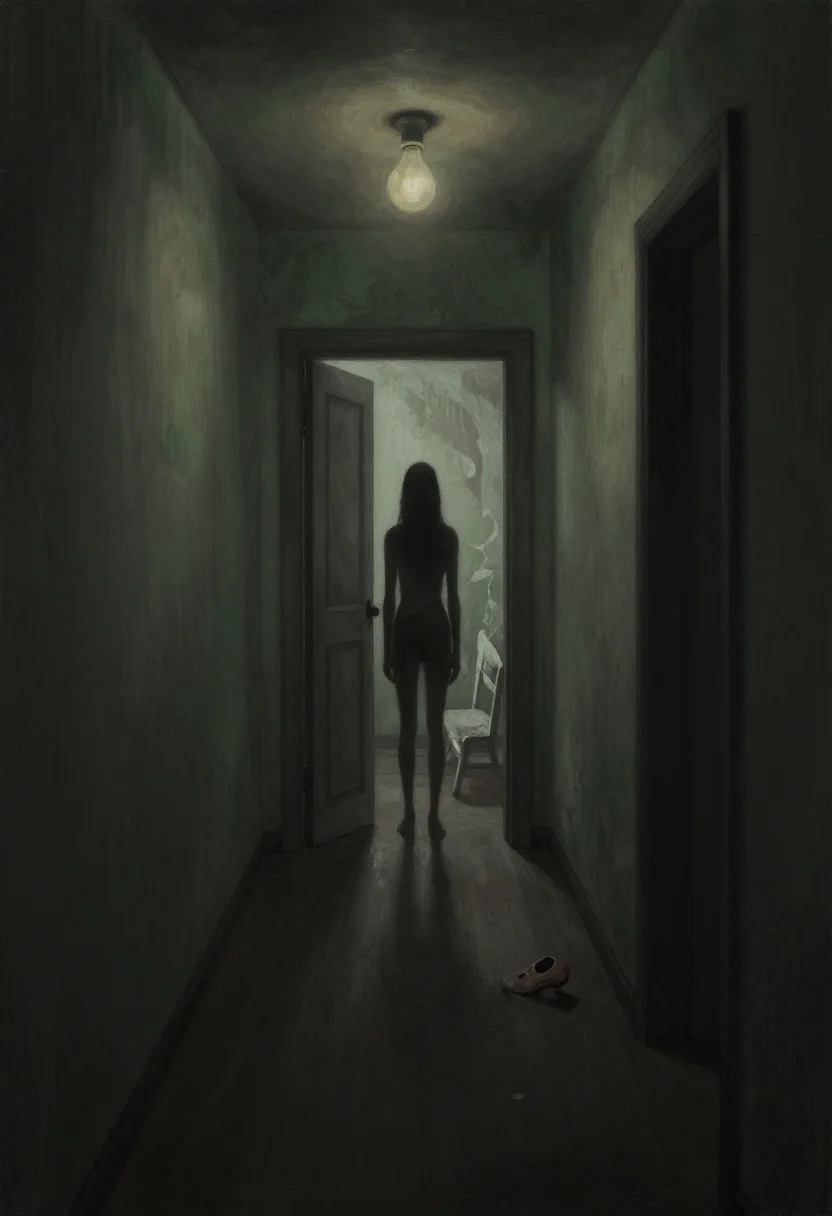
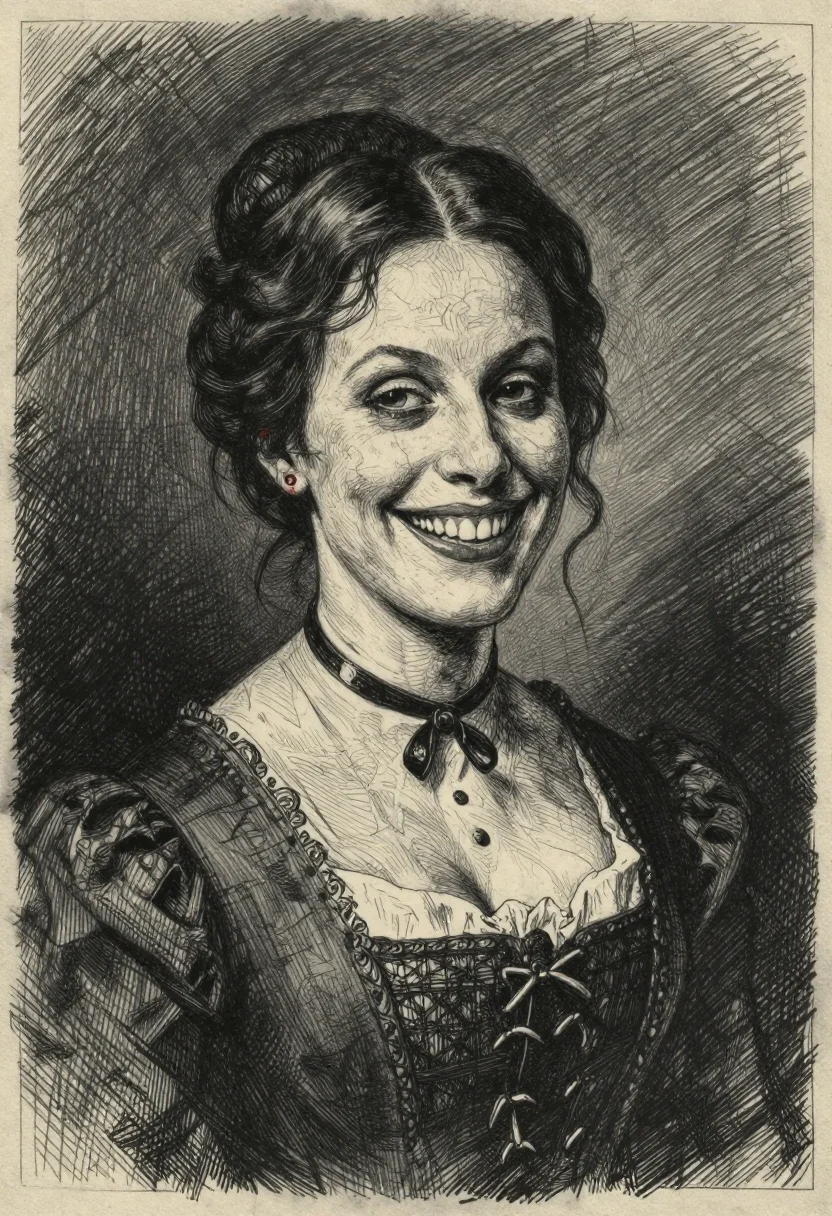
Horror art: hallway, house, wrong portrait
Make your ownHorror art
Describe yours. We'll remake the whole pack your way.
More like this
the whole catalog →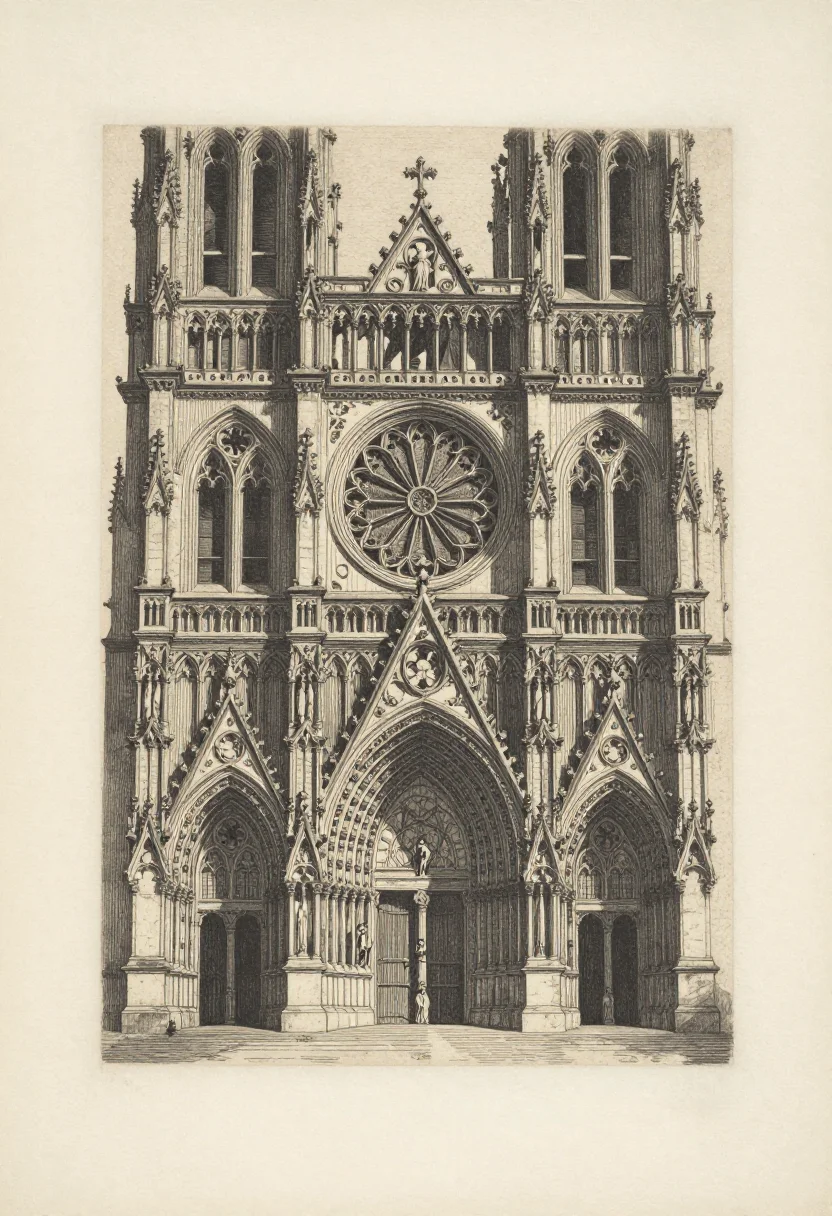
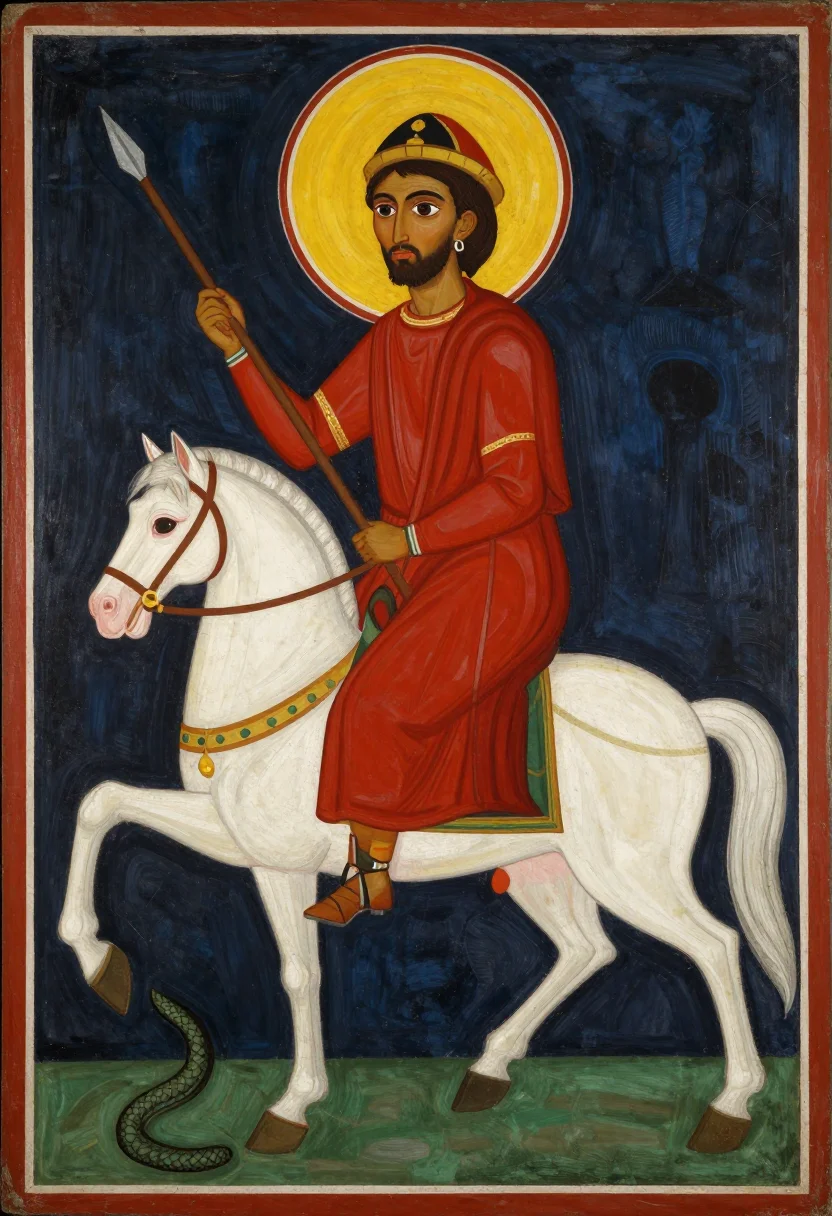
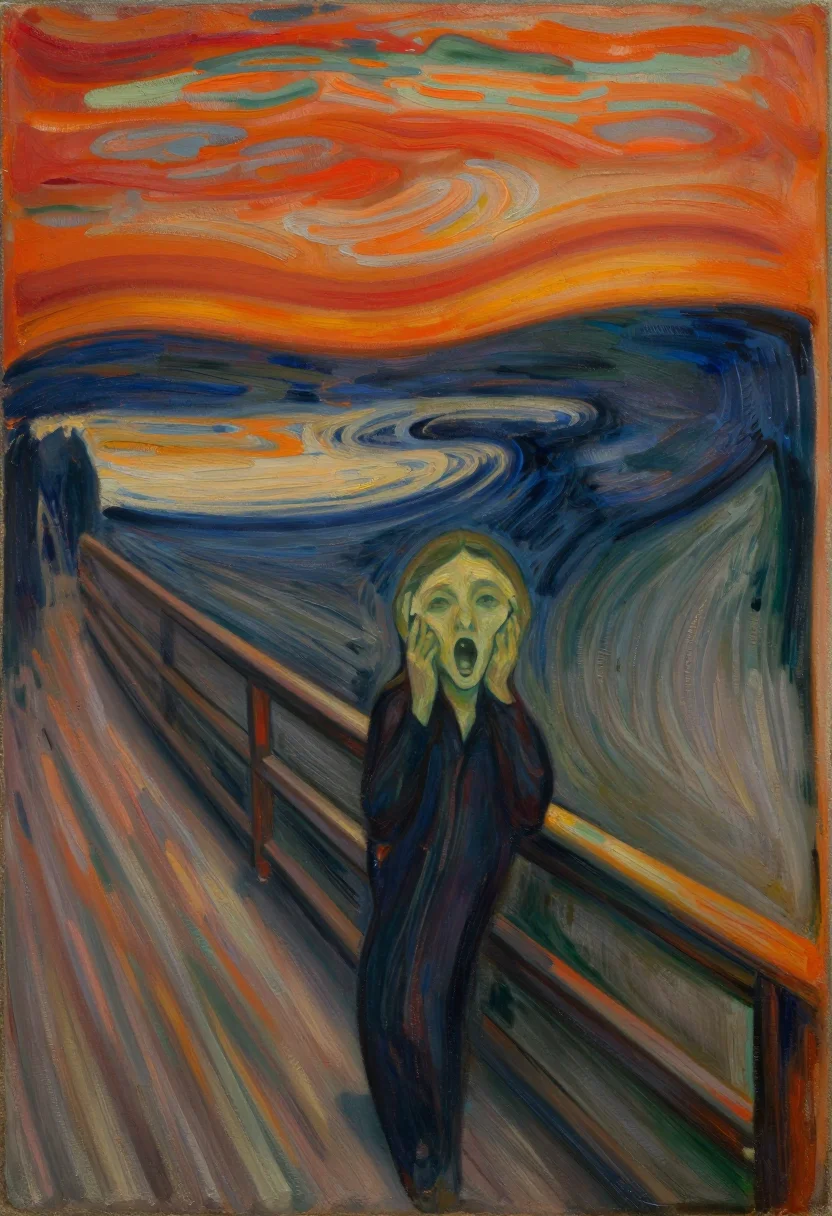
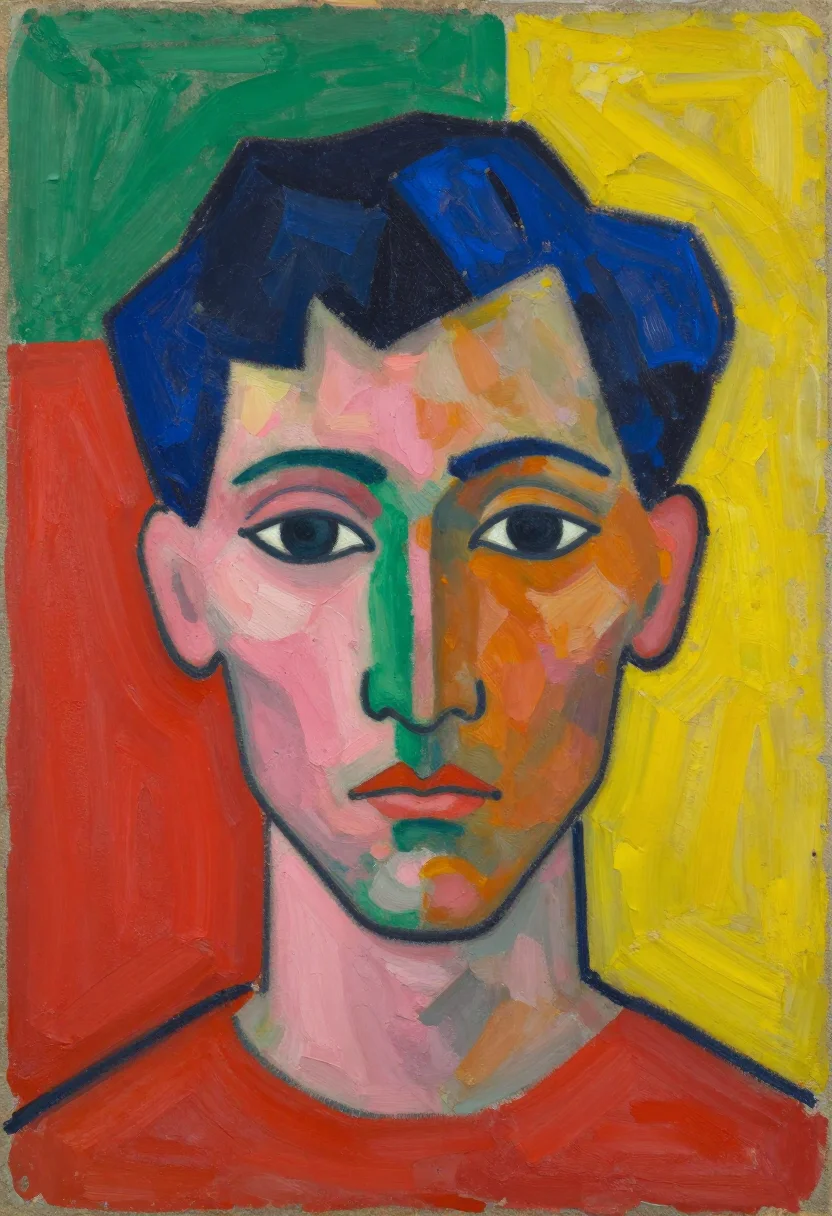
every sample — three subjects, three styles ↓
Horror art works by wrongness, not gore: a hallway that leans off true, a house with one window lit at 2am, a portrait whose smile has one tooth too many. These nine renders carry that unease across three scenes — the hallway, the house, the wrong portrait. Ask for a different scene and the same dread carries it.
- a horror-themed poster or wall print
- a book or podcast cover
- a Halloween social post
- a game or story moodboard
Frequently asked questions
- What size do these print at?
- Each render is composed at a clean square-friendly crop, suited to a print, a poster or a social post.
- Can I get a different scene, not just these three?
- Yes — the direction field takes any scene, and the same unsettling register renders it.
- What's the difference between the three takes on each scene?
- Each take varies the composition and framing while keeping the same dark, unsettling look.
- Is this a real photograph or generated?
- These are AI-generated art, not photographs of real places or people.
About toile
This page is a showcase and a starting point: nine samples already rendered, three readings of the pack crossed with three styles, each shown at the size and ratio it was made for. Take any of them further on the wall with a few words, or ask for all nine again under your own direction; a sign-in keeps what you make, and it is free while Toile is new. The recipe behind each sample — the subject, the style, the palette, the framing — travels with the image rather than staying private to the render: it is in the alt text of every sample and in the page's own structured data, so a search engine reads the same handles a person would.