/body-shape-charts · beauty
Body shape charts: five shapes, measuring, what to wear
Make your ownBody shape charts
Describe yours. We'll remake the whole pack your way.
More like this
the whole catalog →


every sample — three subjects, three styles ↓
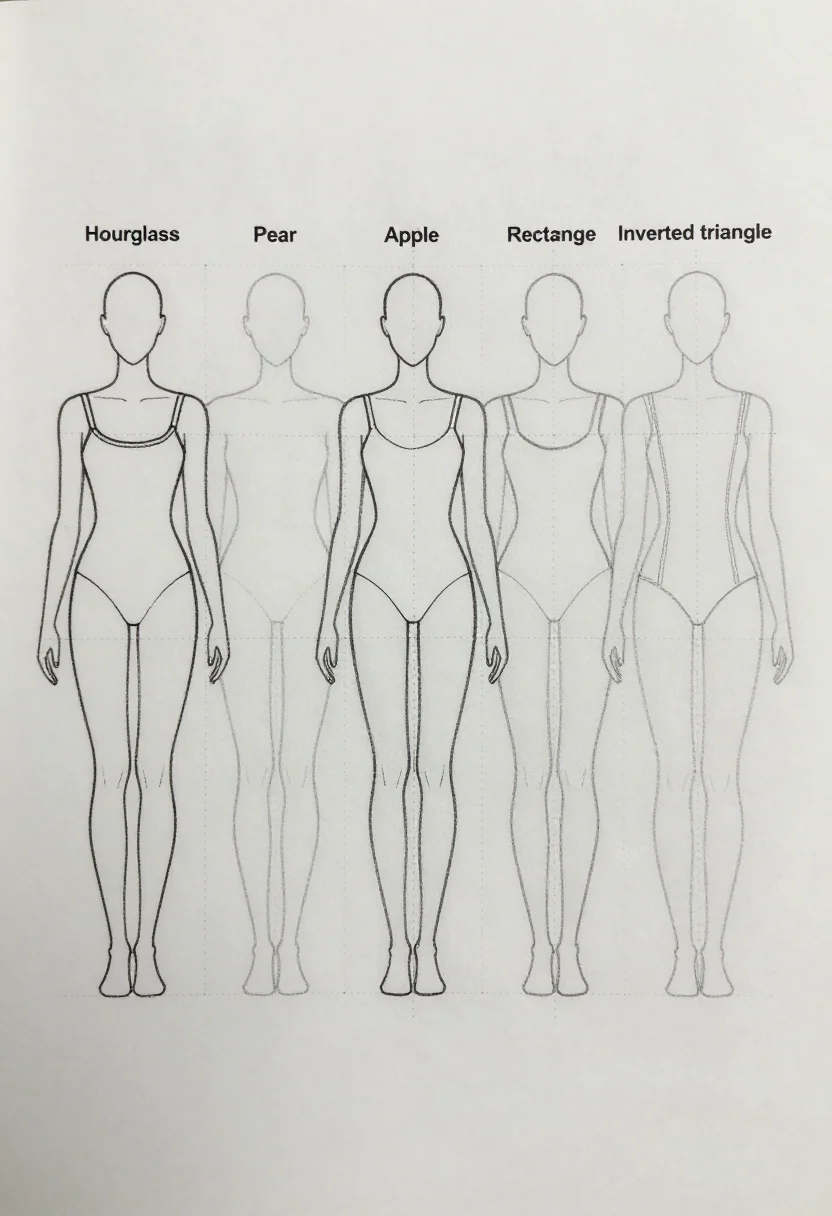
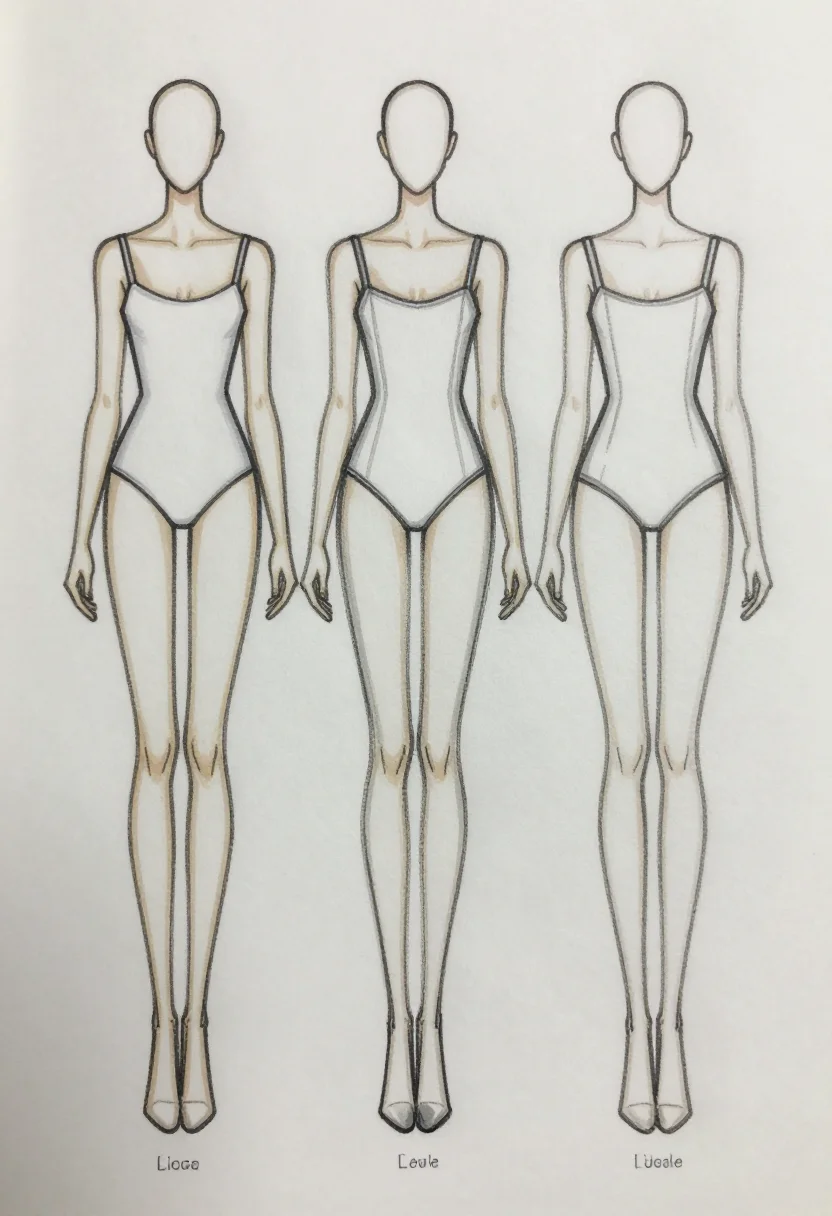
A body shape chart for dressing to your shape. The five silhouettes are hourglass, pear, apple, rectangle and inverted triangle. A measuring guide marks where to take the bust, waist and hip measures, and a dressing chart pairs each shape with a dress outline. Each page comes as a line diagram, in flat colour or as a croquis sketch. Type a different group or a twist, such as swimwear guide or plus size, and the same drawing style carries it.
- a fitting-room reference for a client
- a styling lesson in a fashion class
- a handout for a sewing or dressmaking group
- a shape guide for planning a wardrobe
Frequently asked questions
- What are the five shapes?
- Hourglass, pear, apple, rectangle and inverted triangle.
- Where does the measuring guide put the tape?
- At the bust, the waist and the hips, marked on a standing figure.
- What does the dressing chart show?
- A dress outline paired with each of the five body shapes.
- Which drawing style should I pick?
- The line diagram is plain black ink. The flat colour gives each figure one soft colour. The croquis sketch is a loose fashion drawing with light grey marker shading.
About toile
This page is a showcase and a starting point: nine samples already rendered, three readings of the pack crossed with three styles, each shown at the size and ratio it was made for. Take any of them further on the wall with a few words, or ask for all nine again under your own direction; a sign-in keeps what you make, and it is free while Toile is new. The recipe behind each sample — the subject, the style, the palette, the framing — travels with the image rather than staying private to the render: it is in the alt text of every sample and in the page's own structured data, so a search engine reads the same handles a person would.