/loc-style-charts · beauty
Loc styles: five loc types, four starts, four updos
Make your ownLoc style charts
Describe yours. We'll remake the whole pack your way.
More like this
the whole catalog →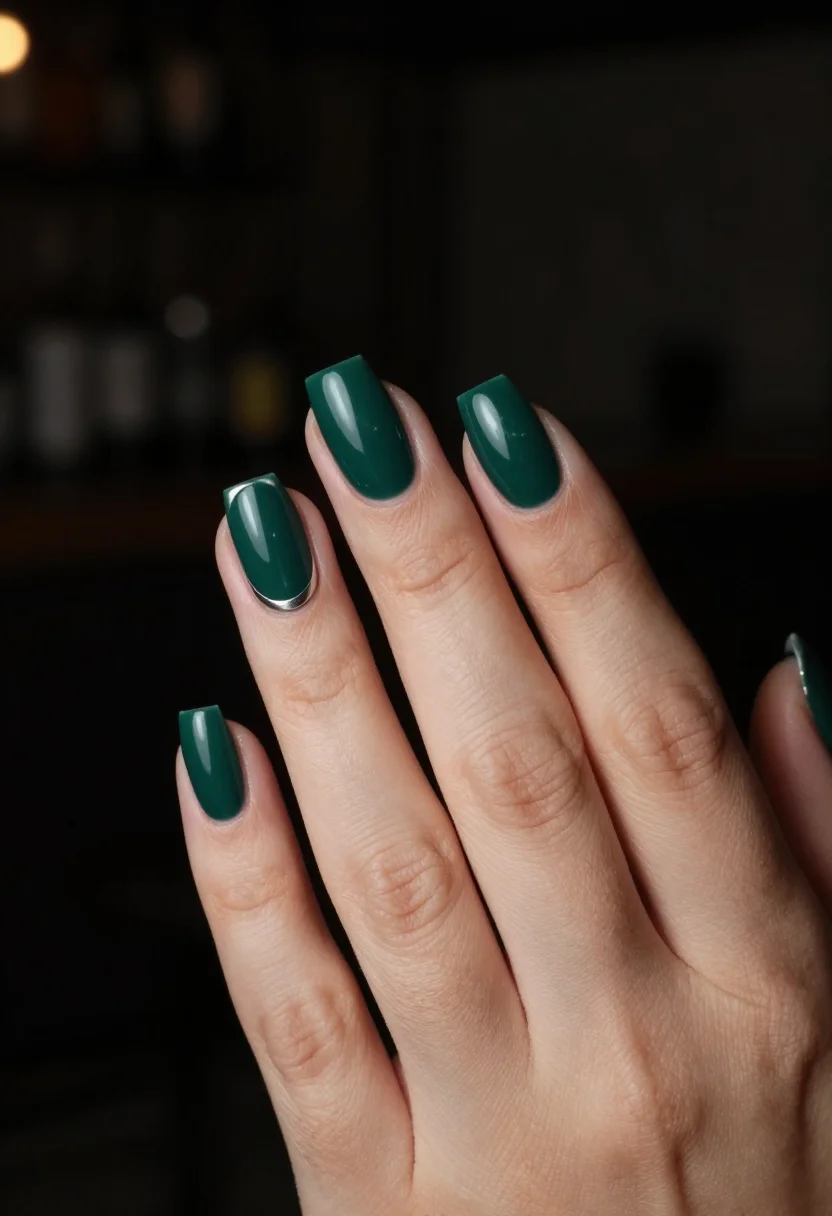
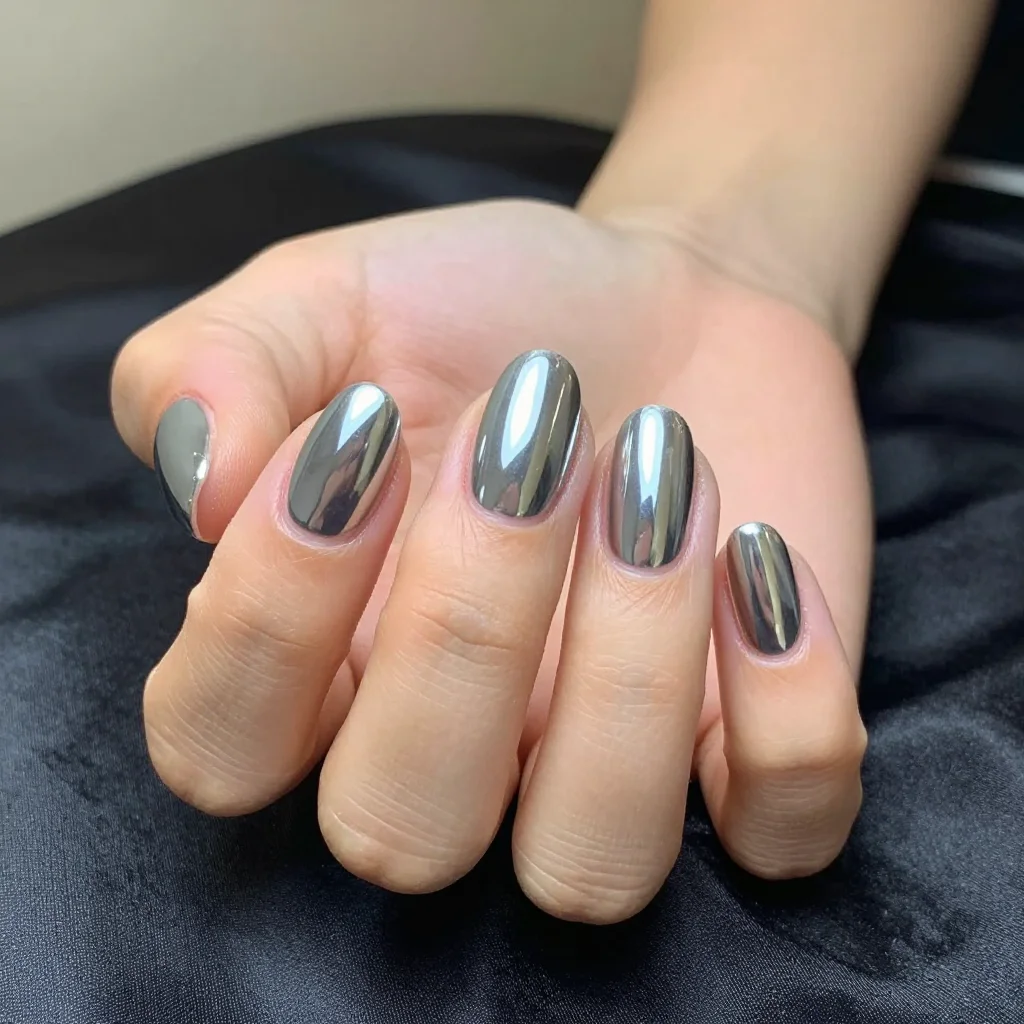
every sample — three subjects, three styles ↓
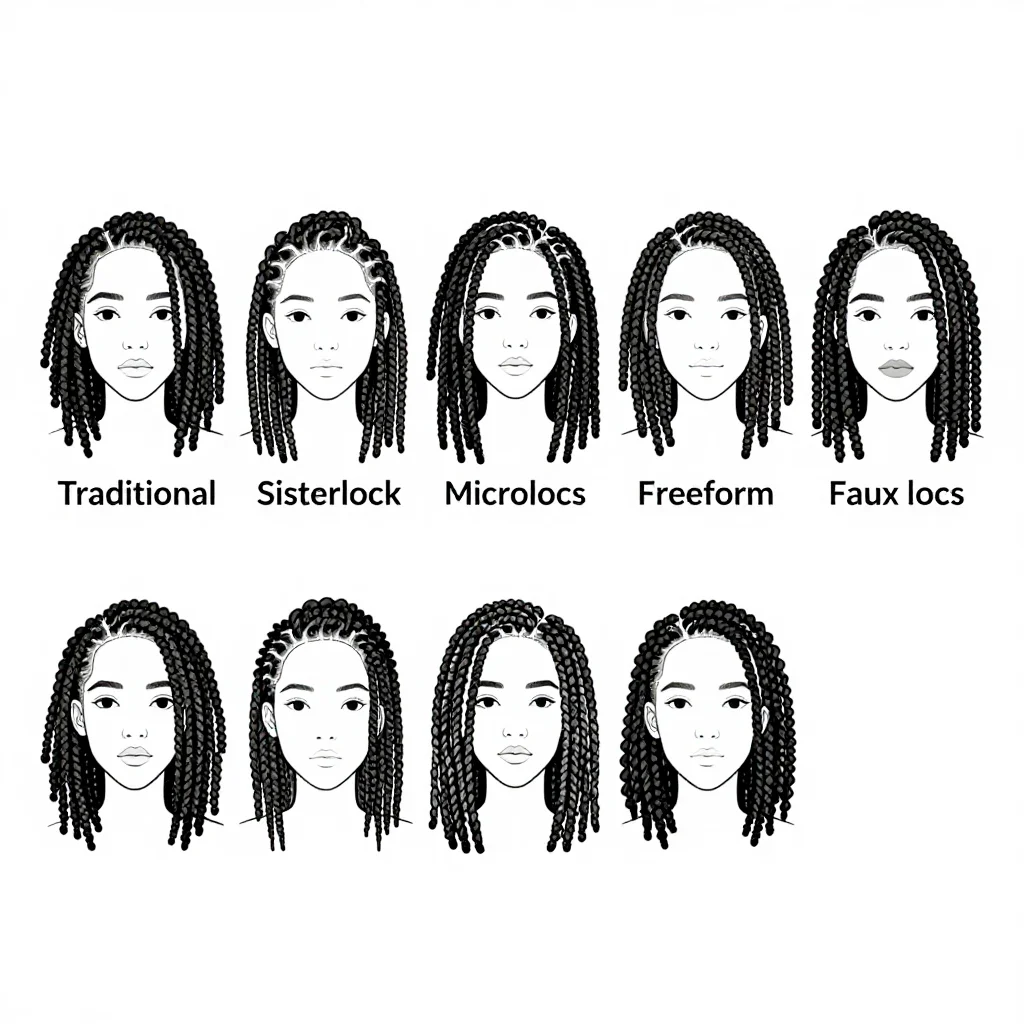
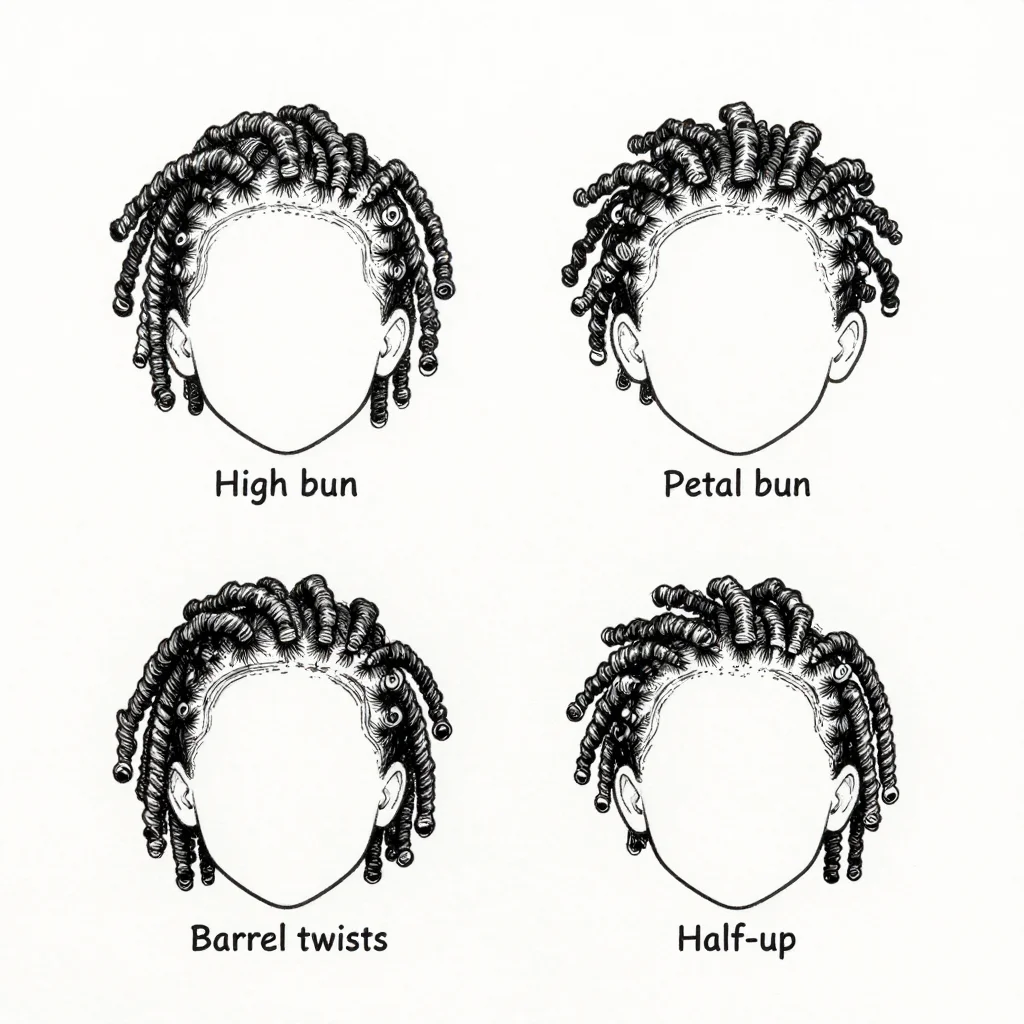
A loc style chart helps someone starting locs compare the kinds, the starts and the updos. It shows five types on labelled heads: Traditional, Sisterlocks, Microlocs, Freeform and Faux locs. Four close-up starts at the root follow: Comb coils, Two-strand twists, Braids and Interlocking. Four updos come last: High bun, Petal bun, Barrel twists and Half-up. Type a loc style, such as men's locs, and the chart is drawn for it.
- choosing a loc type before starting
- a loctitian's consultation sheet
- comparing starting methods side by side
- choosing an updo for an event
Frequently asked questions
- Which starting method should I use?
- The chart shows four ways a loc can begin at the root and how each looks. The right one depends on your hair and on your loctitian's advice.
- Is this a guide to starting locs?
- It is a reference for comparing them. It shows the kinds and the starts side by side and gives no steps for starting.
- Can I ask for a different look?
- Yes. Type the look you want, such as colored locs, and the chart is drawn for it in place of the styles shown.
- What do the three styles look like?
- The line chart is plain black outline, the filled version colors each loc in warm dark brown with lighter tips, and the stippled version shades the texture in dots.
About toile
This page is a showcase and a starting point: nine samples already rendered, three readings of the pack crossed with three styles, each shown at the size and ratio it was made for. Take any of them further on the wall with a few words, or ask for all nine again under your own direction; a sign-in keeps what you make, and it is free while Toile is new. The recipe behind each sample — the subject, the style, the palette, the framing — travels with the image rather than staying private to the render: it is in the alt text of every sample and in the page's own structured data, so a search engine reads the same handles a person would.