/box-braid-size-charts · beauty
Box braid size charts: five sizes, three parting patterns, four lengths
Make your ownBox braid size charts
Describe yours. We'll remake the whole pack your way.
More like this
the whole catalog →
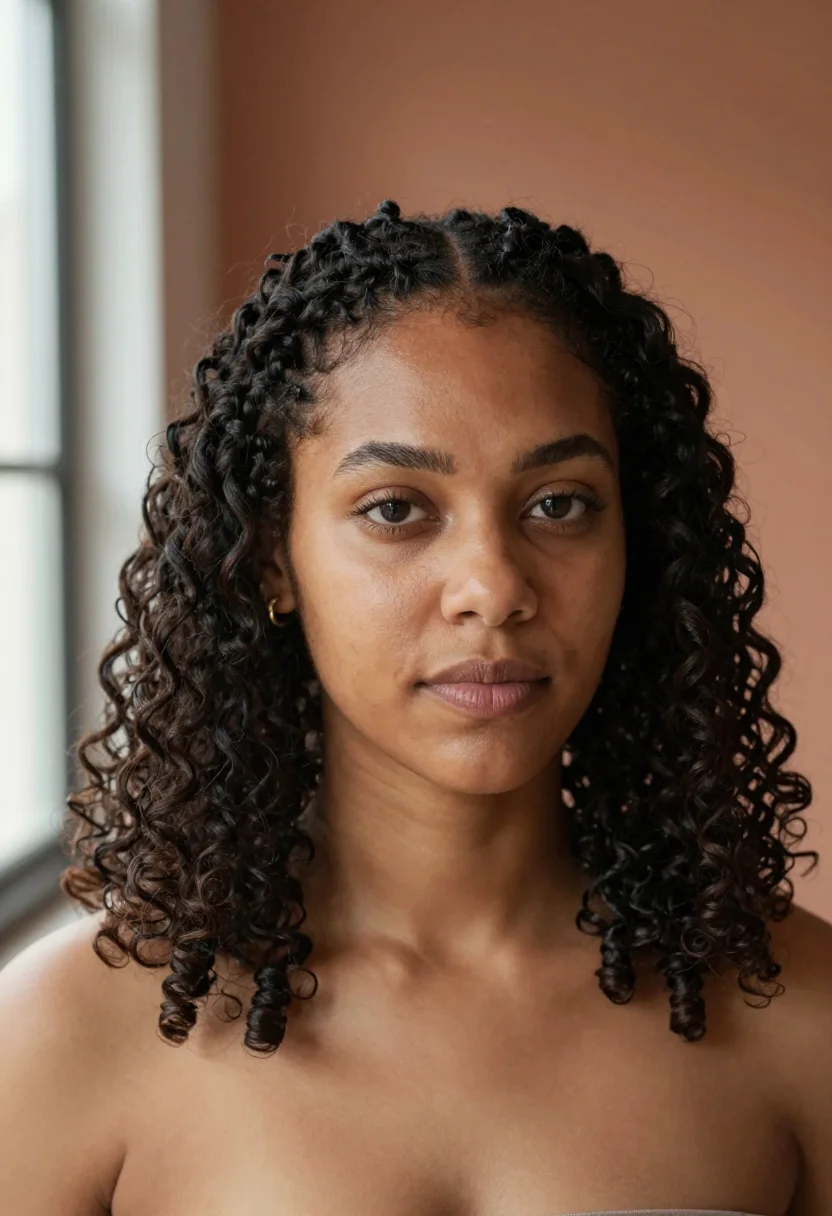
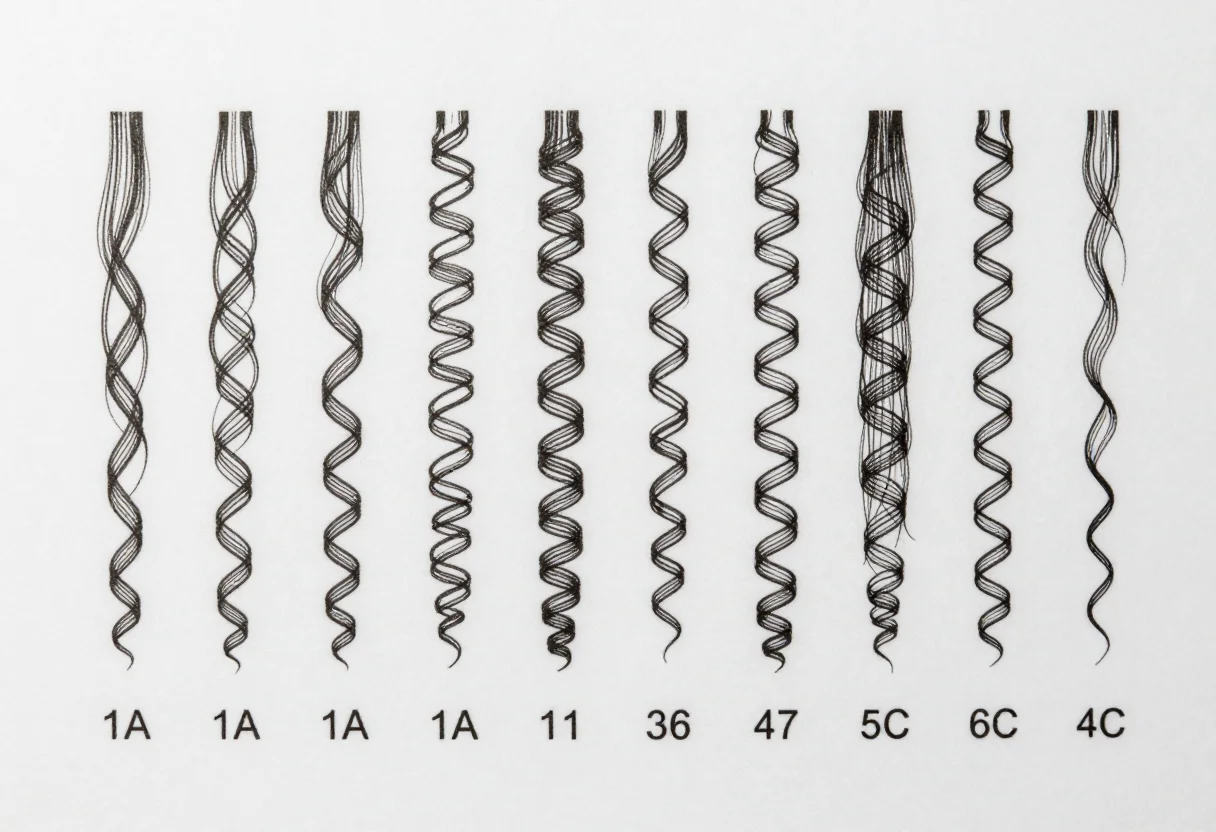
every sample — three subjects, three styles ↓
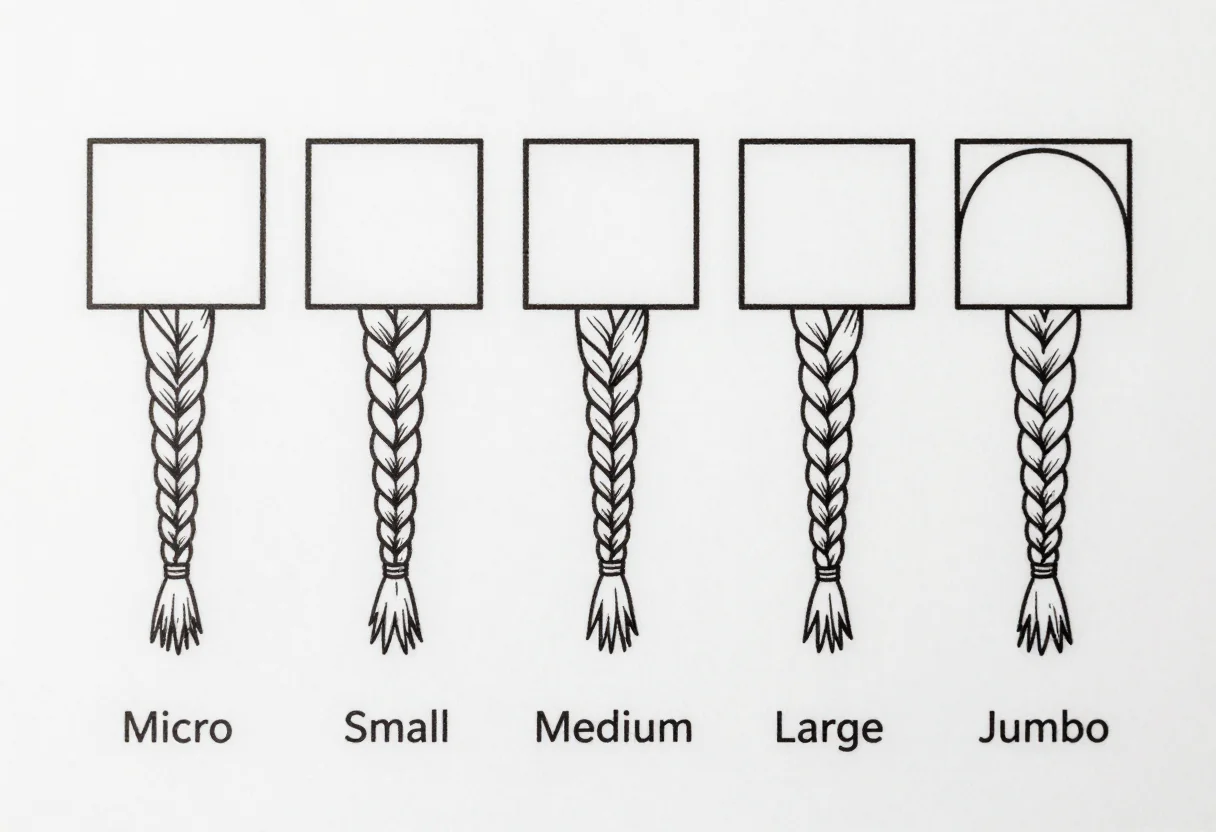
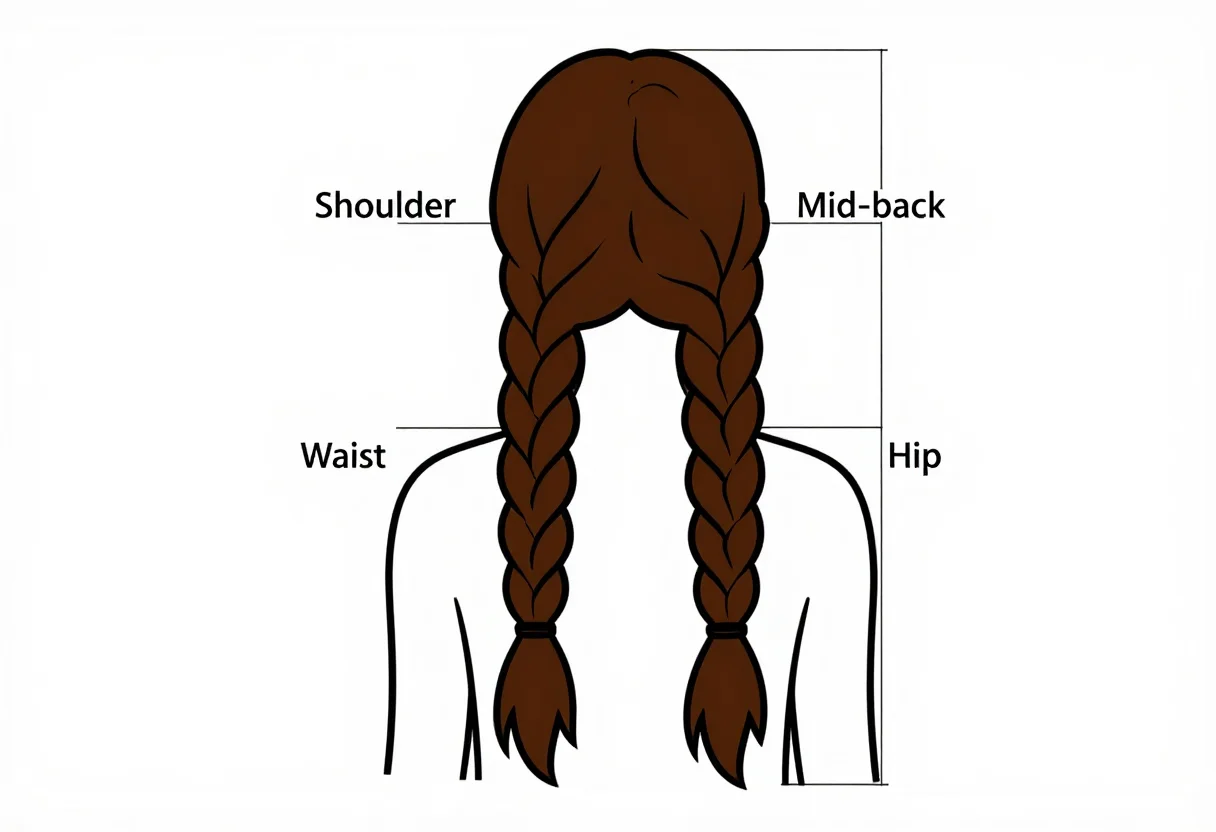
A box braid size chart helps a braider and a client agree on braid size, parting pattern and length before a booking. One row shows five sizes from Micro to Jumbo, drawn at the scalp. Another shows the Square, Triangle and Brick lay partings. A third marks where braids end on a back-view figure: Shoulder, Mid-back, Waist and Hip. Type a style, such as knotless braids, and the chart is drawn for it.
- agreeing braid size with a braider
- a booking note for a client
- a salon reference on the wall
- comparing partings before a visit
Frequently asked questions
- How do I pick a size?
- Compare the scalp squares, from Micro, the finest, to Jumbo, the largest. Point to the one you want and note the length beside the figure.
- What is a parting pattern?
- It is the grid of sections drawn on the scalp. Square, Triangle and Brick lay are three common layouts, with a braid in every section.
- Can I ask for a different style?
- Yes. Type the style you want, such as bohemian braids, and the chart is drawn for it in place of the sizes shown.
- What do the three styles show differently?
- The line chart has thin black outlines, the marked version draws the parts and lengths in bright magenta, and the filled version shows each braid in solid brown.
About toile
This page is a showcase and a starting point: nine samples already rendered, three readings of the pack crossed with three styles, each shown at the size and ratio it was made for. Take any of them further on the wall with a few words, or ask for all nine again under your own direction; a sign-in keeps what you make, and it is free while Toile is new. The recipe behind each sample — the subject, the style, the palette, the framing — travels with the image rather than staying private to the render: it is in the alt text of every sample and in the page's own structured data, so a search engine reads the same handles a person would.