/crochet-braid-styles · beauty
Crochet braid styles: water-wave curls, faux locs, passion twists
Make your ownCrochet braid styles
Describe yours. We'll remake the whole pack your way.
More like this
the whole catalog →
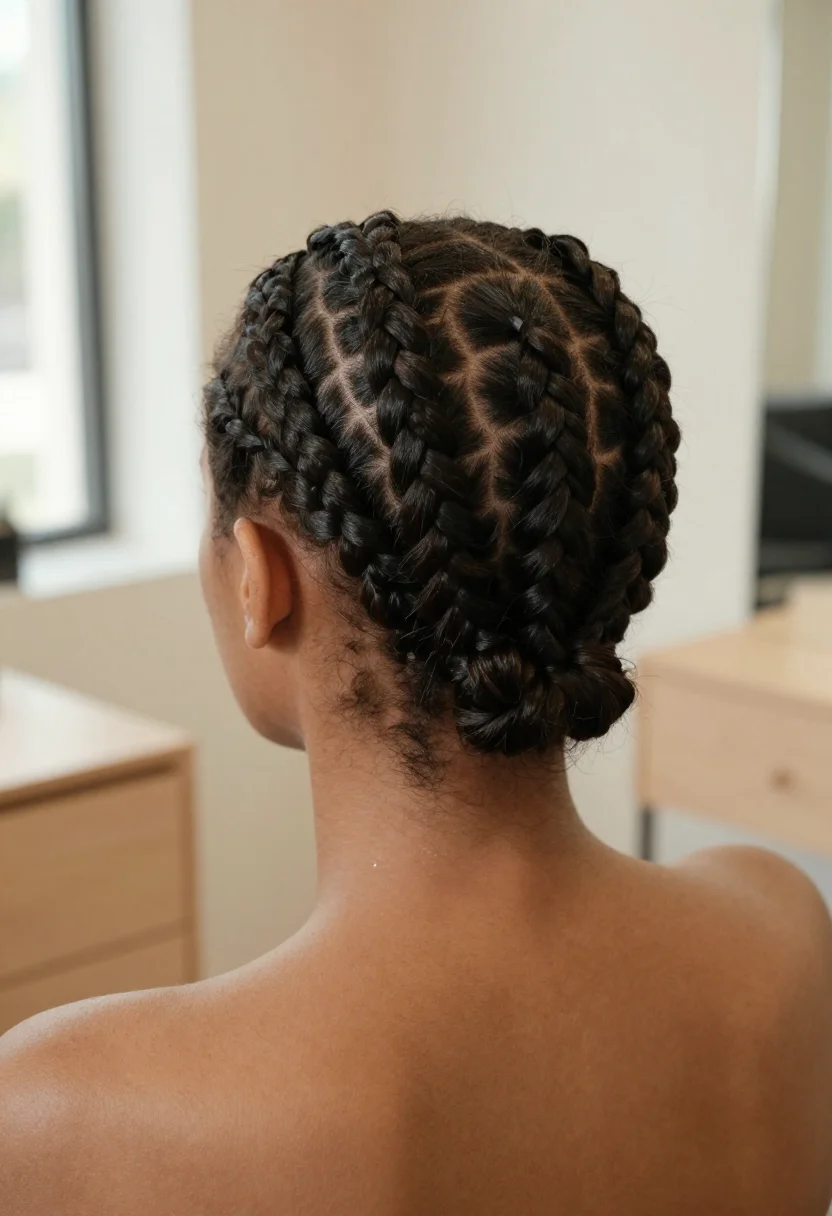
every sample — three subjects, three styles ↓
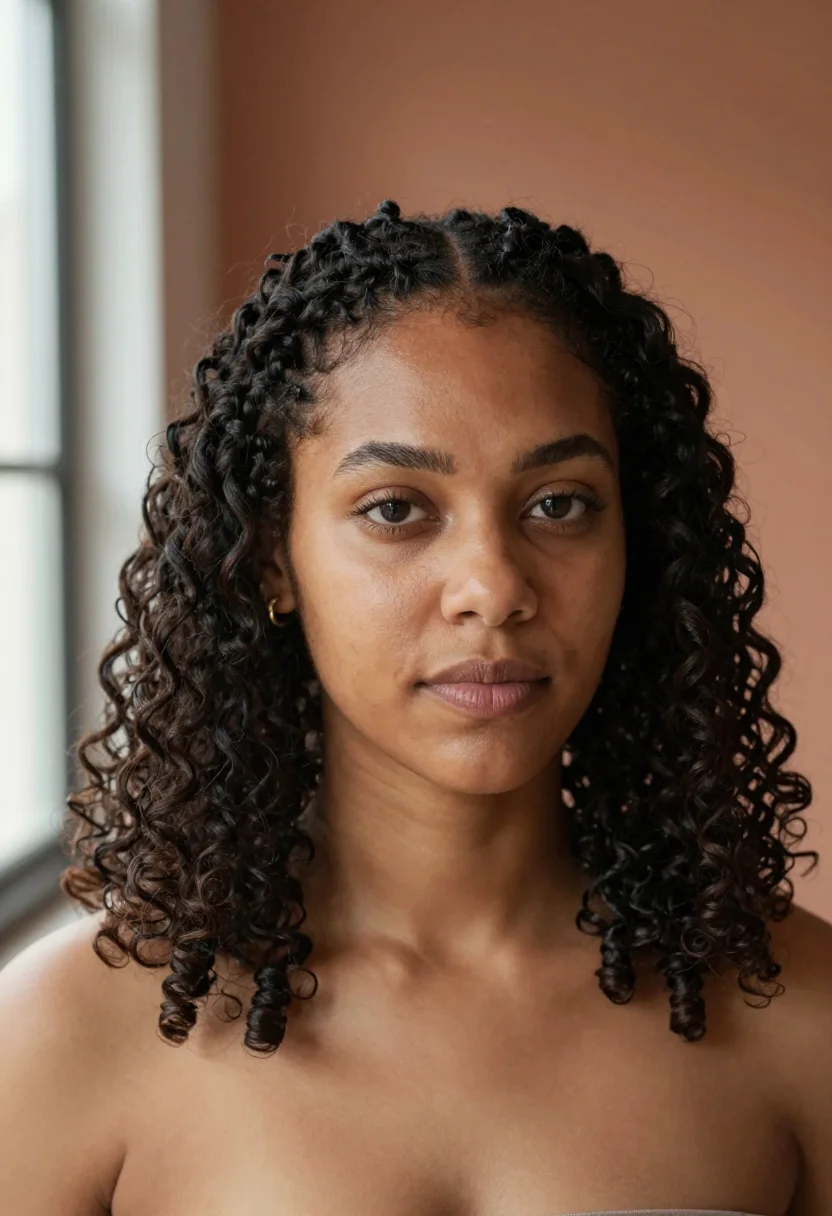
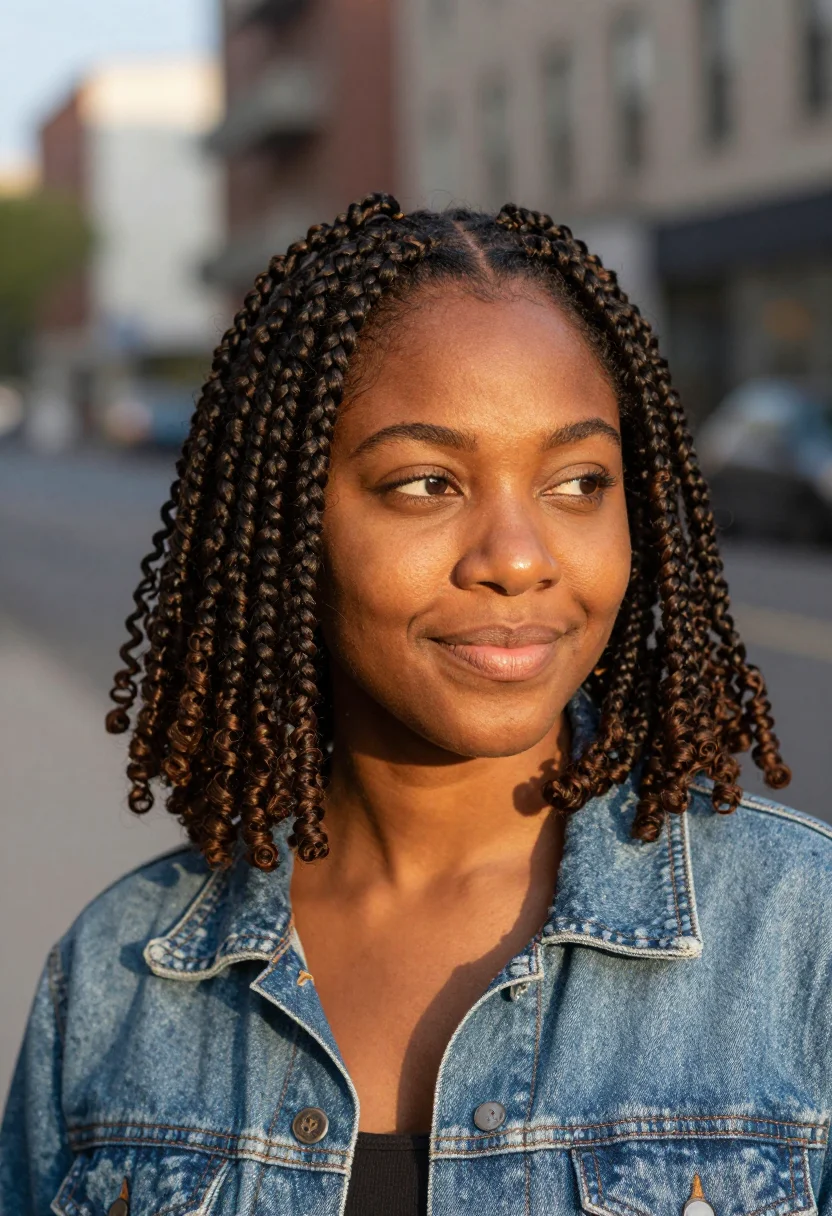
Crochet braid styles for a woman choosing crochet hair, looped onto cornrows with a hook as a protective style that goes in fast. The nine pictures show three looks: full water-wave curls, long faux locs with a top knot, and bob-length passion twists. Each look appears as a salon photo, a back view and an everyday street photo. Type a different direction, such as goddess locs, short curls or honey blonde, and the same three arrangements carry it.
- choosing a crochet style before a salon visit
- showing a stylist the look you want
- comparing lengths and textures side by side
- a mood board for a protective style
Frequently asked questions
- What do the nine pictures show?
- Three crochet styles, each in three photos: a salon photo, a back view and an everyday outdoor photo.
- What is the difference between the three styles?
- Water-wave curls are full and loose at shoulder length, faux locs are long with a slightly rough texture, and passion twists are bob-length, soft and springy.
- Can I ask for a different direction?
- Yes. The direction field takes a change such as goddess locs, short curls or honey blonde. The result is a request, not a promised picture.
- Are these photographs of a real person?
- No. They are rendered photo-style pictures of an imagined woman, not photographs of a real person.
About toile
This page is a showcase and a starting point: nine samples already rendered, three readings of the pack crossed with three styles, each shown at the size and ratio it was made for. Take any of them further on the wall with a few words, or ask for all nine again under your own direction; a sign-in keeps what you make, and it is free while Toile is new. The recipe behind each sample — the subject, the style, the palette, the framing — travels with the image rather than staying private to the render: it is in the alt text of every sample and in the page's own structured data, so a search engine reads the same handles a person would.