/bridal-makeup-charts · beauty
Bridal makeup charts: six steps, a trial sheet, a wedding-morning timeline
Make your ownBridal makeup charts
Describe yours. We'll remake the whole pack your way.
More like this
the whole catalog →
every sample — three subjects, three styles ↓
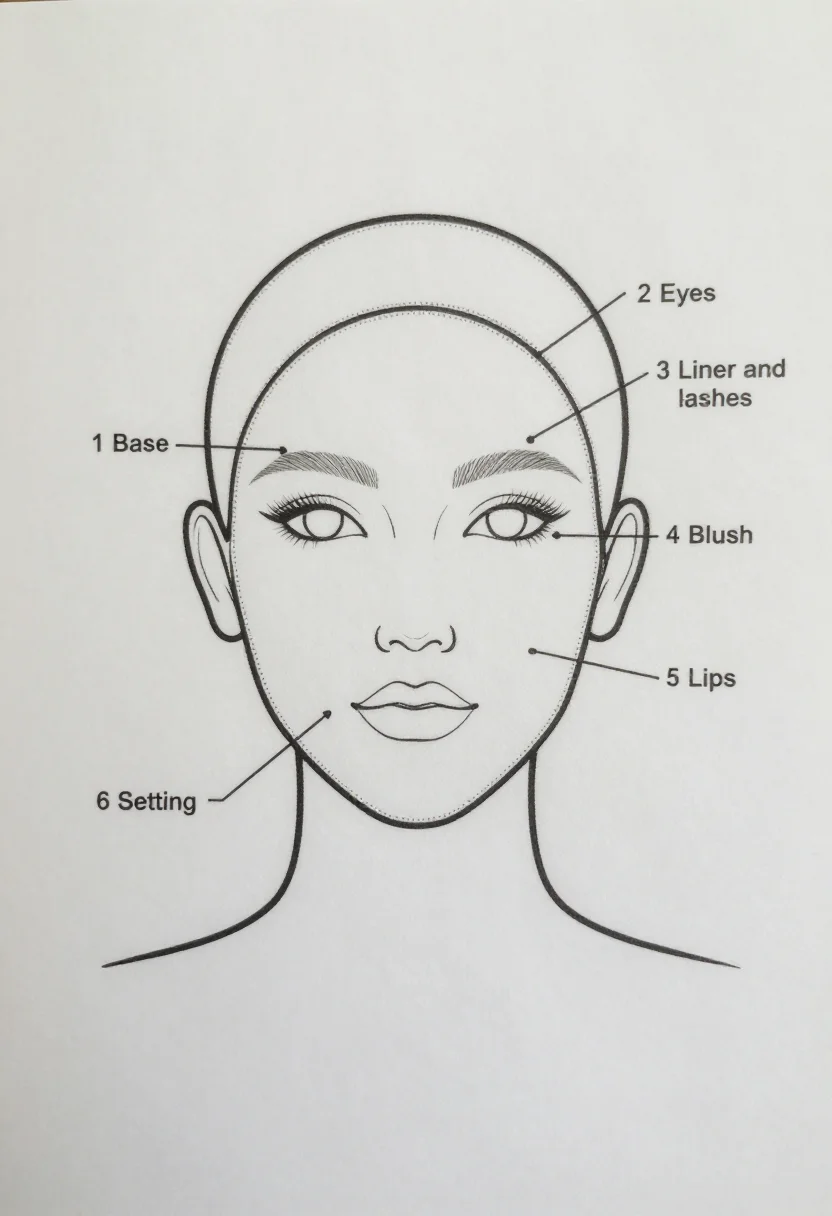
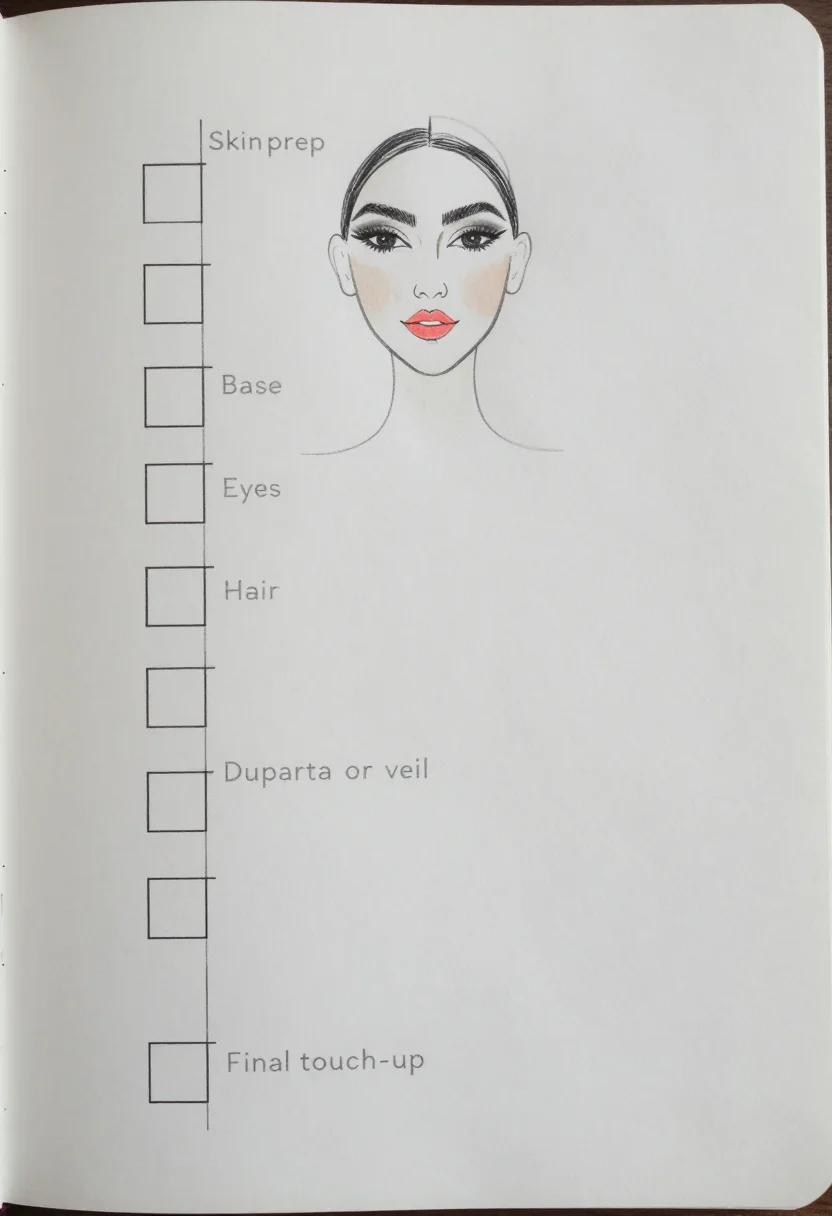
A bridal makeup chart sets the steps, products and timing for a bride and her artist. One picture builds a face in six numbered callouts: Base, Eyes, Liner and lashes, Blush, Lips and Setting. Another is a trial sheet with lines for Foundation, Eyes, Lips, Hair and Notes. A third is a morning timeline, from Skin prep to a final touch-up. Type a look, such as airbrush look, and the chart is drawn for it.
- planning the look with a makeup artist
- recording a trial appointment
- timing the morning of the wedding
- a shared plan for the bridal party
Frequently asked questions
- What is a trial sheet for?
- A trial sheet records the products and choices from a test run, so the look can be repeated on the day.
- How long should the morning take?
- The timeline has a blank time box beside each step, so you can fill in the times that suit your own morning.
- Can I type a different look?
- Yes. Type the look you want, such as deep skin tone, and the chart is drawn for it in place of the steps shown.
- What do the three styles look like?
- The line chart has thin black outlines with dotted areas, the soft tint lays each area in rose, bronze and berry, and the artist's sketch is loose ink with a coral accent.
About toile
This page is a showcase and a starting point: nine samples already rendered, three readings of the pack crossed with three styles, each shown at the size and ratio it was made for. Take any of them further on the wall with a few words, or ask for all nine again under your own direction; a sign-in keeps what you make, and it is free while Toile is new. The recipe behind each sample — the subject, the style, the palette, the framing — travels with the image rather than staying private to the render: it is in the alt text of every sample and in the page's own structured data, so a search engine reads the same handles a person would.