/brow-shape-stencils · beauty
Brow shape stencil: classic shapes, by thickness, trace and cut
Make your ownBrow shape stencils
Describe yours. We'll remake the whole pack your way.
More like this
the whole catalog →

every sample — three subjects, three styles ↓
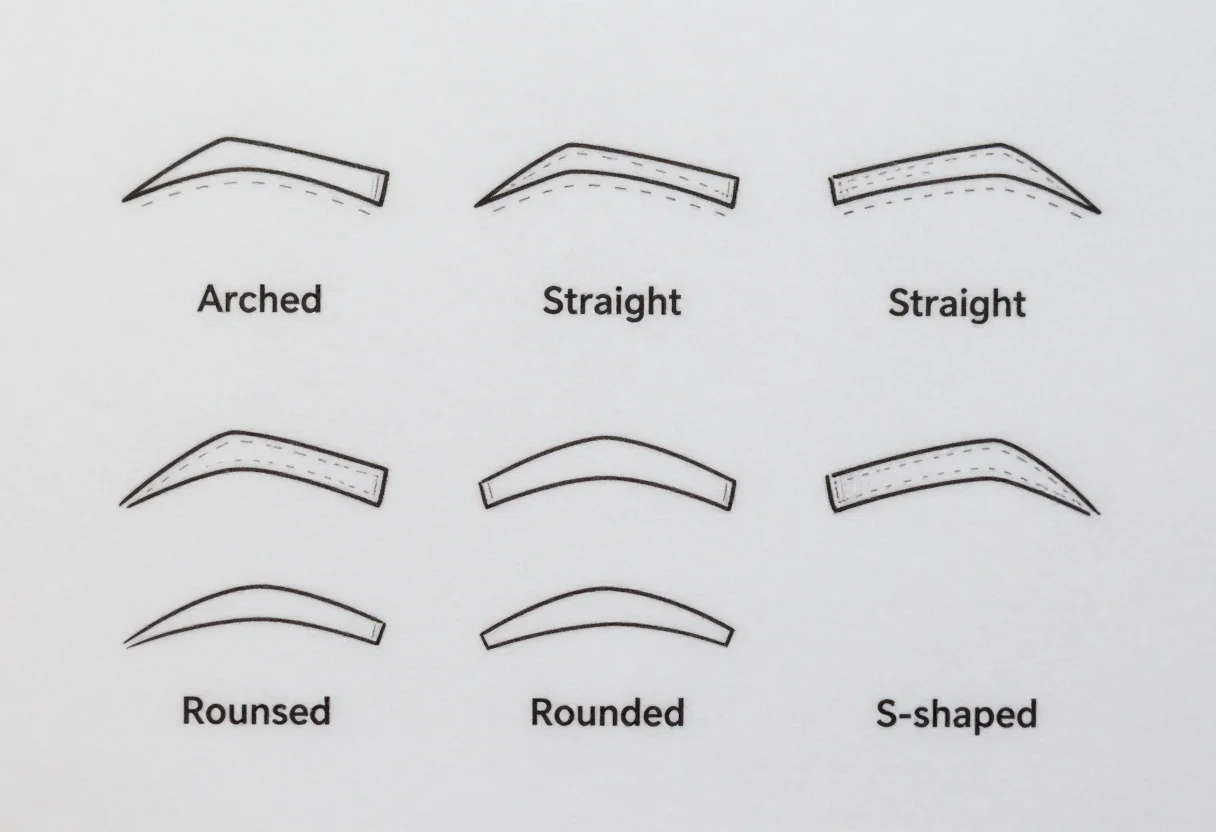
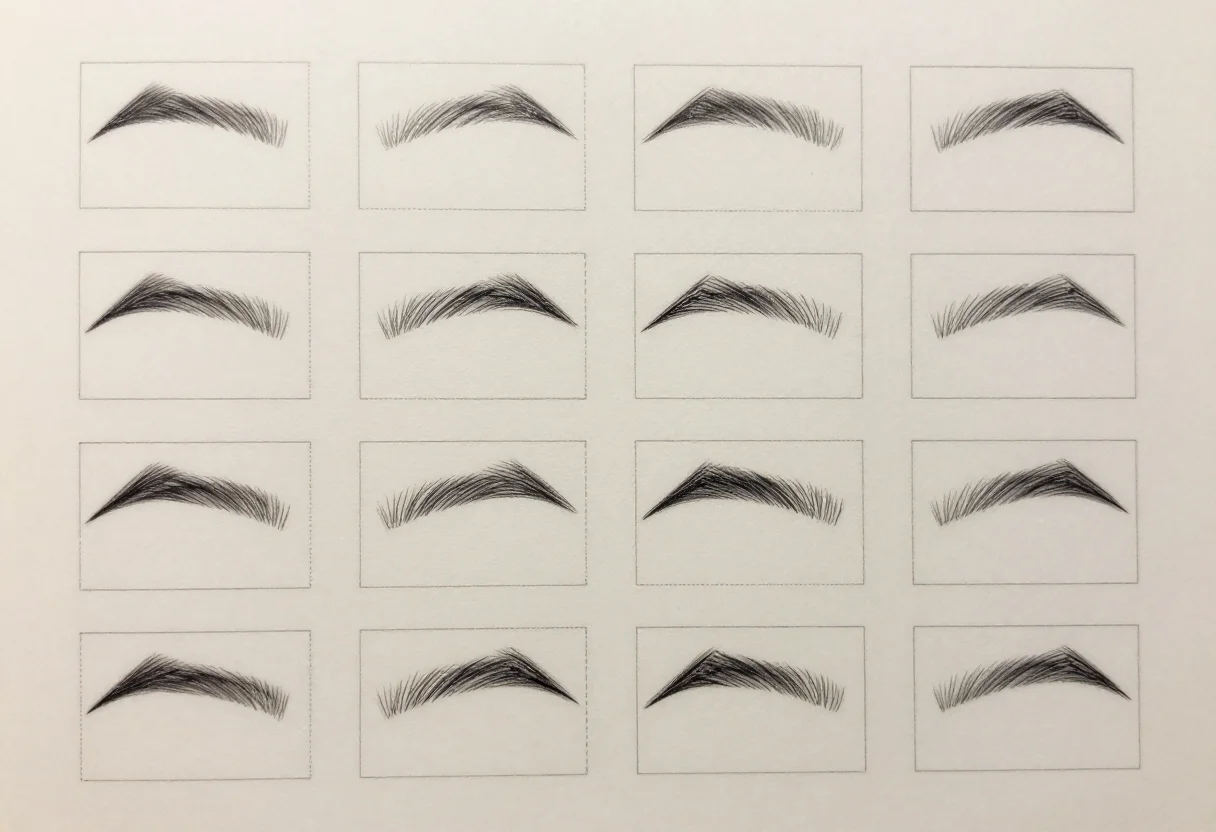
People shaping their own brows print stencil sheets to cut out and hold over the brow as a guide. The nine pictures show five brow shapes in outline, each pair labelled, the same arched brow in thin, natural and bold widths, and blank stencil cards with a dotted brow guide to trace. Type a different subject or twist, such as thick brows, and the page asks for it in the same three styles.
- cutting a stencil to hold over your brow
- choosing a brow shape before you shape
- a blank card to trace your own brow
- a printed sheet for a brow class
Frequently asked questions
- Can I print them?
- Yes. The pages are set out with dashed cut lines around each shape, so you can print them and cut them out.
- Which shapes are on the sheet?
- Five brow pairs labelled Arched, Straight, Soft angled, Rounded and S-shaped, each with a dashed cut line around it.
- What is the difference between the styles?
- Line sheet is clean black outlines with a dashed cut line around each brow. Soft shade fills each brow in flat light gray. Hand sketch is loose fine-ink line with fine hair strokes inside each brow.
- Can I ask for a different subject?
- Yes. Type a direction, such as bold brows, and the page asks for that subject in the same three styles. It is a request, not a guaranteed result.
About toile
This page is a showcase and a starting point: nine samples already rendered, three readings of the pack crossed with three styles, each shown at the size and ratio it was made for. Take any of them further on the wall with a few words, or ask for all nine again under your own direction; a sign-in keeps what you make, and it is free while Toile is new. The recipe behind each sample — the subject, the style, the palette, the framing — travels with the image rather than staying private to the render: it is in the alt text of every sample and in the page's own structured data, so a search engine reads the same handles a person would.