/brutalism · style
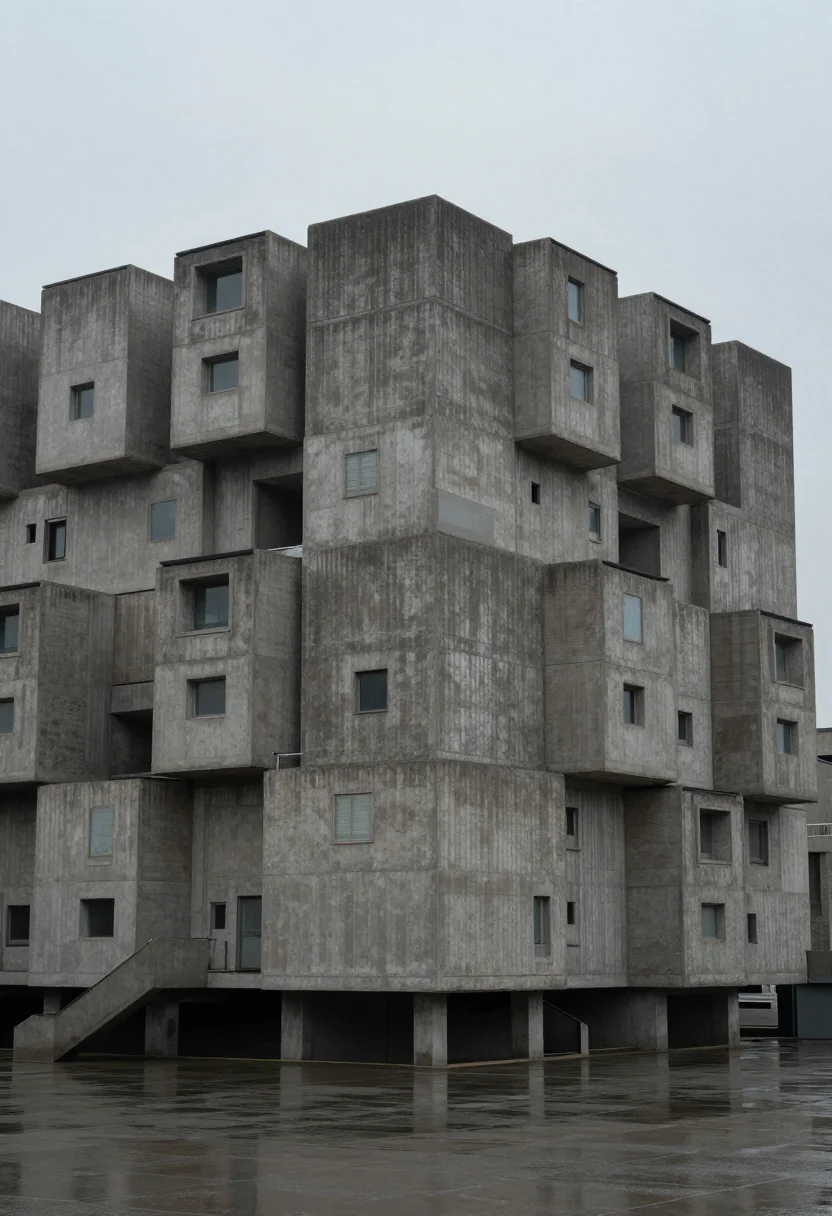
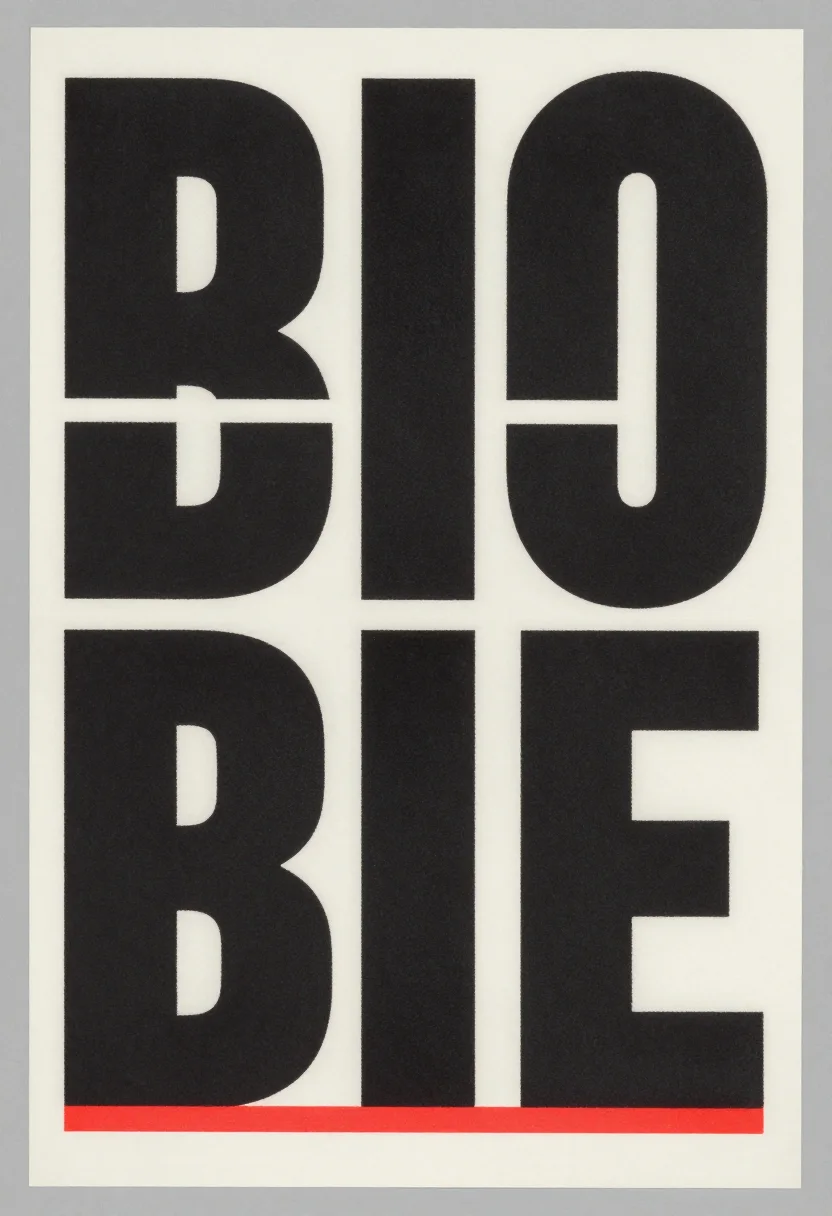
Brutalist design: a housing block, a spiral car-park ramp and a type poster
Make your ownBrutalism
Describe yours. We'll remake the whole pack your way.
More like this
the whole catalog →
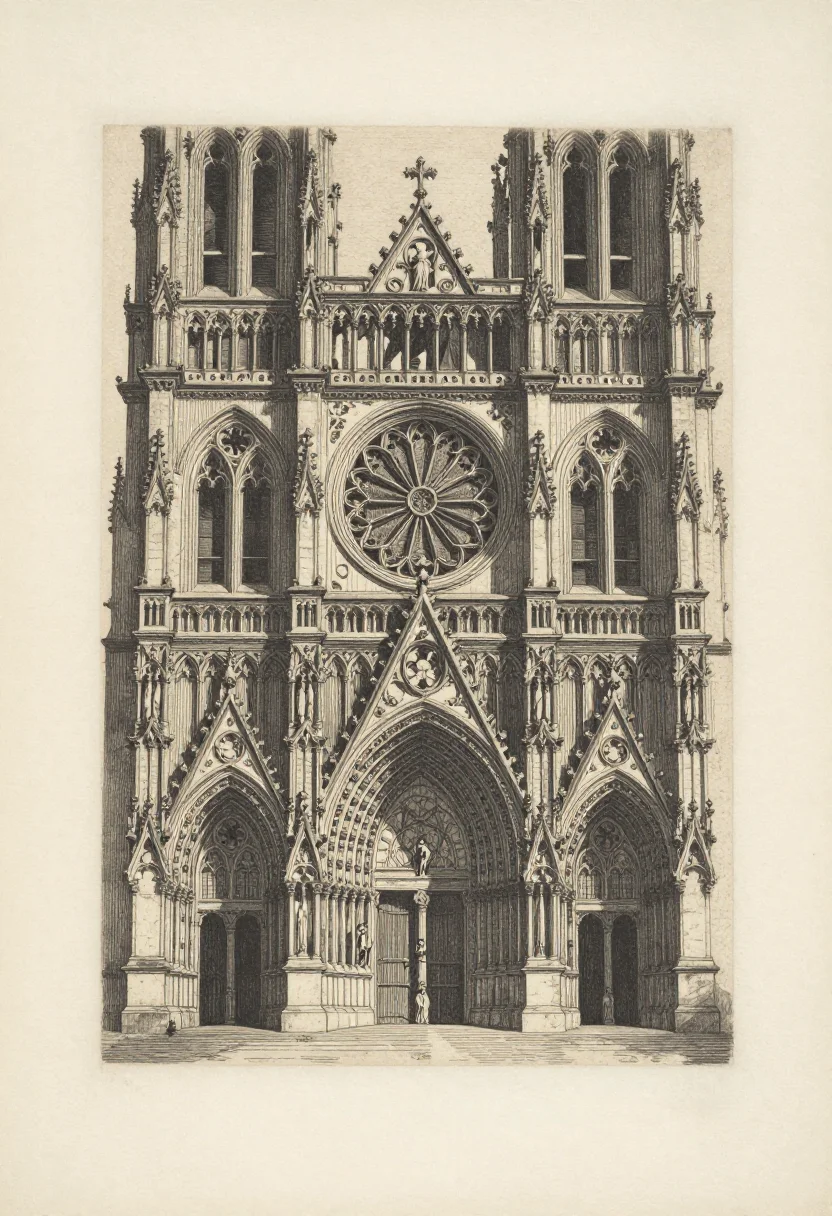
every sample — three subjects, three styles ↓
Brutalism takes raw concrete as a taste — the word has migrated from buildings to graphic design and back. These nine cross a stepped board-marked housing block, the underside of a spiral car-park ramp and a heavy black-type poster, rendered as an overcast architectural photograph, an architect's ink section and a two-colour riso print. Ask for your own building or object and the same concrete weight redraws it.
- an architecture print for a study or office
- a phone or desktop wallpaper
- a print for a concrete-and-black interior
- reference art for an architecture project
Frequently asked questions
- What size do these print at?
- Each image is drawn in portrait format (832×1216) with an even margin — prints clean on A4 held vertically.
- Can I use my own subject instead of the three shown?
- Yes — that's what the direction field on the page is for. Type your own idea and the same three hands draw it in the same three styles.
- Can I get a different building, like a church?
- Yes — type your own building (a brutalist church is the built-in example) and the same three concrete renderings redraw it.
- Is this real historical artwork, or new images?
- These are new images drawn in the spirit of overcast architectural photography, architect's ink sectioning and two-colour riso printing — not scans or reproductions of existing work.
About toile
This page is a showcase and a starting point: nine samples already rendered, three readings of the pack crossed with three styles, each shown at the size and ratio it was made for. Take any of them further on the wall with a few words, or ask for all nine again under your own direction; a sign-in keeps what you make, and it is free while Toile is new. The recipe behind each sample — the subject, the style, the palette, the framing — travels with the image rather than staying private to the render: it is in the alt text of every sample and in the page's own structured data, so a search engine reads the same handles a person would.