/egyptian-hieroglyphic · style
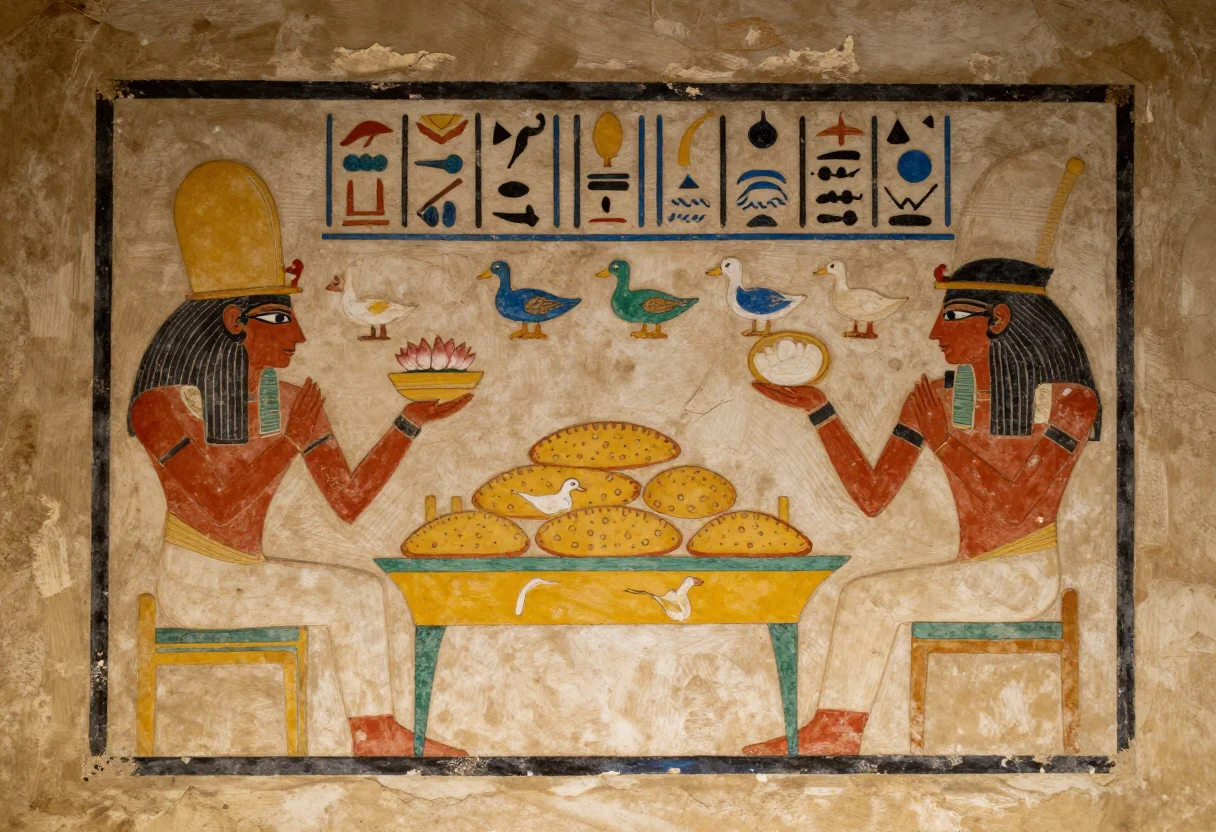
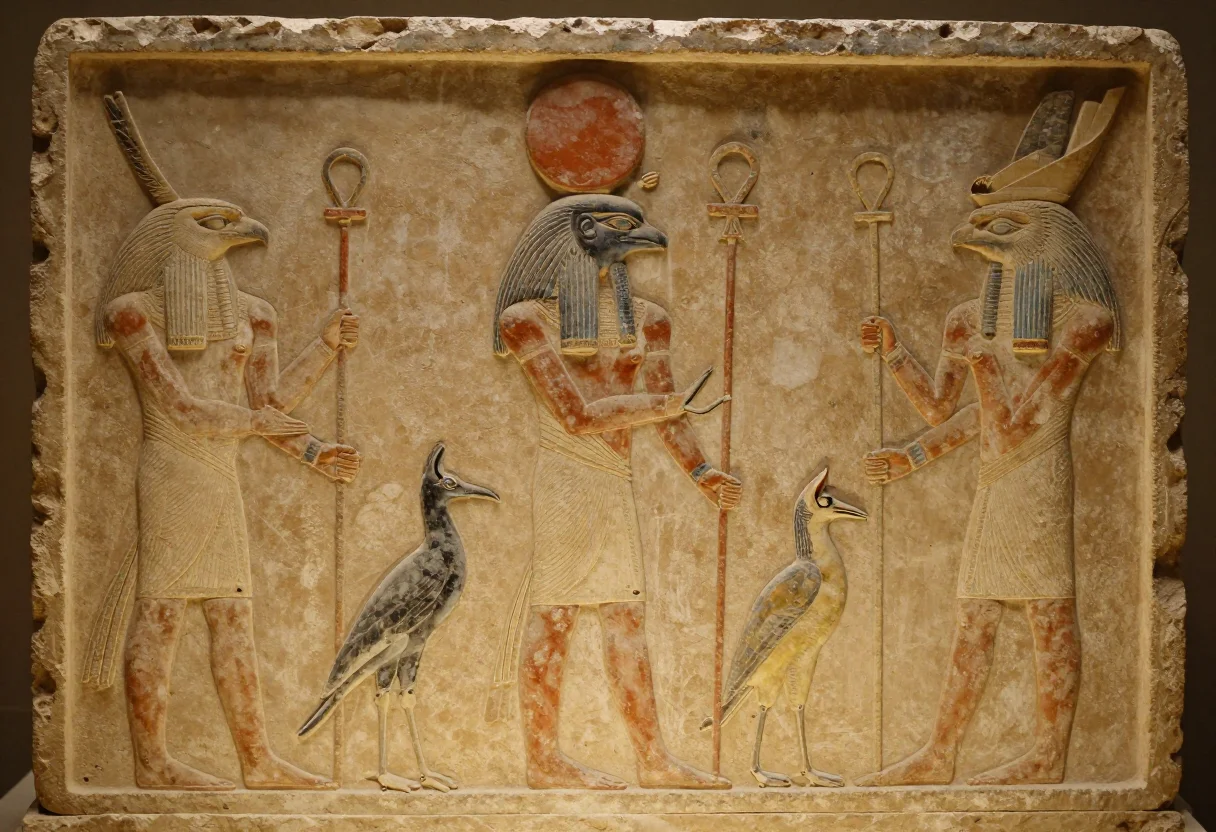
Egyptian wall painting: an offering scene, a marsh hunt and a procession of gods
Make your ownEgyptian wall painting
Describe yours. We'll remake the whole pack your way.
More like this
the whole catalog →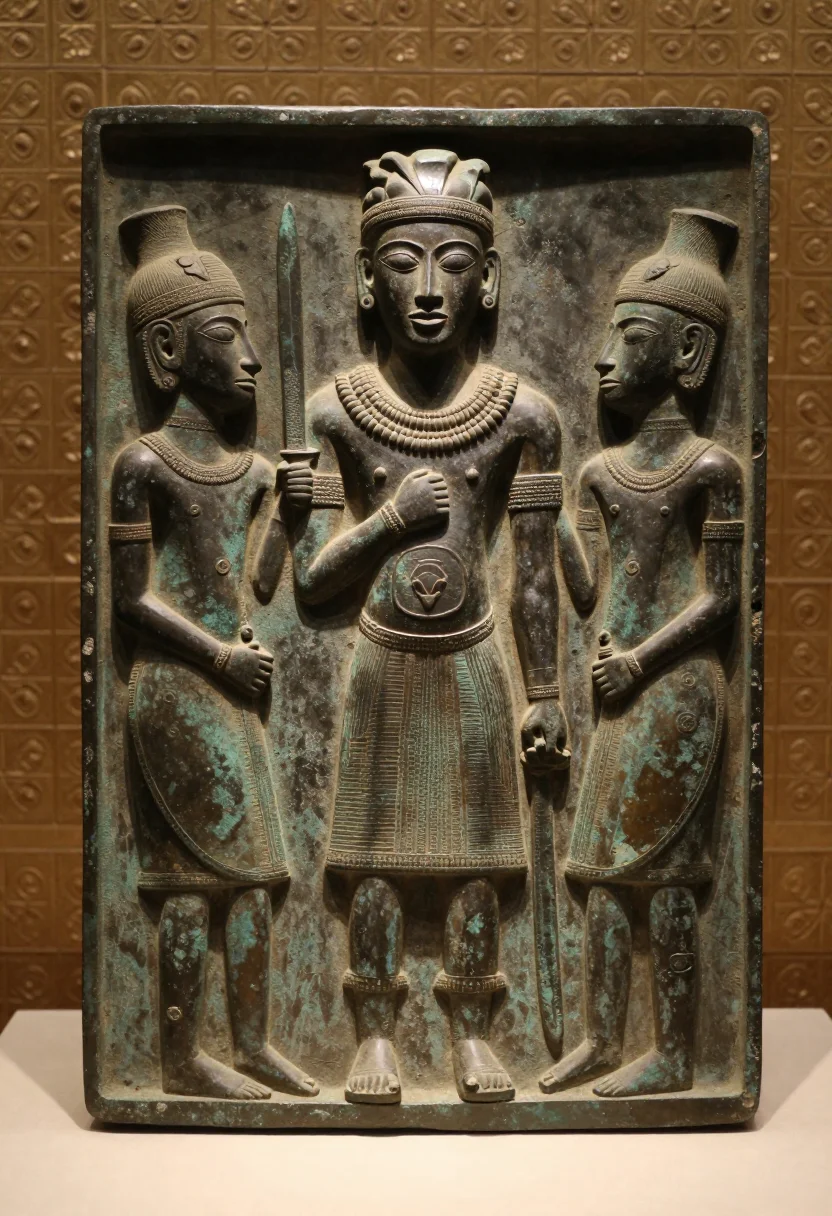

every sample — three subjects, three styles ↓
Egyptian wall painting stacks its figures in bands: a profile head with a frontal eye, six flat pigments, columns of glyph shapes between the registers. These nine render an offering scene, a marsh hunt and a procession of animal-headed gods, as a tomb-wall painting, a painted papyrus, or a carved sunk relief. Ask for a solar boat or a cat goddess instead and the same three finishes redraw it.
- a wall print for a study or living room
- a gift referencing ancient Egyptian art
- a set of three for a themed gallery wall
- a classroom or history-lesson print
Frequently asked questions
- What size do these print at?
- Each image is drawn in landscape format (1216×832) with an even margin — prints clean at A4 or A3 held horizontally.
- Can I use my own scene instead of the three shown?
- Yes — the direction field takes your own idea, such as a solar boat or a cat goddess, and the same three finishes draw it.
- What's the difference between the three finishes?
- Tomb wall is flat mineral pigment on plaster with a chipped surface; papyrus reads as painted fibrous paper with crisp outline; carved relief renders it as sunk-relief stone under raking light.
- Is this a reproduction of a real tomb?
- These are new images drawn in the style of ancient Egyptian wall painting — not reproductions of a specific tomb or papyrus.
About toile
This page is a showcase and a starting point: nine samples already rendered, three readings of the pack crossed with three styles, each shown at the size and ratio it was made for. Take any of them further on the wall with a few words, or ask for all nine again under your own direction; a sign-in keeps what you make, and it is free while Toile is new. The recipe behind each sample — the subject, the style, the palette, the framing — travels with the image rather than staying private to the render: it is in the alt text of every sample and in the page's own structured data, so a search engine reads the same handles a person would.