/chinese-lantern-templates · season
Chinese lantern templates: slit, round, rabbit
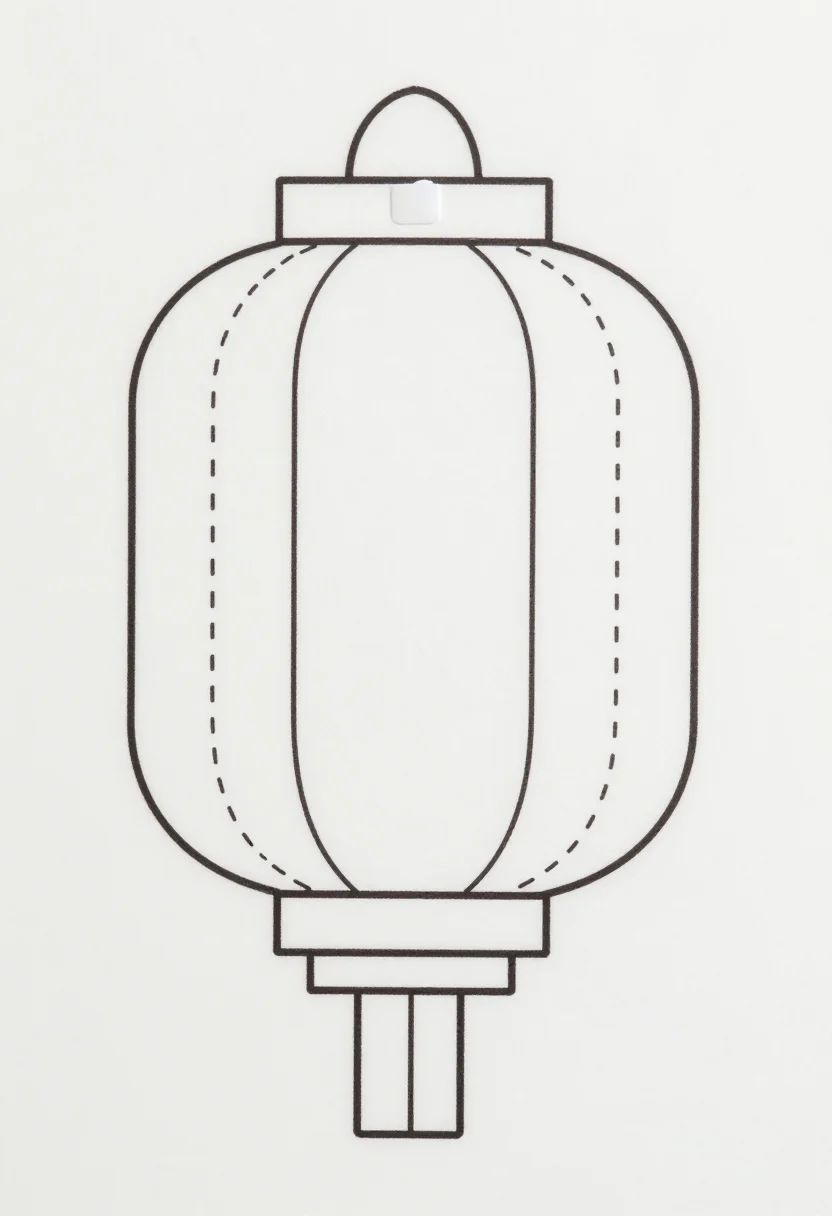
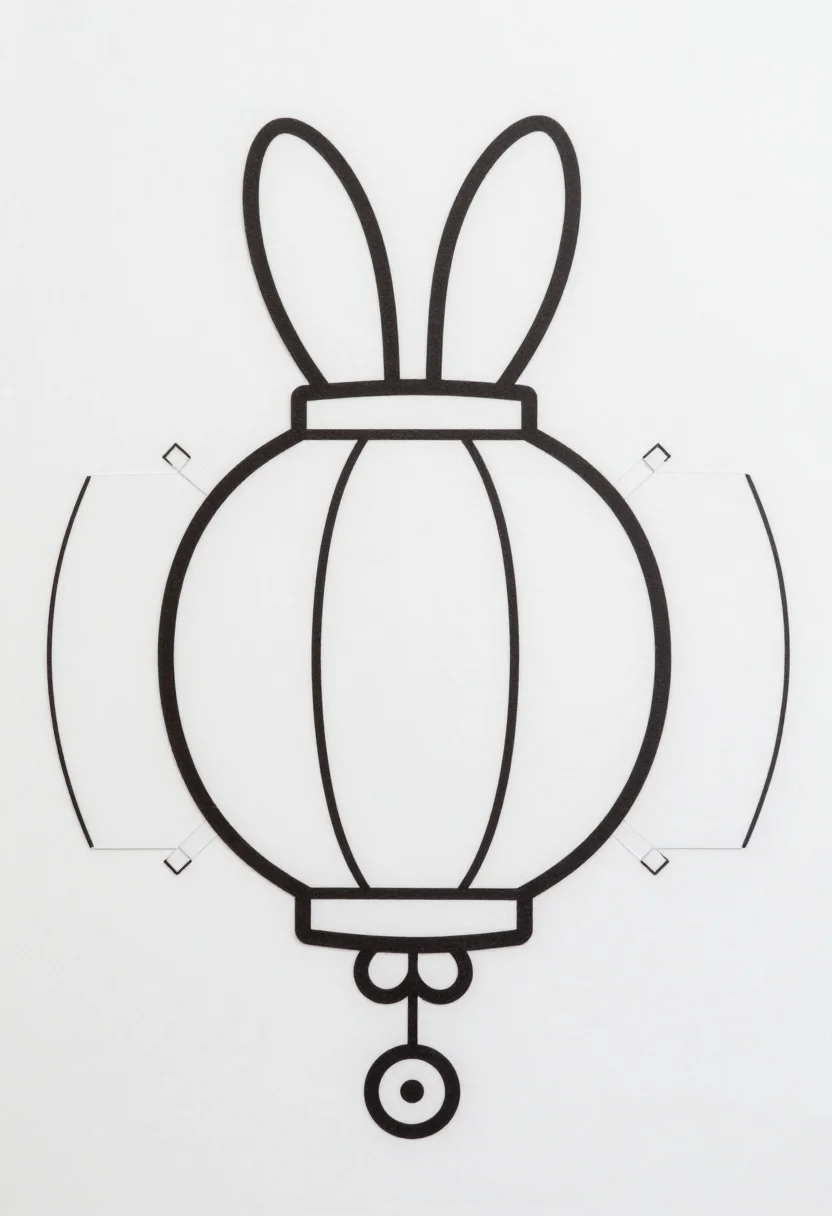
Make your ownChinese lantern templates
Describe yours. We'll remake the whole pack your way.
More like this
the whole catalog →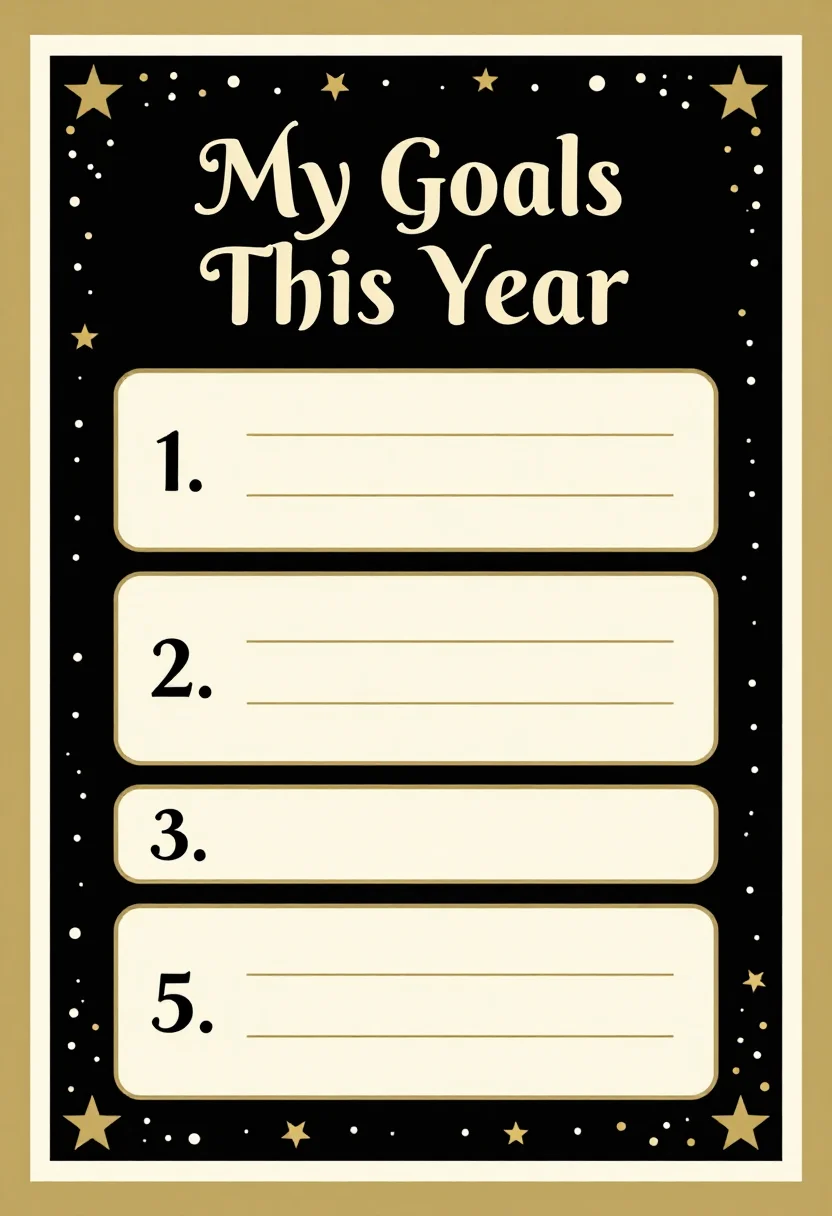


every sample — three subjects, three styles ↓
Paper lantern templates for a classroom, a family craft afternoon or the Lantern Festival on the fifteenth day of the New Year. Each sheet lays the pieces out flat: solid cut lines, dashed fold lines, marked glue tabs. The three lanterns are a slit lantern with evenly spaced cuts, a round lantern of six curved panels, and a rabbit lantern in pieces. Type another shape, such as a sky lantern, and the sheet carries it.
- A classroom craft for the Lantern Festival
- A family craft afternoon
- A lantern display for a school hall
- A group project for young children
Frequently asked questions
- How do I make the lantern?
- Print the sheet, cut the solid lines, fold the dashed lines and glue the tabs to close the shape.
- What is the difference between the three styles?
- Plain is a bare template for children to colour, patterned has cloud, blossom and lattice drawn on the panels, and classroom has bold lines and large pieces for small hands.
- When is the Lantern Festival?
- It falls on the fifteenth day of the New Year, the night when lanterns are hung and riddles are guessed.
- Can I change the lantern shape?
- Yes. Type another shape and the result may differ from the sample; the cut, fold and glue marks stay as drawn.
About toile
This page is a showcase and a starting point: nine samples already rendered, three readings of the pack crossed with three styles, each shown at the size and ratio it was made for. Take any of them further on the wall with a few words, or ask for all nine again under your own direction; a sign-in keeps what you make, and it is free while Toile is new. The recipe behind each sample — the subject, the style, the palette, the framing — travels with the image rather than staying private to the render: it is in the alt text of every sample and in the page's own structured data, so a search engine reads the same handles a person would.