/coffee-ratio-charts · home
Coffee ratio charts: coffee to water, espresso drinks, grind size
Make your ownCoffee ratio charts
Describe yours. We'll remake the whole pack your way.
More like this
the whole catalog →
every sample — three subjects, three styles ↓
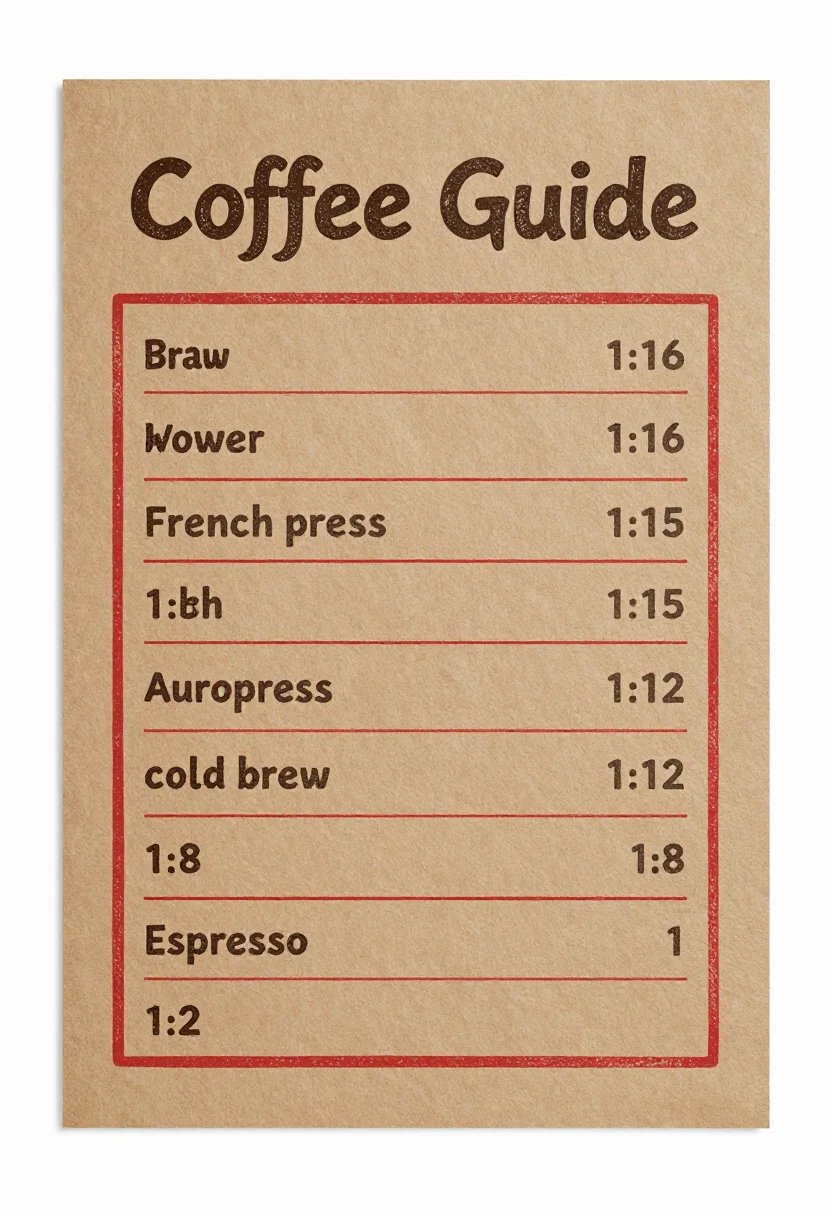
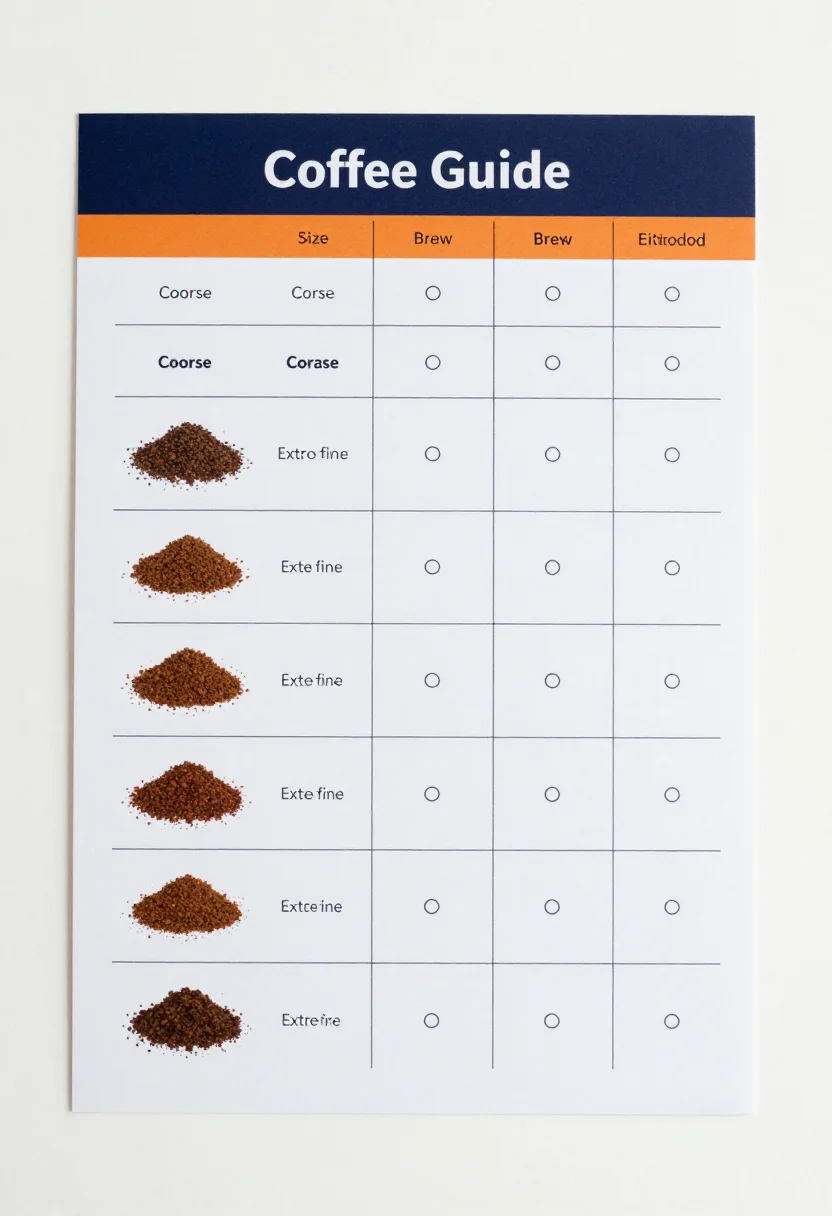
Coffee ratio charts for the counter by the grinder or a café menu board. The pictures give the coffee to water ratio for pour-over, French press, AeroPress, cold brew and espresso, with grams for one cup. Espresso drinks appear as cut-away cups, with the espresso, milk and foam of each drawn in layers. A grind size chart runs from extra coarse to extra fine. Type cold brew or decaf as the direction and the same styles carry it.
- the counter by the grinder
- a café menu board
- a home brewing corner
- a barista training sheet
Frequently asked questions
- Which ratios are given?
- Pour-over 1:16, French press 1:15, AeroPress 1:12, cold brew 1:8 and espresso 1:2, with grams of coffee and water for one cup.
- What do the layered cups show?
- Espresso, macchiato, cappuccino, latte, flat white and mocha, each drawn with its layers of espresso, milk and foam labelled.
- How does the grind chart work?
- It runs from extra coarse to extra fine, with a pile of grounds drawn for each step and the brew method written beside it.
- Are these ratios a rule?
- They are starting points; taste and strength change with the bean, the grind and the water.
About toile
This page is a showcase and a starting point: nine samples already rendered, three readings of the pack crossed with three styles, each shown at the size and ratio it was made for. Take any of them further on the wall with a few words, or ask for all nine again under your own direction; a sign-in keeps what you make, and it is free while Toile is new. The recipe behind each sample — the subject, the style, the palette, the framing — travels with the image rather than staying private to the render: it is in the alt text of every sample and in the page's own structured data, so a search engine reads the same handles a person would.