/knotless-braid-styles · beauty
Knotless braid styles: mid-back, bohemian, short with beads
Make your ownKnotless braid styles
Describe yours. We'll remake the whole pack your way.
More like this
the whole catalog →
every sample — three subjects, three styles ↓
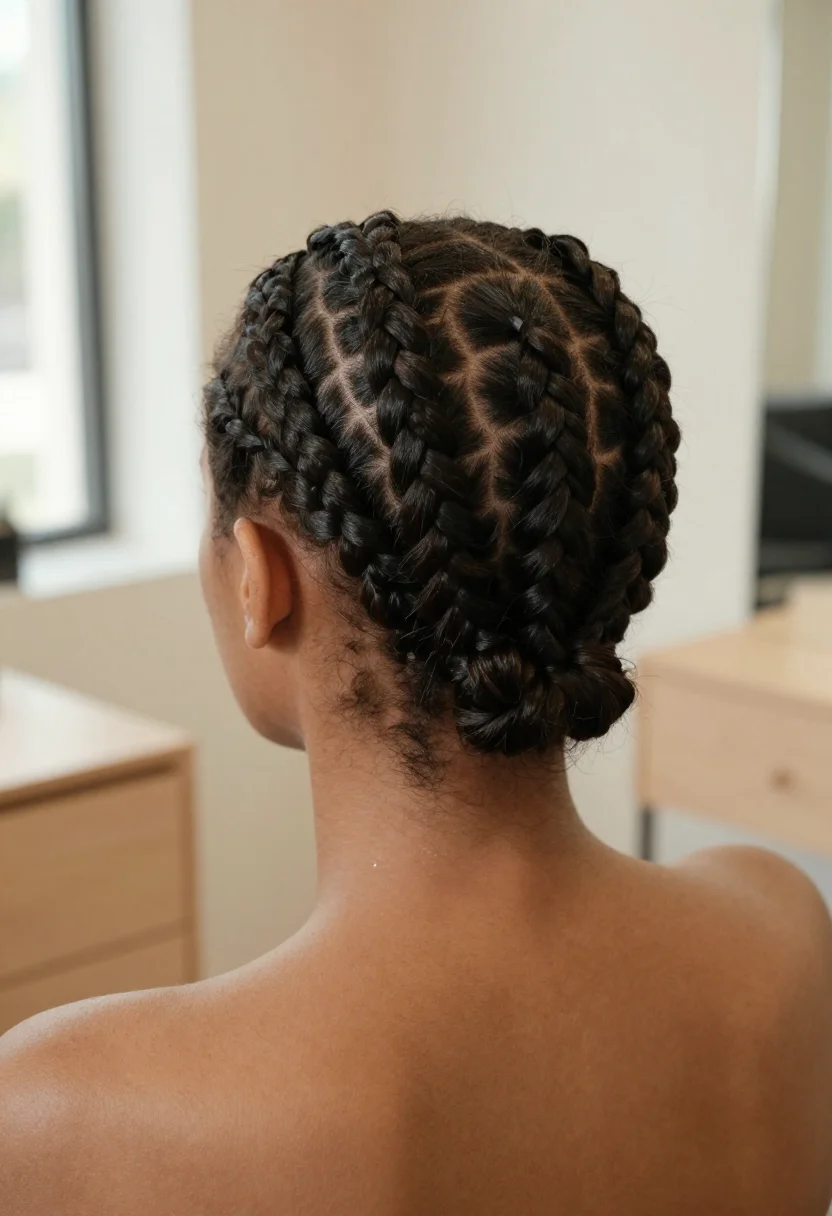
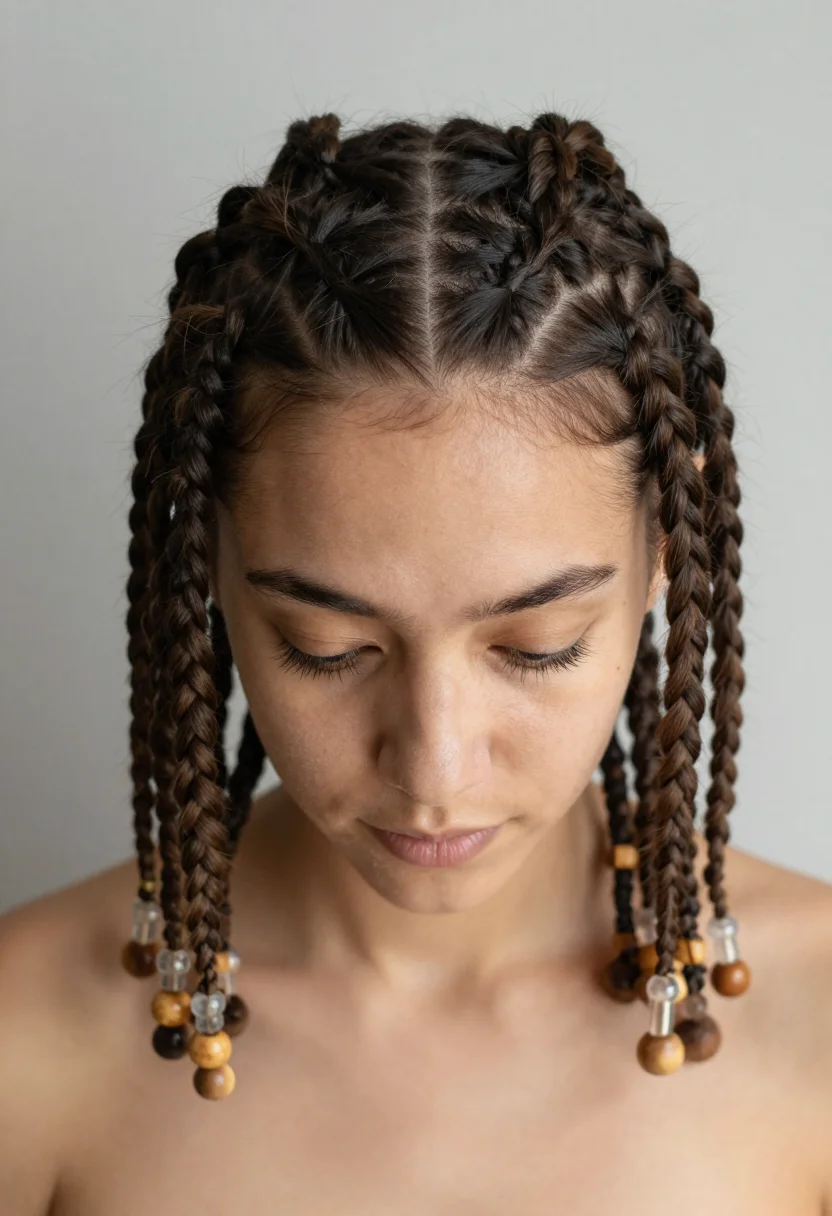
Knotless braids start flat from the hair's own roots, with no knot at the base. Three forms are shown: small braids to mid-back worn loose, long bohemian braids with curly strands left through the length, and chin-length braids finished with beads. One picture is a close view of the root, so the flat start can be seen. Type a colour or length, such as copper, to ask for that version.
- a length and finish to agree with a braider
- a reference for how the root should start
- a bead choice for a short braid
- a look for a holiday
Frequently asked questions
- What does knotless mean?
- The braid starts flat from your own hair with no knot at the root, which is why the parting stays smooth.
- What is the difference between the three styles?
- Mid-back braids are small and worn loose, bohemian braids have curly pieces left through the length, and the short braids end in beads.
- Are these real photographs of people?
- No. They are generated images made to show each style, not photographs of a named person.
About toile
This page is a showcase and a starting point: nine samples already rendered, three readings of the pack crossed with three styles, each shown at the size and ratio it was made for. Take any of them further on the wall with a few words, or ask for all nine again under your own direction; a sign-in keeps what you make, and it is free while Toile is new. The recipe behind each sample — the subject, the style, the palette, the framing — travels with the image rather than staying private to the render: it is in the alt text of every sample and in the page's own structured data, so a search engine reads the same handles a person would.