/crystals · divination
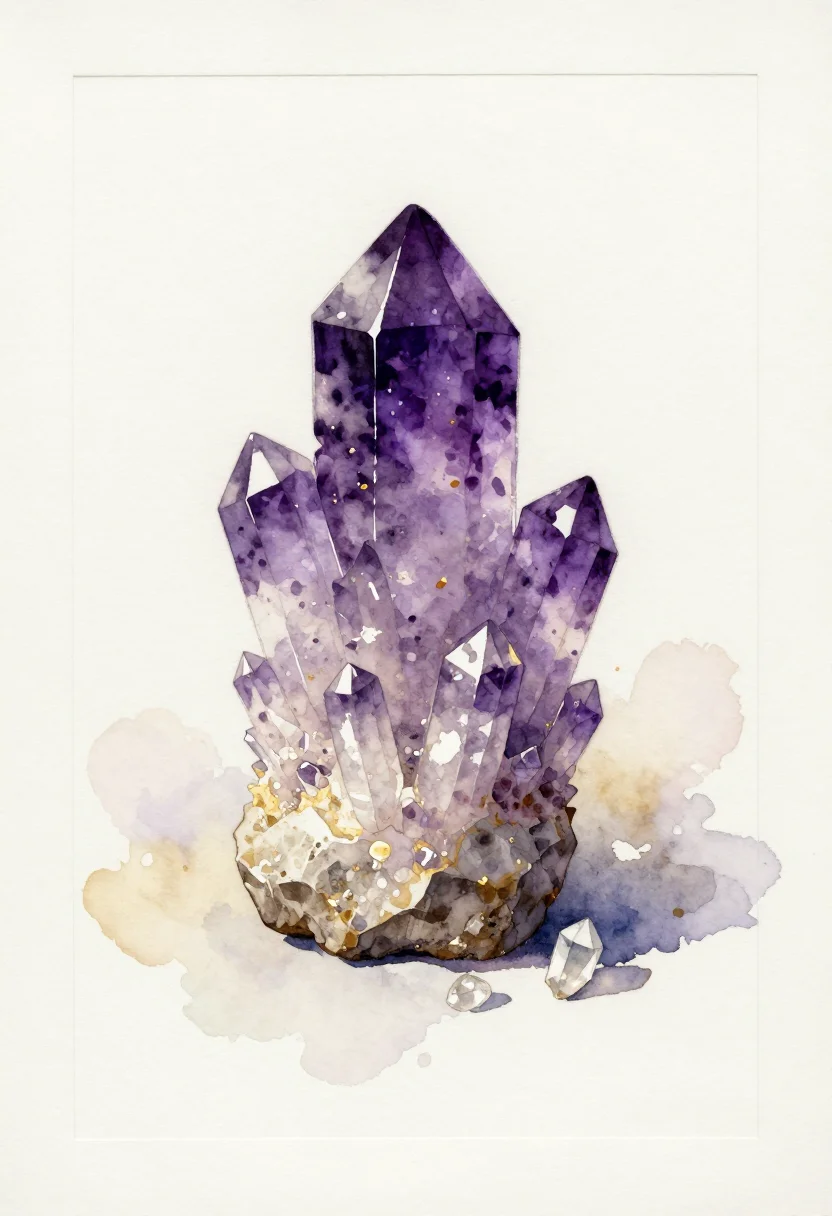
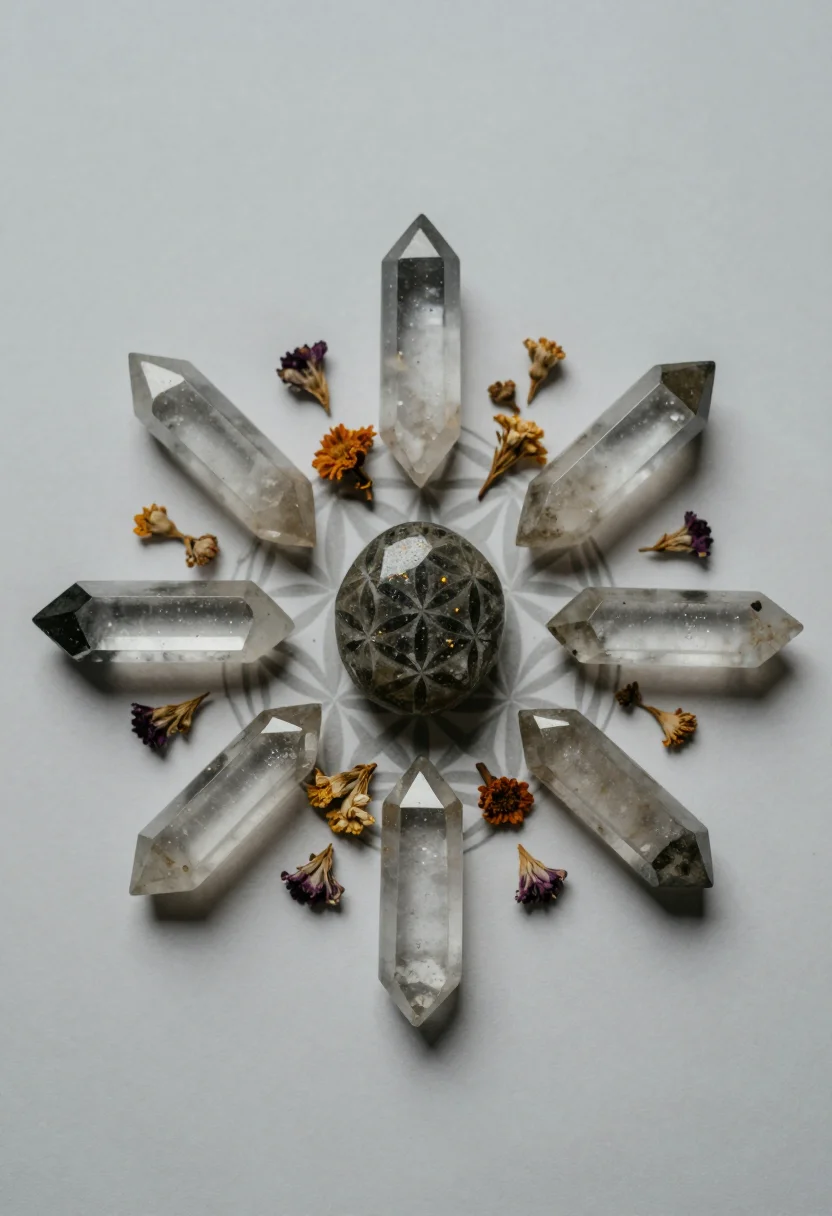
Crystal art: amethyst cluster, tumbled stone row, crystal grid
Make your ownCrystals
Describe yours. We'll remake the whole pack your way.
More like this
the whole catalog →

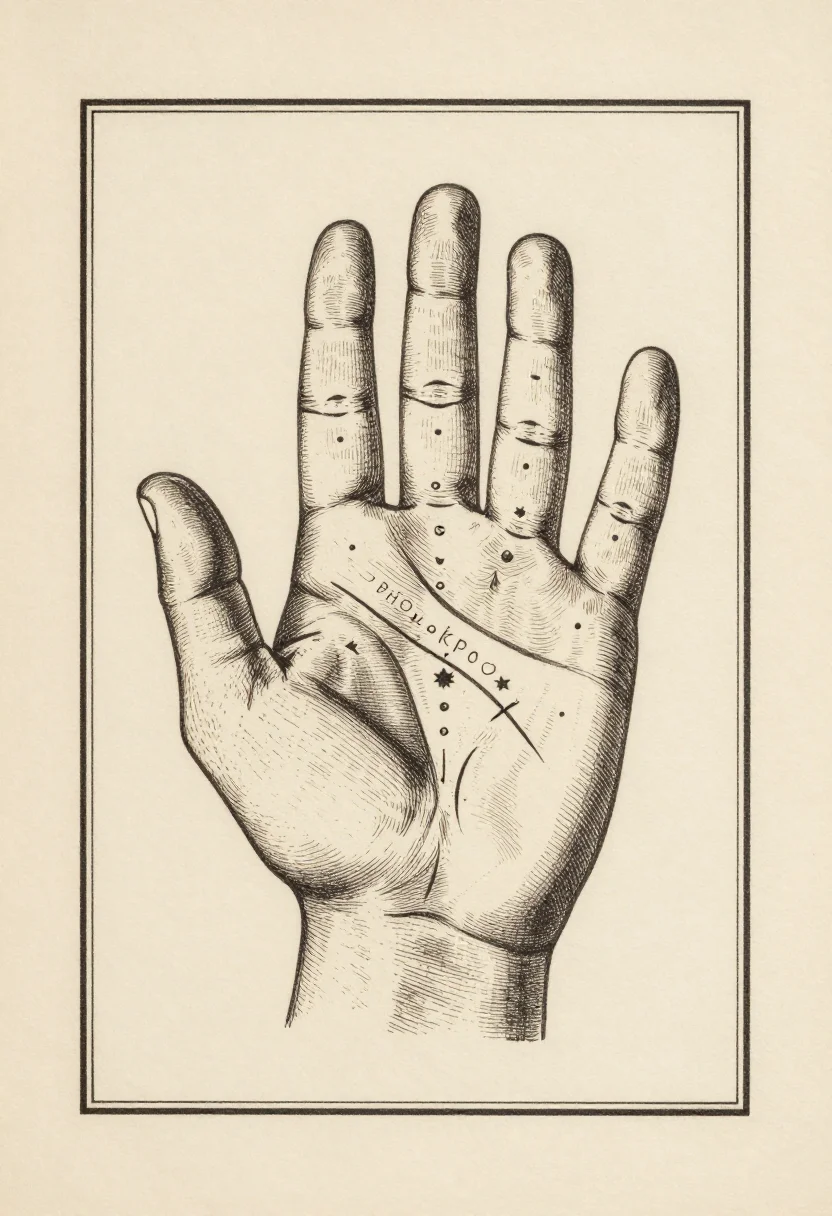
every sample — three subjects, three styles ↓
The crystal shelf renders three ways: an amethyst cluster, a row of tumbled stones sorted by colour, and a crystal grid laid on cloth. Watercolor, flat and photo styles set the facets and glow of each differently. Ask for a different stone and the same three readings carry it.
- a shelf or altar wall print
- a coloring page
- a gift print for a crystal collector
- a phone wallpaper
- a journal or grid-layout reference
Frequently asked questions
- What size do these print at?
- Each print is drawn at A3 proportions with an even margin, so it prints clean at A3 or scales down to A4.
- Can I get a different crystal, like rose quartz or citrine?
- Yes — the direction field takes any stone, and the same three readings and styles render it.
- What's the difference between the three styles?
- Watercolor renders the stones in soft painted washes; flat uses simple bold shape and colour with no shading; photo aims for a realistic rendered likeness of the stones.
- Is the crystal grid a specific ritual layout?
- It's a generic grid-on-cloth arrangement for the composition, not a reproduction of any named practitioner's specific grid pattern.
- Can I print this as a coloring page?
- The flat style's clean outlines work well for coloring; ask for that style if a linework version is what you want.
About toile
This page is a showcase and a starting point: nine samples already rendered, three readings of the pack crossed with three styles, each shown at the size and ratio it was made for. Take any of them further on the wall with a few words, or ask for all nine again under your own direction; a sign-in keeps what you make, and it is free while Toile is new. The recipe behind each sample — the subject, the style, the palette, the framing — travels with the image rather than staying private to the render: it is in the alt text of every sample and in the page's own structured data, so a search engine reads the same handles a person would.