/cursive-tracing · classroom
Cursive tracing: one cursive letter, letter joins, short words
Make your ownCursive tracing
Describe yours. We'll remake the whole pack your way.
More like this
the whole catalog →
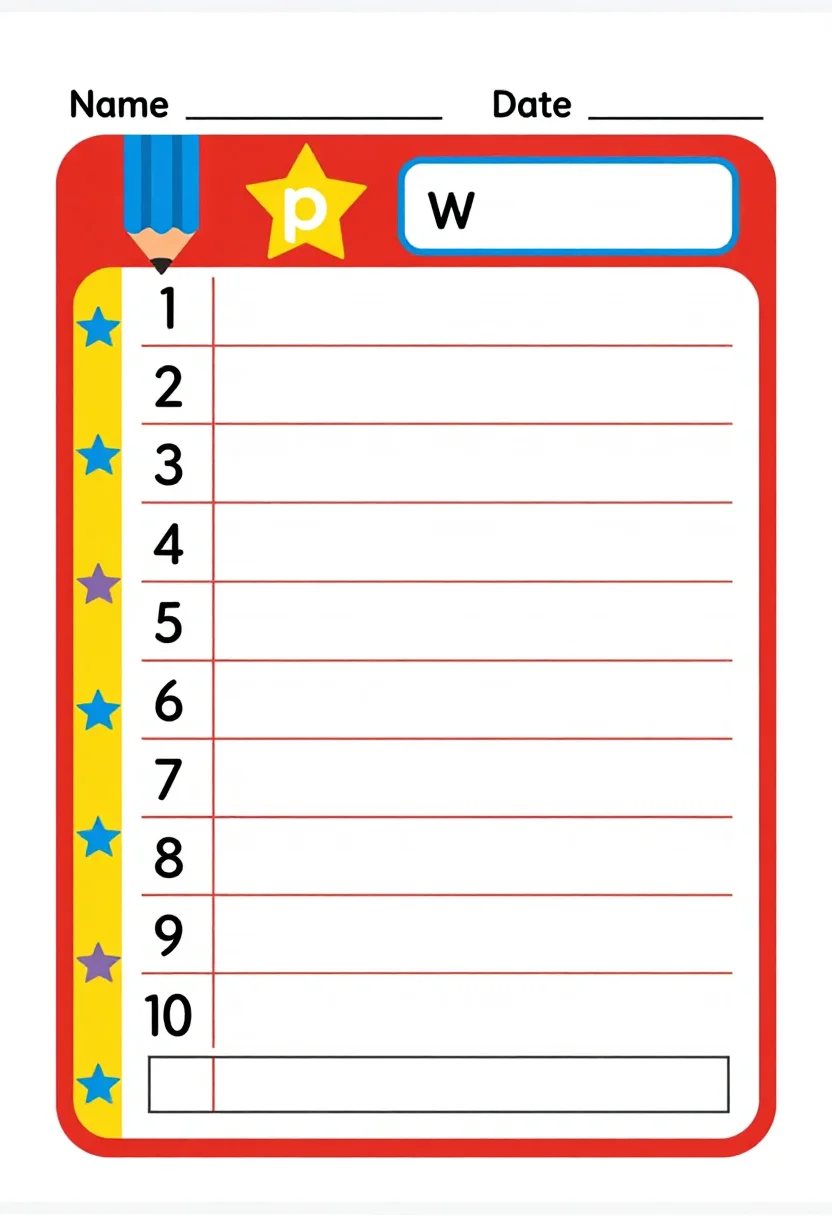
every sample — three subjects, three styles ↓
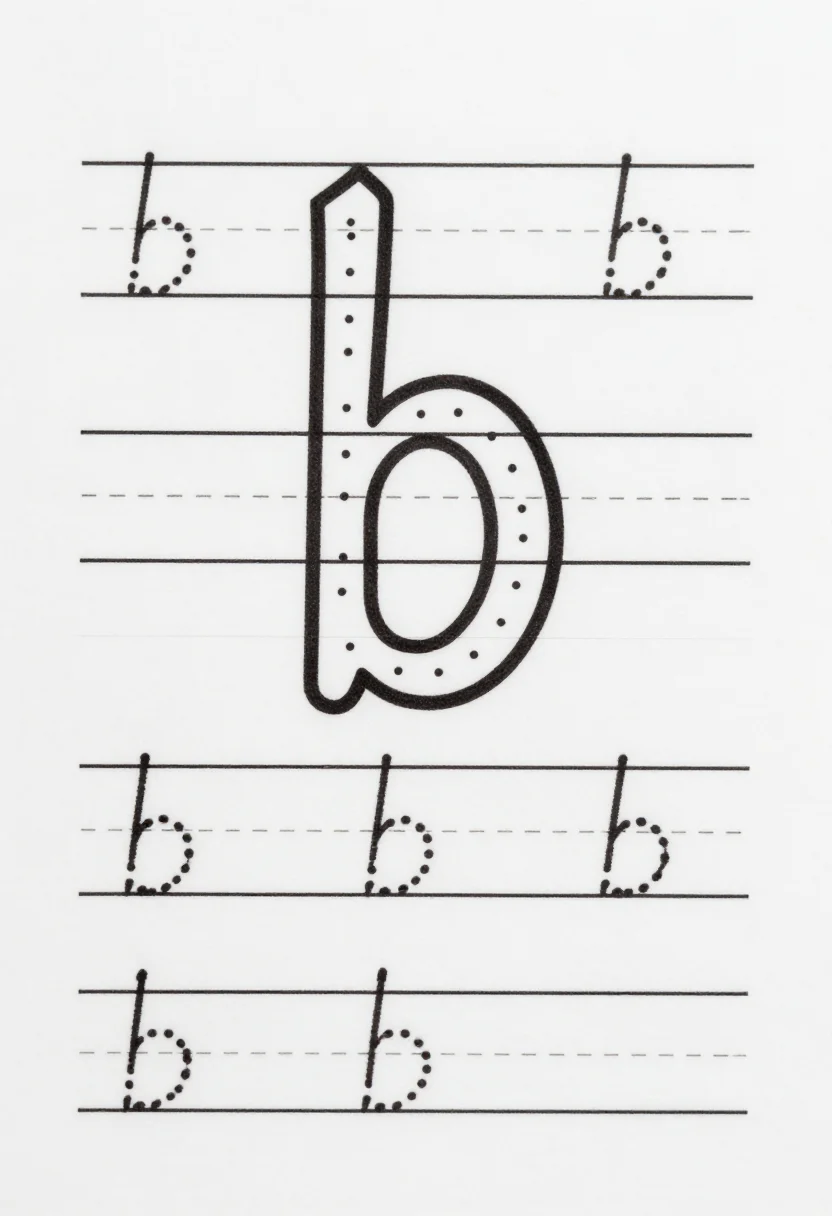
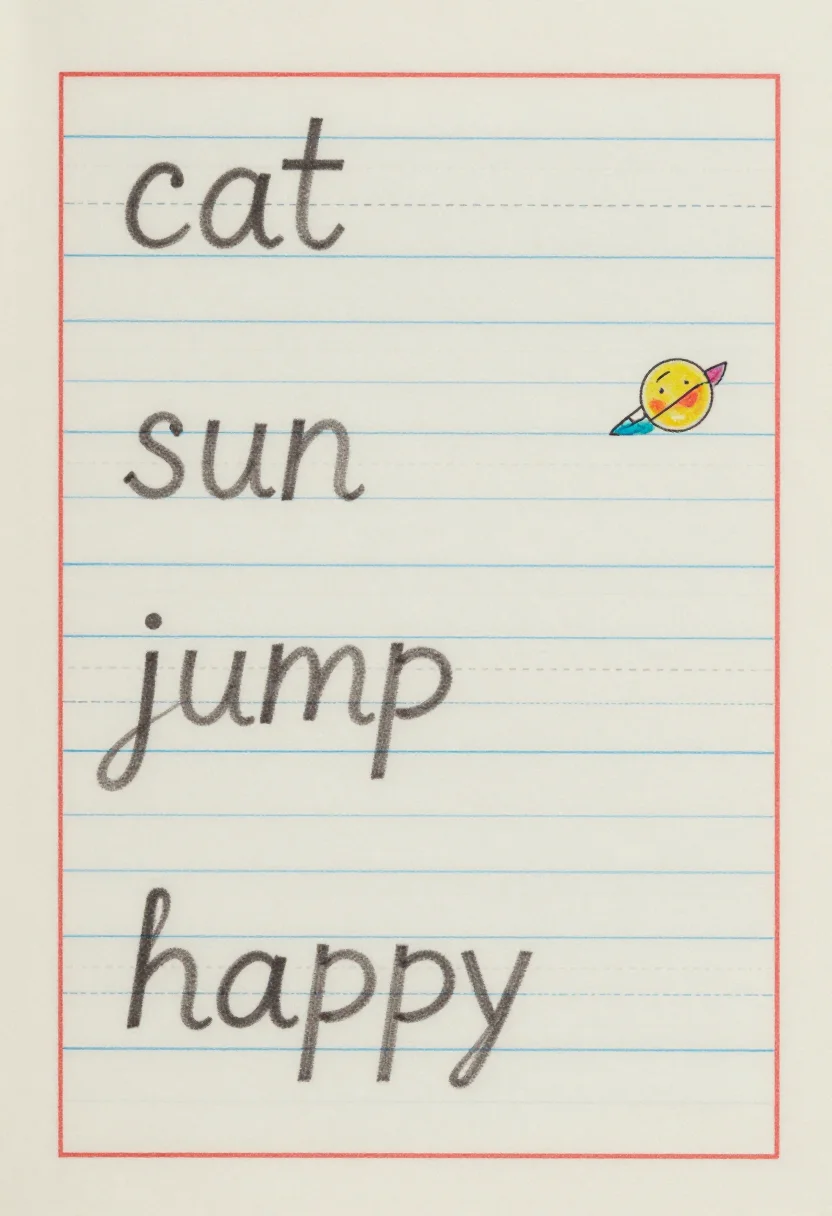
Cursive tracing pages are for children in the early school years learning joined handwriting. One page shows the cursive b with numbered stroke arrows; another practises the joins, as in an, ow and br; a third has the short words cat, sun, jump and happy, each with a blank line to copy. Type a different letter or your own word, and the same three styles carry it.
- a joined handwriting lesson in grade 1 or 2
- home practice after school
- a copywork sheet for a child learning to join letters
- a handwriting folder
Frequently asked questions
- Which letters and words are shown?
- The single page is the letter b, the join page uses an, ow and br, and the words page has cat, sun, jump and happy.
- Can I ask for capital letters?
- Yes, type it as a direction, such as capital letters or your own name. It is a request, and the samples stay as shown.
- Which style suits a child learning to join?
- Black ink prints the plainest guides. Exercise book gives pale blue lines and pencil-grey guides, closer to a school notebook.
About toile
This page is a showcase and a starting point: nine samples already rendered, three readings of the pack crossed with three styles, each shown at the size and ratio it was made for. Take any of them further on the wall with a few words, or ask for all nine again under your own direction; a sign-in keeps what you make, and it is free while Toile is new. The recipe behind each sample — the subject, the style, the palette, the framing — travels with the image rather than staying private to the render: it is in the alt text of every sample and in the page's own structured data, so a search engine reads the same handles a person would.