/cut-and-paste · coloring
Cut and paste worksheets: face, garden and robot in three piece counts
Make your ownCut-and-paste activities
Describe yours. We'll remake the whole pack your way.
More like this
the whole catalog →
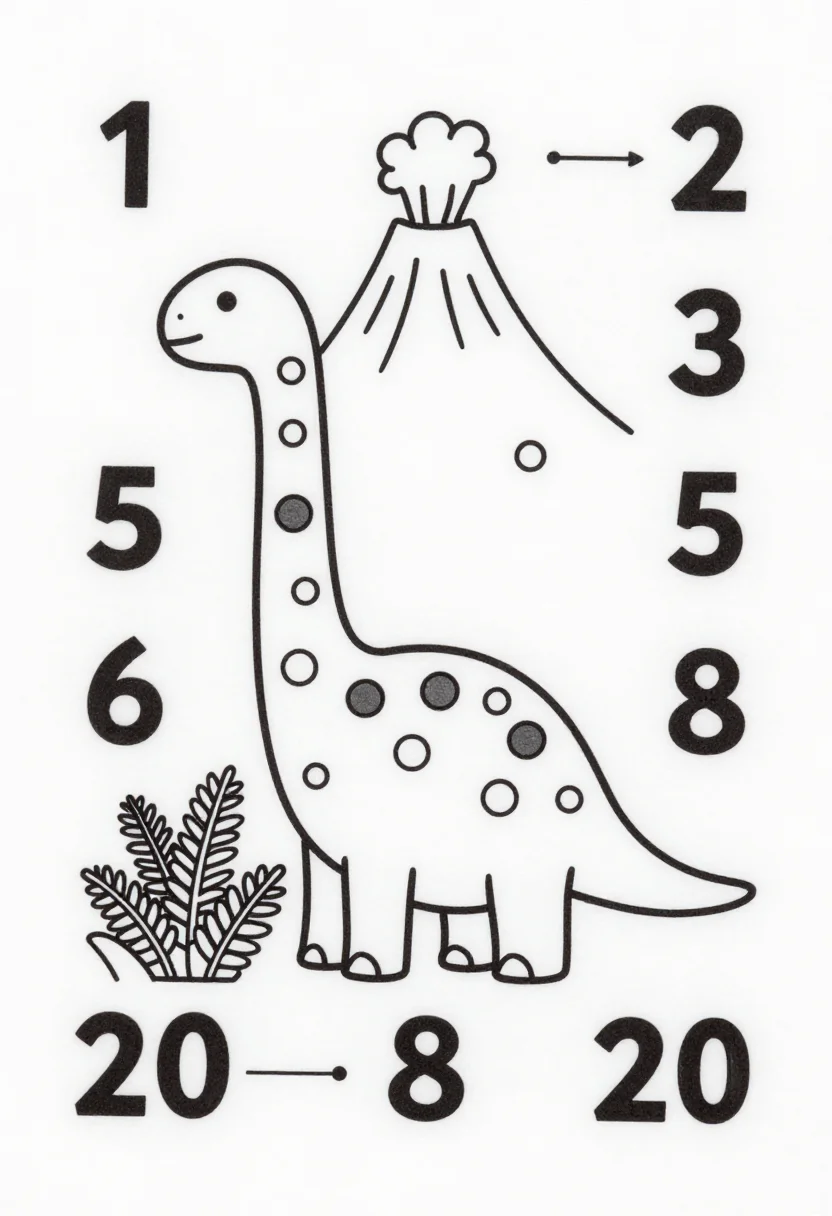
every sample — three subjects, three styles ↓
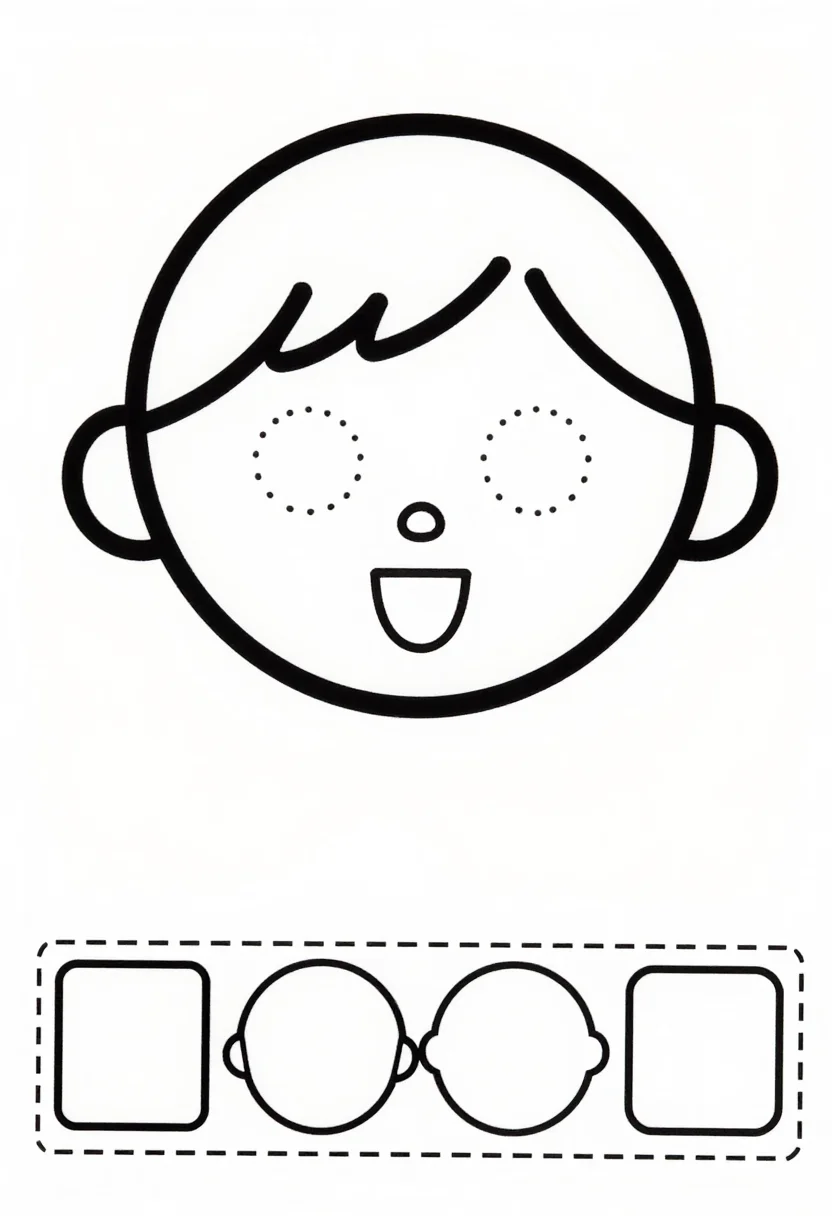
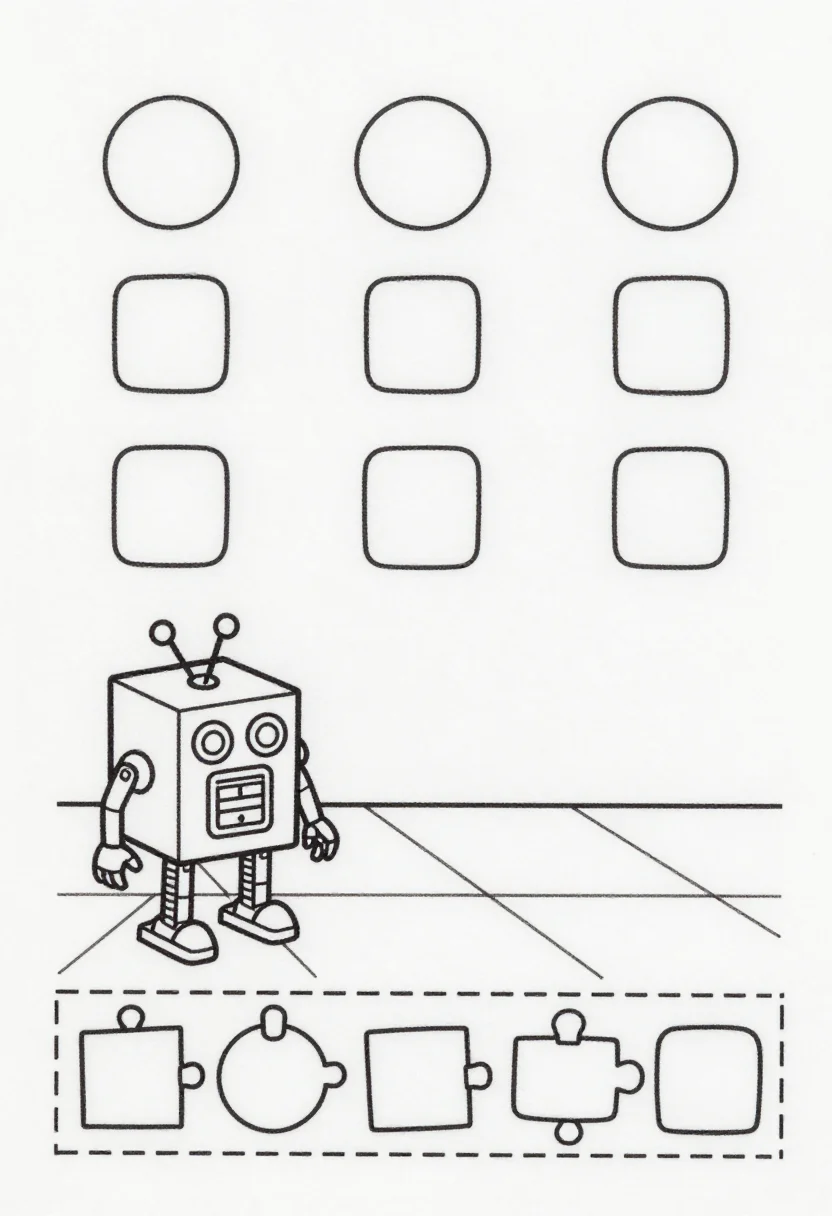
Each sheet is two parts: a scene with empty dotted shapes on top, the missing pieces to cut out along dashed lines below — a face without its eyes, a garden without its flowers, a robot without its dials. Four big chunky pieces for little hands, six for a storybook set, nine fine pieces for steadier scissors. The picture completes when the glue dries.
- a preschool fine-motor activity
- a scissor-practice worksheet
- a classroom craft table
- a homeschool cutting exercise
Frequently asked questions
- What size do the sheets print at?
- Each sheet is drawn at portrait A4 proportions (832 by 1216) with a white margin, so it prints clean on standard paper.
- How many pieces does each sheet have?
- Four large pieces for the chunky style, six for storybook, nine for the fine style — the piece count grows as the pieces get smaller.
- Can I get a different missing-pieces scene?
- Yes — that is what the direction field on the page is for. Type a different scene and it is drawn again at all three piece counts.
About toile
This page is a showcase and a starting point: nine samples already rendered, three readings of the pack crossed with three styles, each shown at the size and ratio it was made for. Take any of them further on the wall with a few words, or ask for all nine again under your own direction; a sign-in keeps what you make, and it is free while Toile is new. The recipe behind each sample — the subject, the style, the palette, the framing — travels with the image rather than staying private to the render: it is in the alt text of every sample and in the page's own structured data, so a search engine reads the same handles a person would.