/drop-shadow-letters · illustration
Drop shadow letters: a solid shadow, a long shadow, a script shadow
Make your ownDrop shadow letters
Describe yours. We'll remake the whole pack your way.
More like this
the whole catalog →
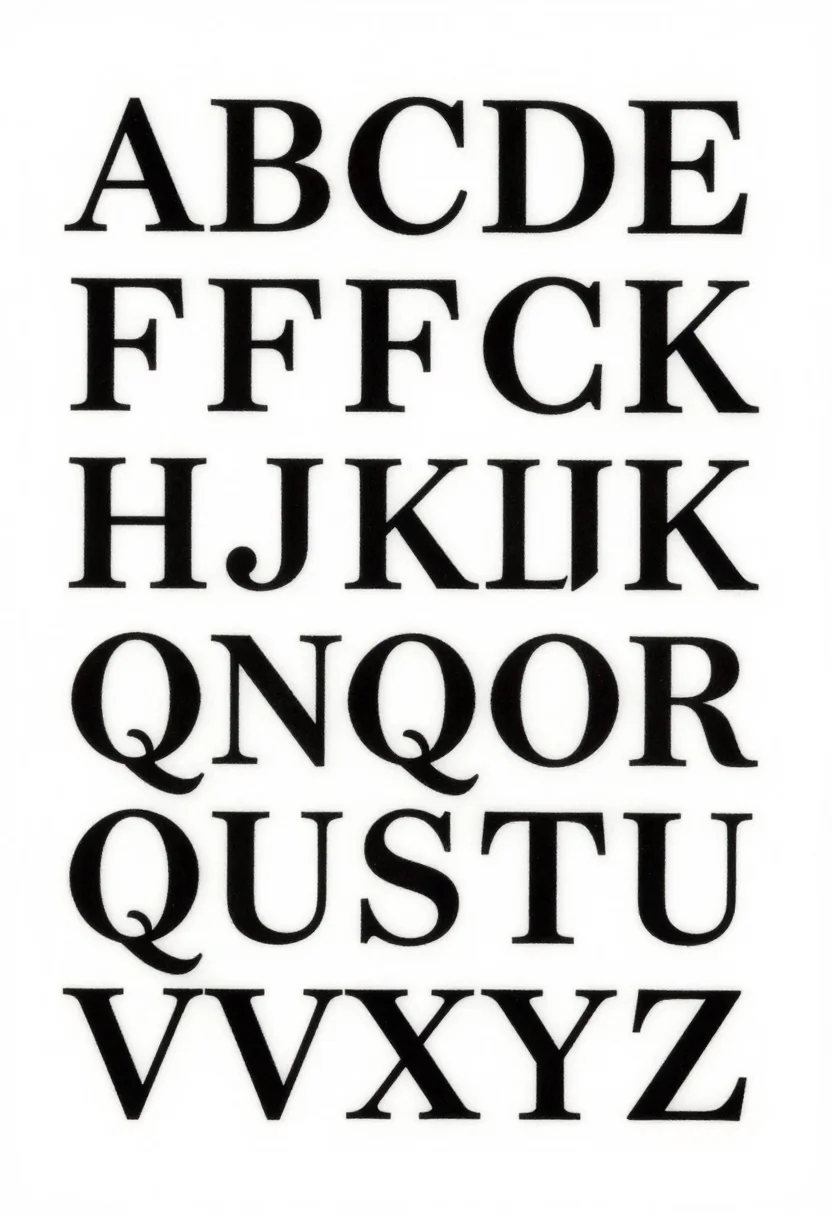
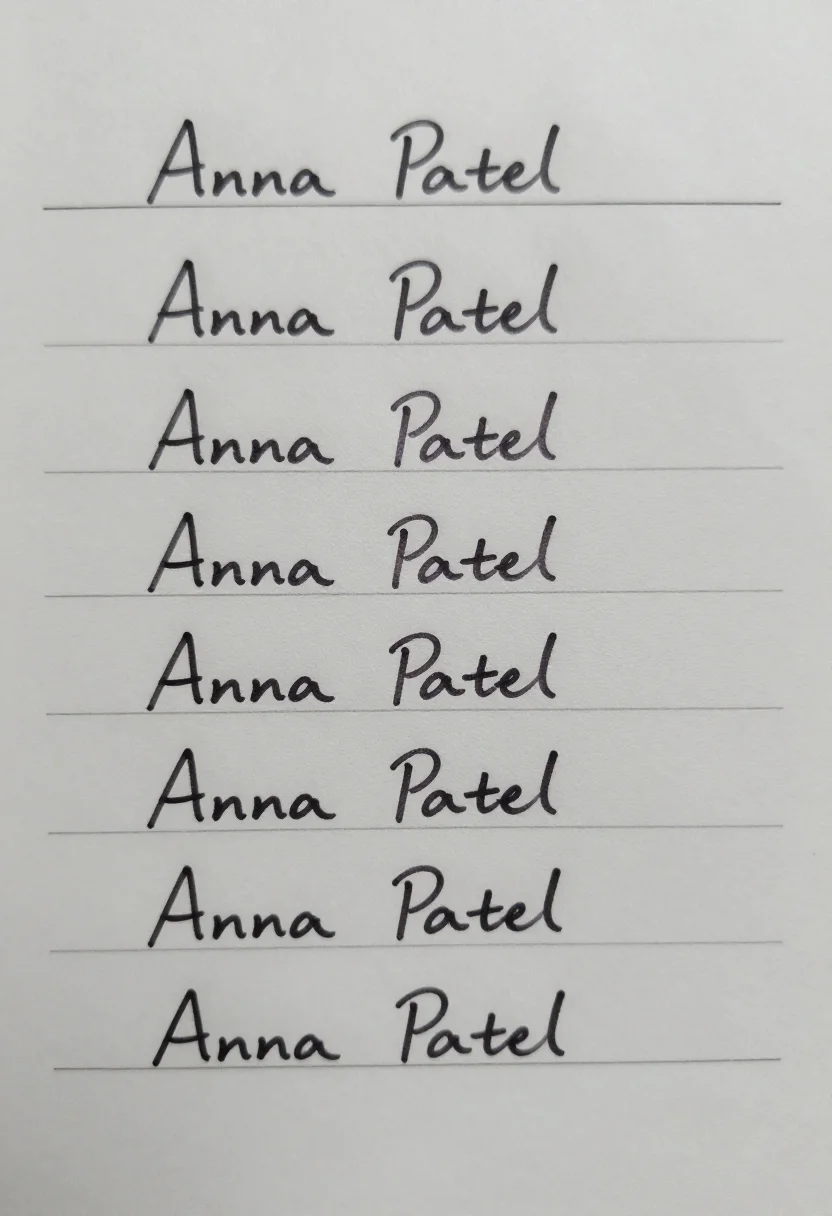
every sample — three subjects, three styles ↓
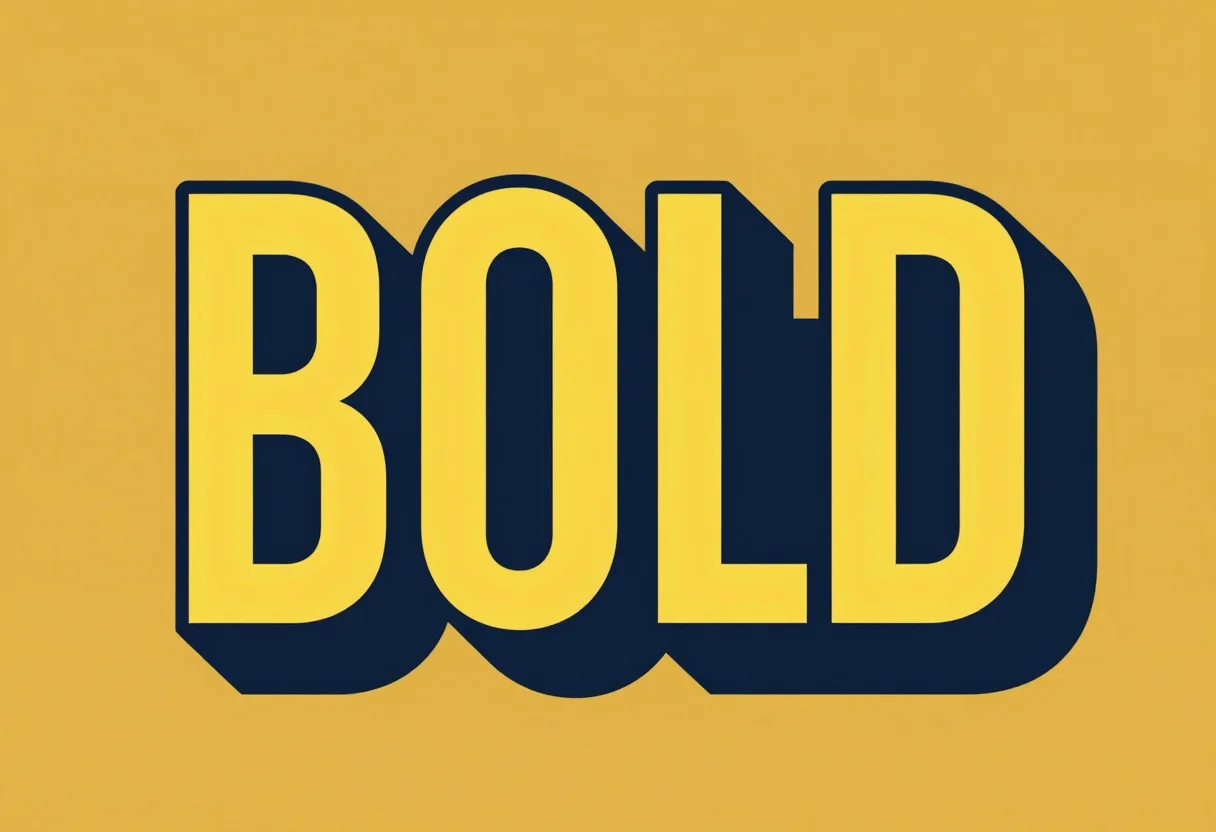
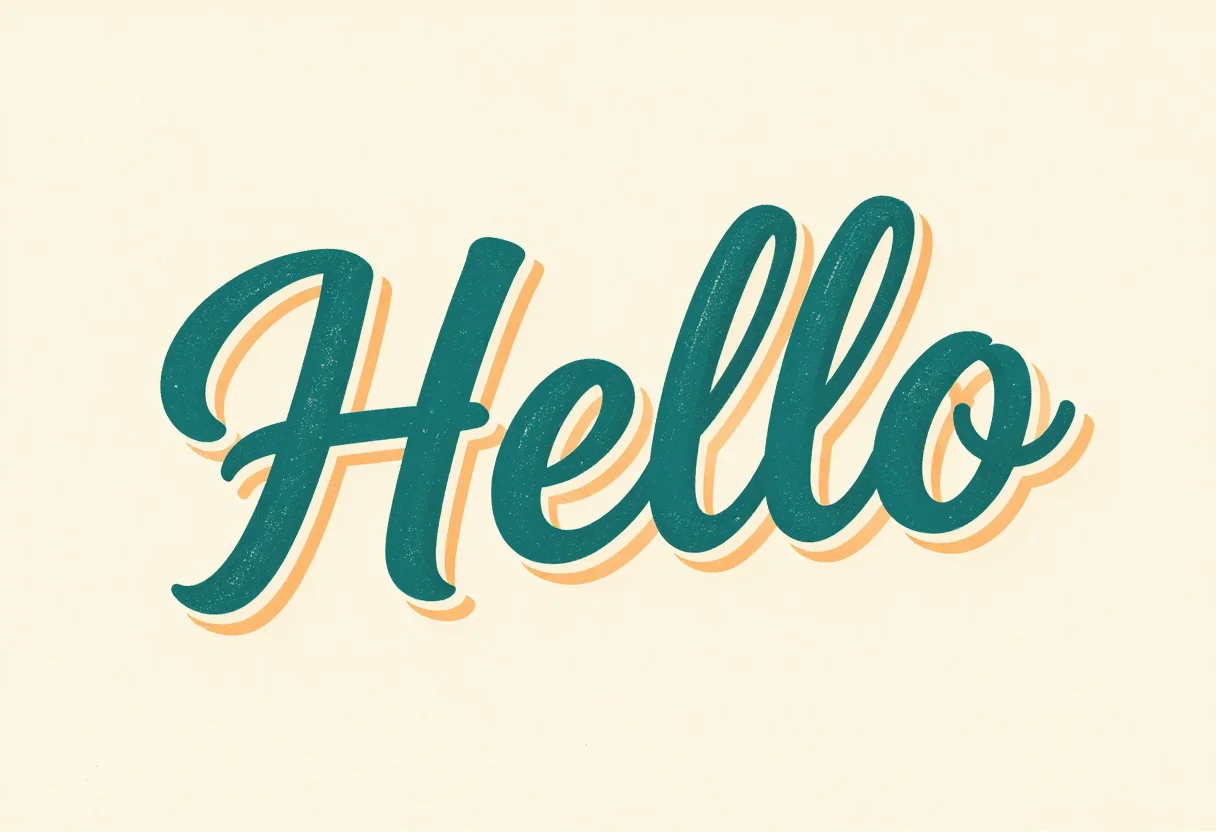
Drop shadow lettering is the simplest way to make lettering stand off the page: a shadow cast to one side. The nine pieces show BOLD with a solid shadow, SALE with a long diagonal shadow, and Hello in looped script with a thin shadow. Each word is set as flat poster lettering, hand-drawn marker, or a two-pass screen print. Ask for pink shadow, two words or your name.
- a poster headline
- a title on a notebook page
- a sale sign
- a greeting card
Frequently asked questions
- Which direction does the shadow fall?
- The same direction on every piece, down and to one side, so a set of letters reads consistently.
- What is the difference between the three treatments?
- Poster is flat vector with hard edges. Marker has a bold black outline and a hatched shadow. Screen print is a two-pass print with slight misregistration.
- Are the words fixed?
- The samples are BOLD, SALE and Hello. Other words are a request.
- What shadow does each word have?
- BOLD has a solid shadow. SALE has a long diagonal shadow. Hello has a thin offset shadow with a few small highlights.
About toile
This page is a showcase and a starting point: nine samples already rendered, three readings of the pack crossed with three styles, each shown at the size and ratio it was made for. Take any of them further on the wall with a few words, or ask for all nine again under your own direction; a sign-in keeps what you make, and it is free while Toile is new. The recipe behind each sample — the subject, the style, the palette, the framing — travels with the image rather than staying private to the render: it is in the alt text of every sample and in the page's own structured data, so a search engine reads the same handles a person would.