/dungeon-tiles · tabletop
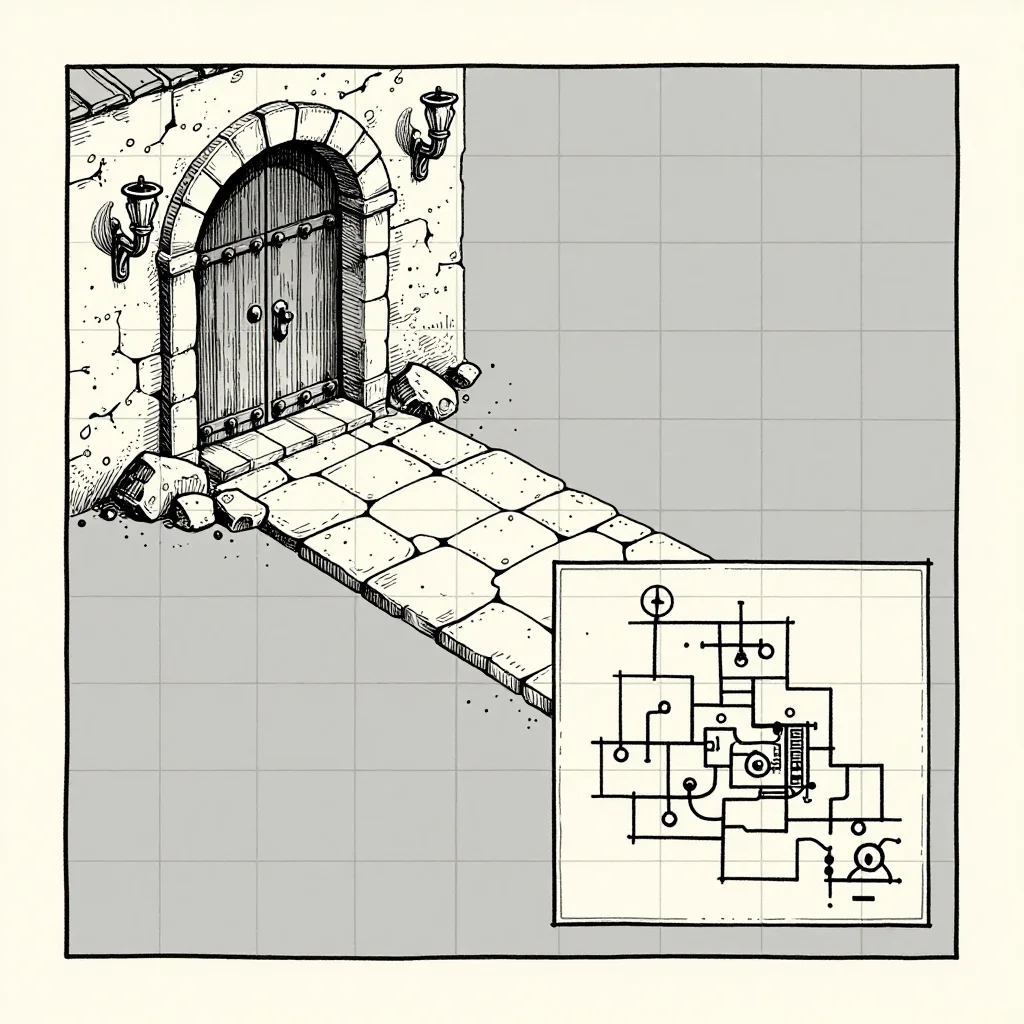
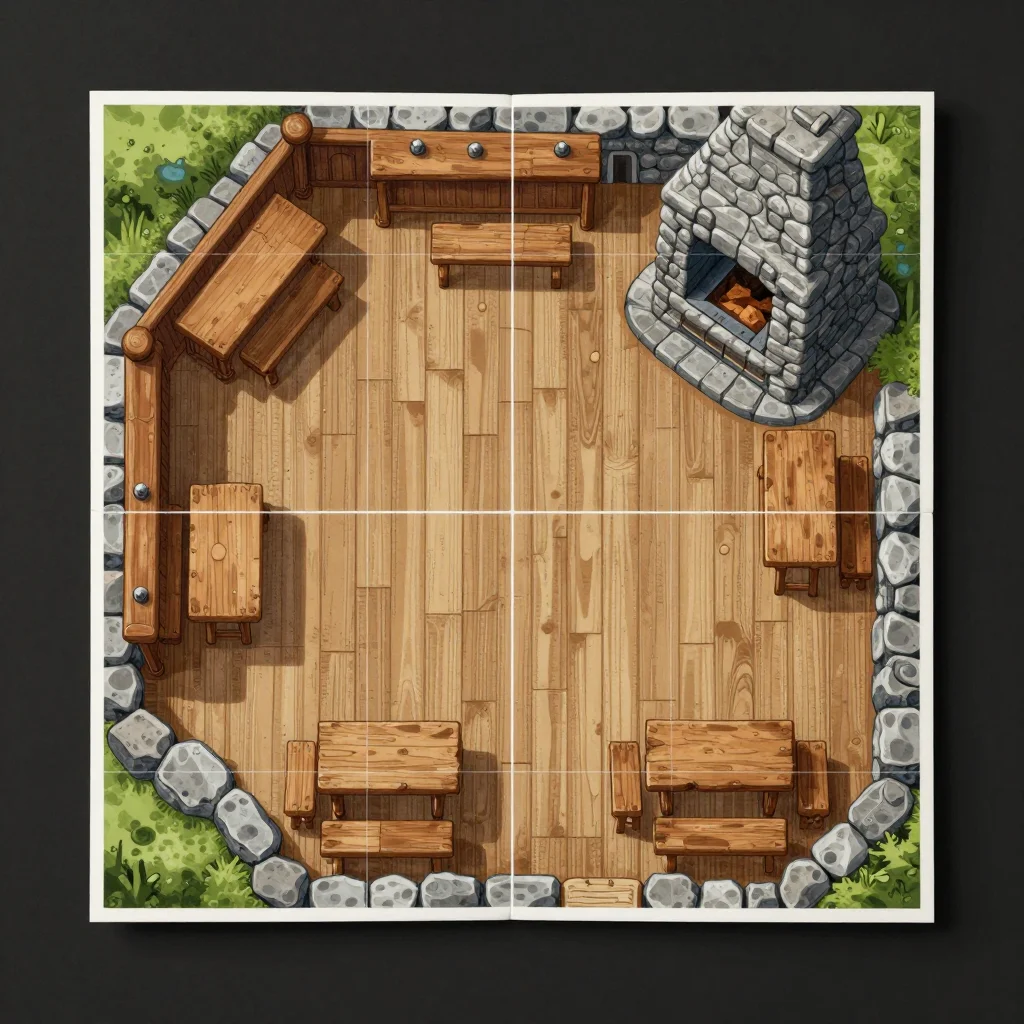
Dungeon tiles: corridor, cavern and tavern floor in three styles
Make your ownDungeon tiles
Describe yours. We'll remake the whole pack your way.
More like this
the whole catalog →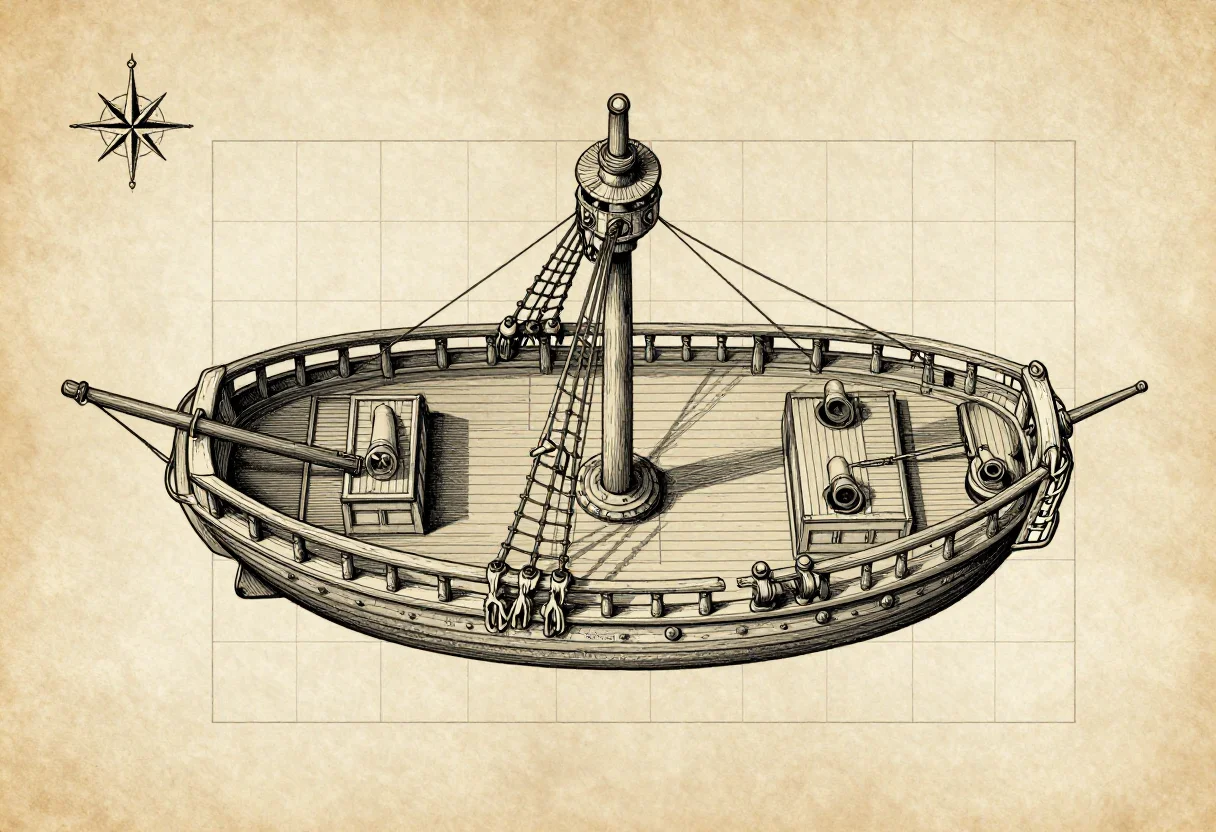

every sample — three subjects, three styles ↓
The gridded square you print, cut and lay down to build a battle map on the fly. These nine tiles cover three rooms — a stone corridor, a cavern pool, a tavern floor — each ruled to a one-inch grid with edges that tile against the next piece. Old-school inked, flat vector and painted finishes. Print, cut and start building the dungeon.
- print-and-cut tiles for a physical battle map
- a starter set for a homebrew dungeon
- reference art for a virtual tabletop map
- a quick encounter room for improvised play
Frequently asked questions
- Do the tile edges match up?
- Yes — every tile is drawn to run its terrain out to the edge on a one-inch grid, so any two tiles butt together cleanly.
- What size does each tile print at?
- Each tile is a square laid out for standard letter or A4 paper, matching a one-inch grid scale for miniatures.
- Can I get a different room?
- Yes — the direction field redraws the sheet with another room, such as a crypt with sarcophagi.
About toile
This page is a showcase and a starting point: nine samples already rendered, three readings of the pack crossed with three styles, each shown at the size and ratio it was made for. Take any of them further on the wall with a few words, or ask for all nine again under your own direction; a sign-in keeps what you make, and it is free while Toile is new. The recipe behind each sample — the subject, the style, the palette, the framing — travels with the image rather than staying private to the render: it is in the alt text of every sample and in the page's own structured data, so a search engine reads the same handles a person would.