/enamel-pins · brand
Enamel pin design ideas: a mushroom, a coffee ghost and a camera
Make your ownEnamel pin designs
Describe yours. We'll remake the whole pack your way.
More like this
the whole catalog →
every sample — three subjects, three styles ↓
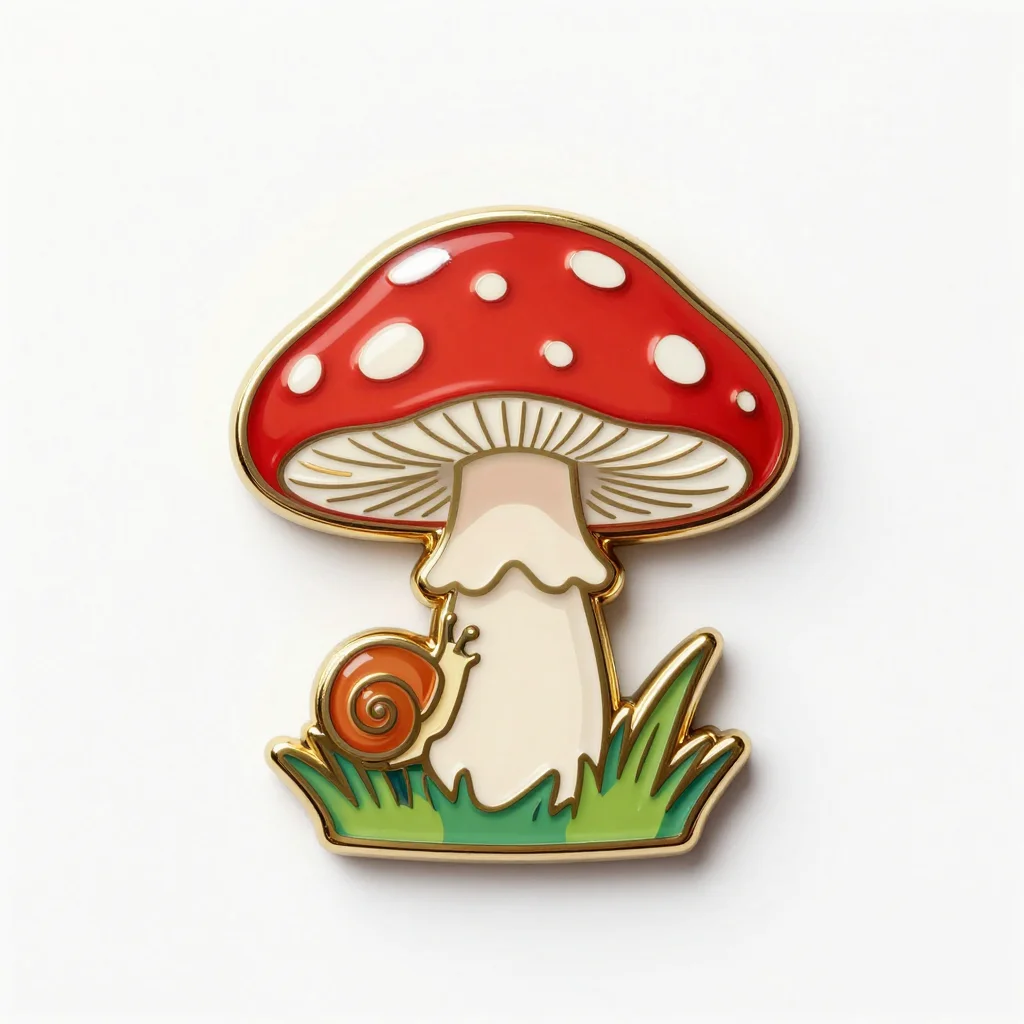
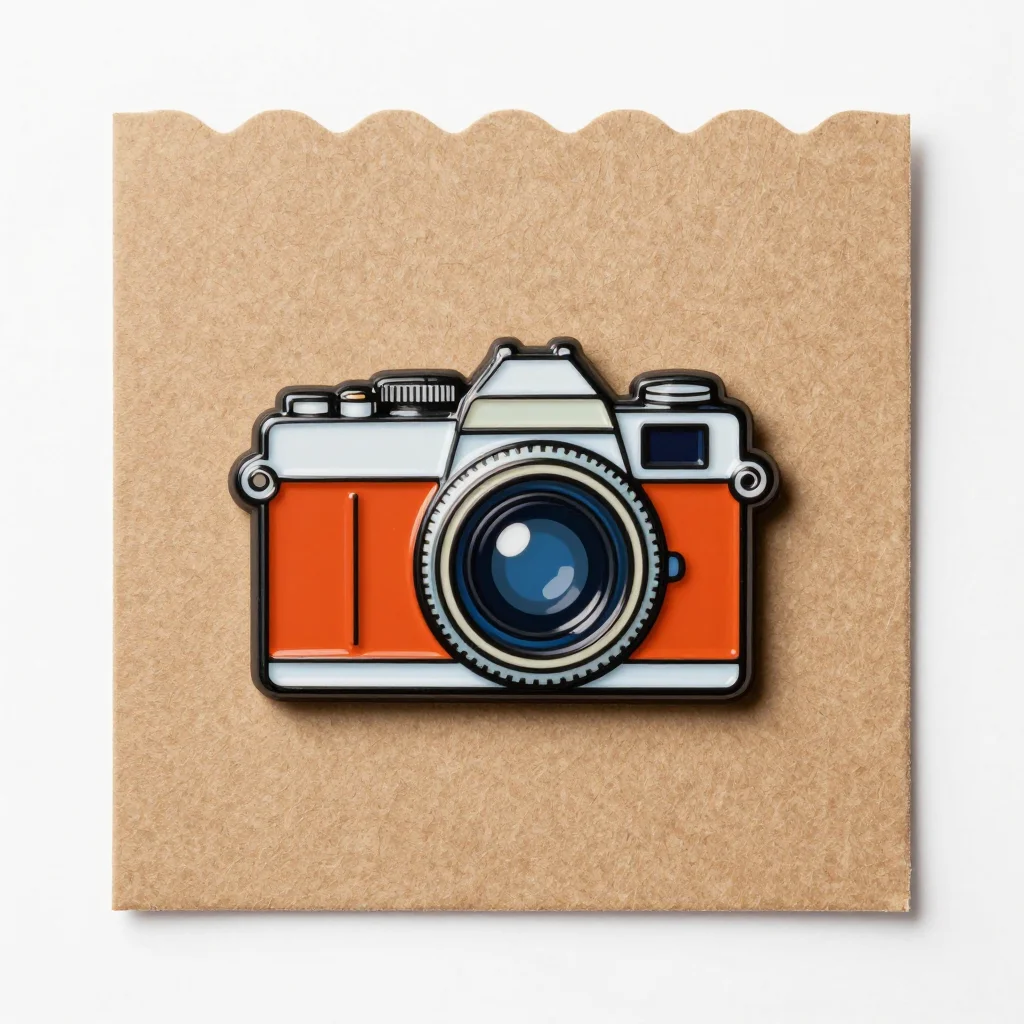
An enamel pin is a small object drawn in flat color regions with a metal line holding them apart. These nine draw a mushroom, a coffee-holding ghost, and a vintage camera, each in a gold hard-enamel line, a black soft-enamel line, and pinned on its backing card. Ask for a different object and the same pin recipe redraws around it.
- a pin design to send to a manufacturer
- a merch drop for a shop or artist
- a gift pin for a friend
- a print-on-demand or online pin listing
- reference art for a pin backing card
Frequently asked questions
- Is this the finished physical pin or the design?
- Two styles show the flat vector artwork a pin manufacturer needs; the third shows the design as a finished glossy pin on its backing card, for a sense of the final product.
- What's the difference between hard and soft enamel?
- Hard enamel is filled flush and polished smooth with raised metal lines; soft enamel is filled just below the metal line, leaving a slight texture you can feel — the two styles here show each look.
- Can I get a different object, like a slice of cake?
- Yes — that's one of the ready directions on the page, or type any small object and the pin redraws around it.
- Can I get a matching pair?
- Yes — that's one of the ready directions on the page, or ask for a matching set directly.
About toile
This page is a showcase and a starting point: nine samples already rendered, three readings of the pack crossed with three styles, each shown at the size and ratio it was made for. Take any of them further on the wall with a few words, or ask for all nine again under your own direction; a sign-in keeps what you make, and it is free while Toile is new. The recipe behind each sample — the subject, the style, the palette, the framing — travels with the image rather than staying private to the render: it is in the alt text of every sample and in the page's own structured data, so a search engine reads the same handles a person would.