/false-ceiling-designs · home
False ceiling designs: cove light, wood strips and POP
Make your ownFalse ceiling designs
Describe yours. We'll remake the whole pack your way.
More like this
the whole catalog →
every sample — three subjects, three styles ↓
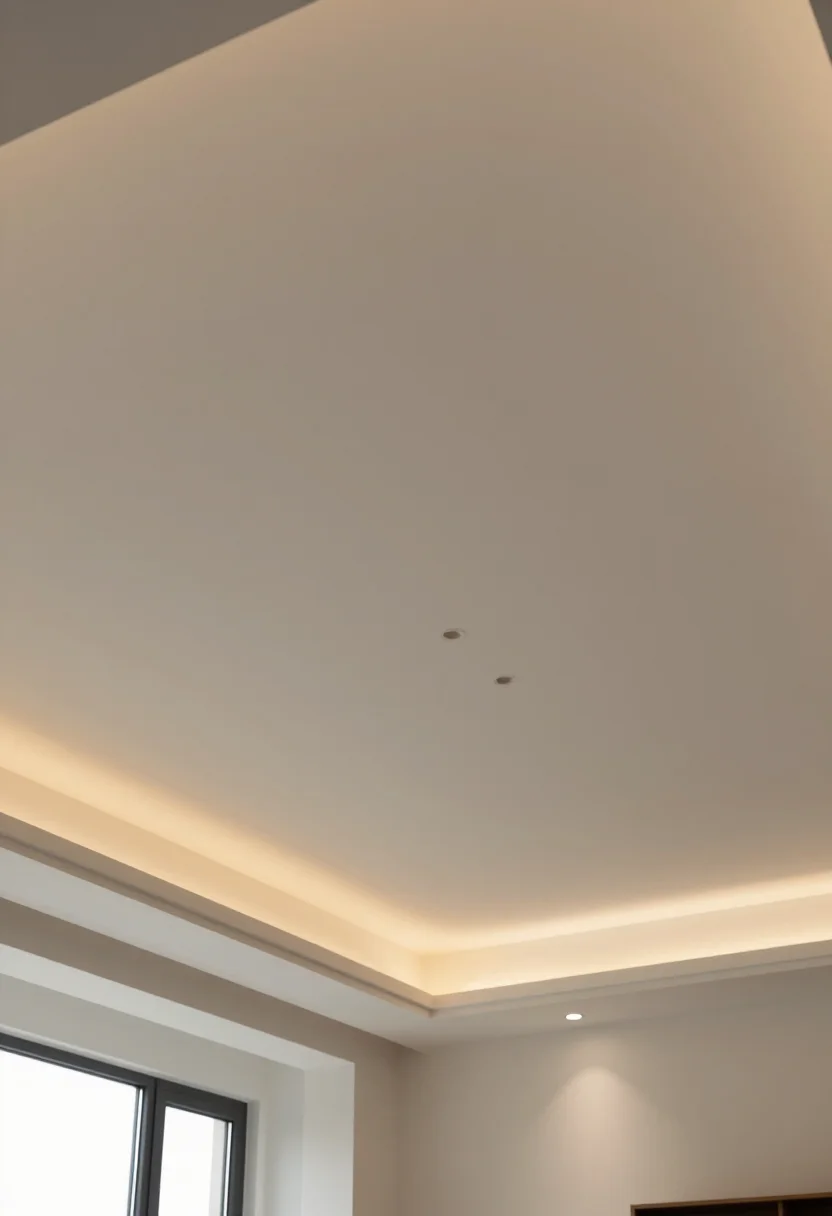
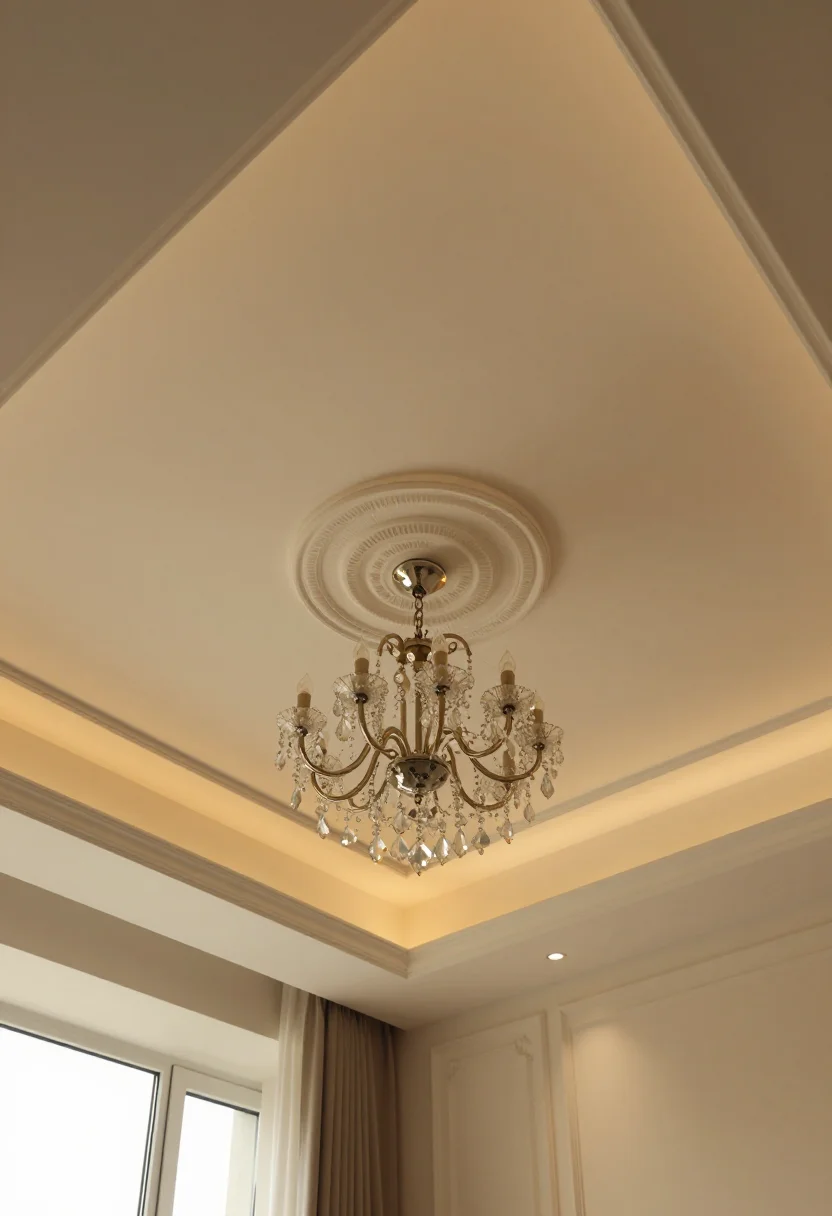
Three false ceilings to show a contractor: a gypsum ceiling with a lit cove border, a ceiling with wooden strips and spotlights, and a POP ceiling with layered geometric steps. Each is shown in smooth white plaster, in cream with a teak border, and with a moulded cornice and a chandelier. The ceiling is the subject, seen from below. Type a different room, such as a hall ceiling, for a variation on the same designs.
- A hall or living room ceiling to brief a contractor
- A bedroom ceiling with a layered POP design
- Comparing cove lighting with wood strips
- A simple white ceiling with recessed lights
Frequently asked questions
- What is a POP ceiling?
- POP stands for plaster of Paris, a moulded material used for layered ceilings. In these pictures it is shown as geometric steps in a bedroom.
- What is the difference between the three finishes?
- Minimal white is smooth matte plaster with small recessed downlights. Teak accent is cream paint with a teak border and a slim brass inlay. Classic chandelier has a moulded cornice, a ceiling medallion and a crystal chandelier.
- Do the pictures show ceiling heights or sizes?
- No. They show the look of each ceiling, with no dimensions or drawings. Measure your room and check the layout with your contractor.
- Are these real ceilings?
- No. They are generated images styled to look like interior design photographs.
About toile
This page is a showcase and a starting point: nine samples already rendered, three readings of the pack crossed with three styles, each shown at the size and ratio it was made for. Take any of them further on the wall with a few words, or ask for all nine again under your own direction; a sign-in keeps what you make, and it is free while Toile is new. The recipe behind each sample — the subject, the style, the palette, the framing — travels with the image rather than staying private to the render: it is in the alt text of every sample and in the page's own structured data, so a search engine reads the same handles a person would.