/house-front-designs · home
House front designs: modern, two-floor and traditional
Make your ownHouse front designs
Describe yours. We'll remake the whole pack your way.
More like this
the whole catalog →
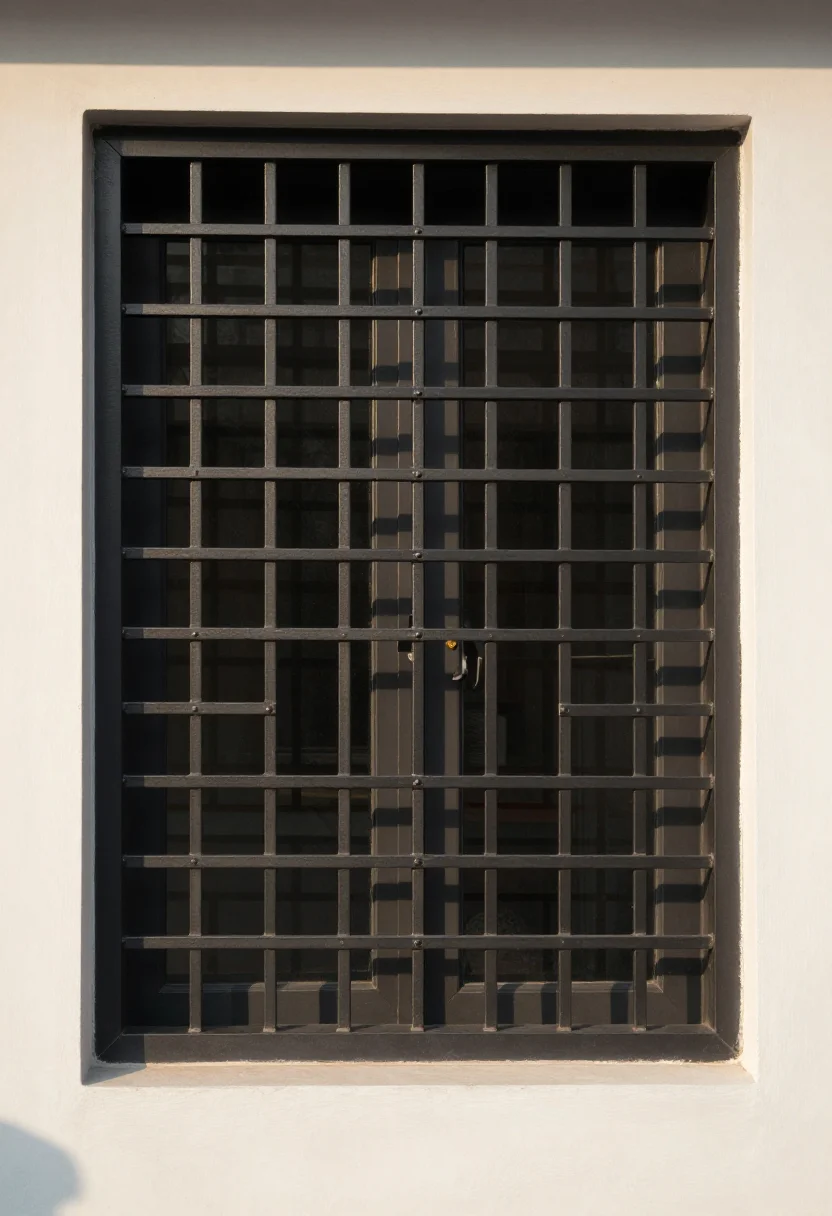
every sample — three subjects, three styles ↓
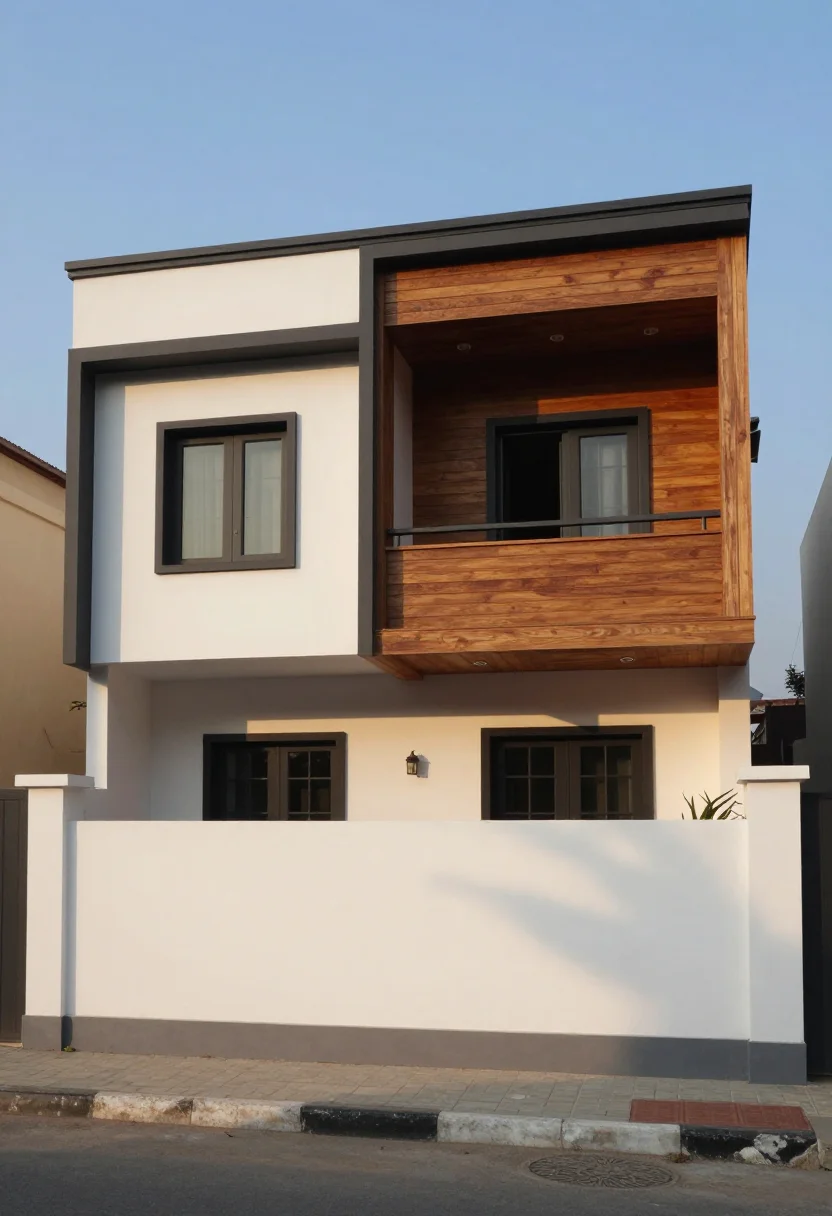
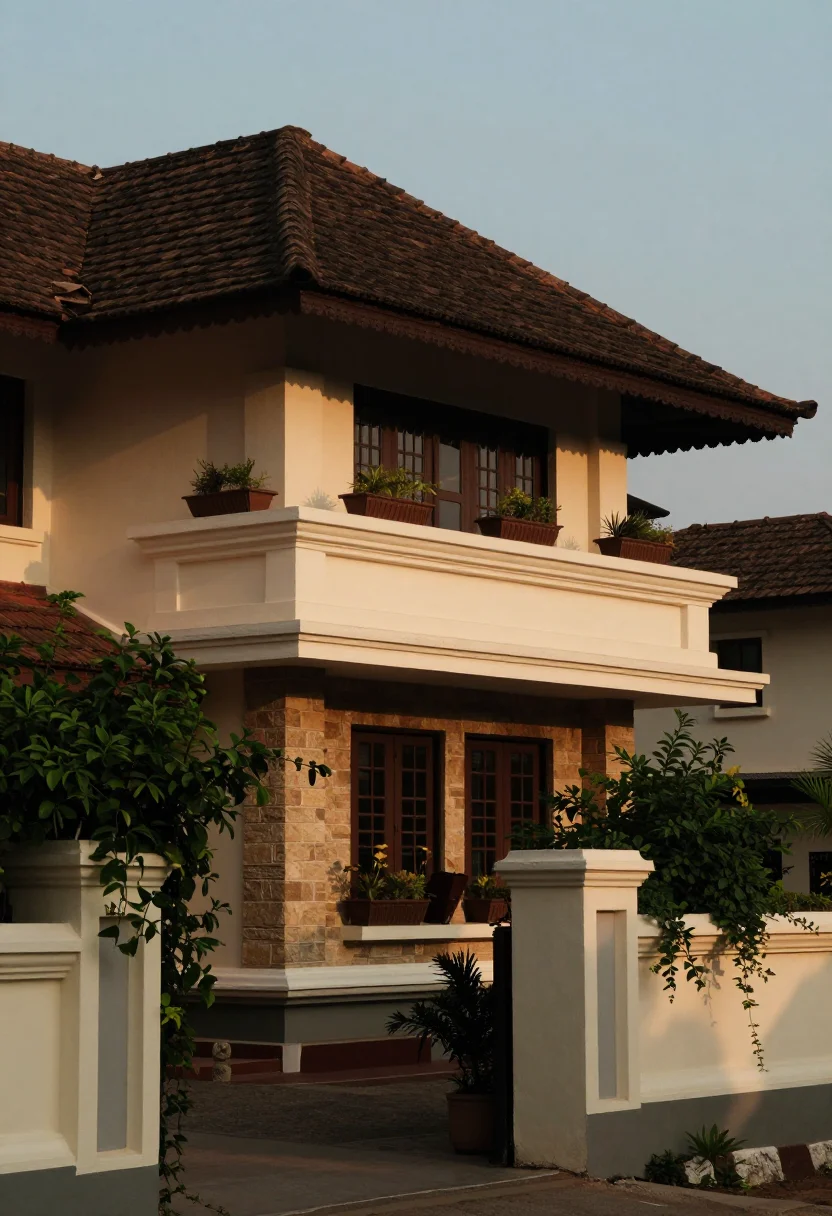
Three house fronts to show an architect: a modern single-floor box with wood cladding, a two-floor house with a balcony and stone cladding, and a traditional front with a sloped tile roof. Each is shown in white plaster, in exposed red brick, and in cream stone with planters. The whole front is in one frame, from the compound wall to the roofline. Type a different plot, such as a corner plot, for a variation on the same designs.
- Showing an architect the elevation you want
- A corner plot front for a new build
- Choosing a finish for an exterior wall
- A family discussion before a renovation
Frequently asked questions
- Are these real houses?
- No. They are generated images styled to look like architectural photographs of Indian homes.
- Do the pictures show floor plans or heights?
- No. They show how a front looks from the street, with no floor plans, heights or drawings. Ask your architect for the plans.
- What is the difference between the three finishes?
- White plaster has charcoal window frames and a wood-slat accent. Brick and grey has exposed red brick with black metal railings. Tropical green has light stone paint, planters on every ledge and creepers on the wall.
- Can I ask for three floors?
- Yes. Type it as a direction. The result is a variation on the same designs, not a guaranteed match to a plan.
About toile
This page is a showcase and a starting point: nine samples already rendered, three readings of the pack crossed with three styles, each shown at the size and ratio it was made for. Take any of them further on the wall with a few words, or ask for all nine again under your own direction; a sign-in keeps what you make, and it is free while Toile is new. The recipe behind each sample — the subject, the style, the palette, the framing — travels with the image rather than staying private to the render: it is in the alt text of every sample and in the page's own structured data, so a search engine reads the same handles a person would.