/half-up-hairstyles · beauty
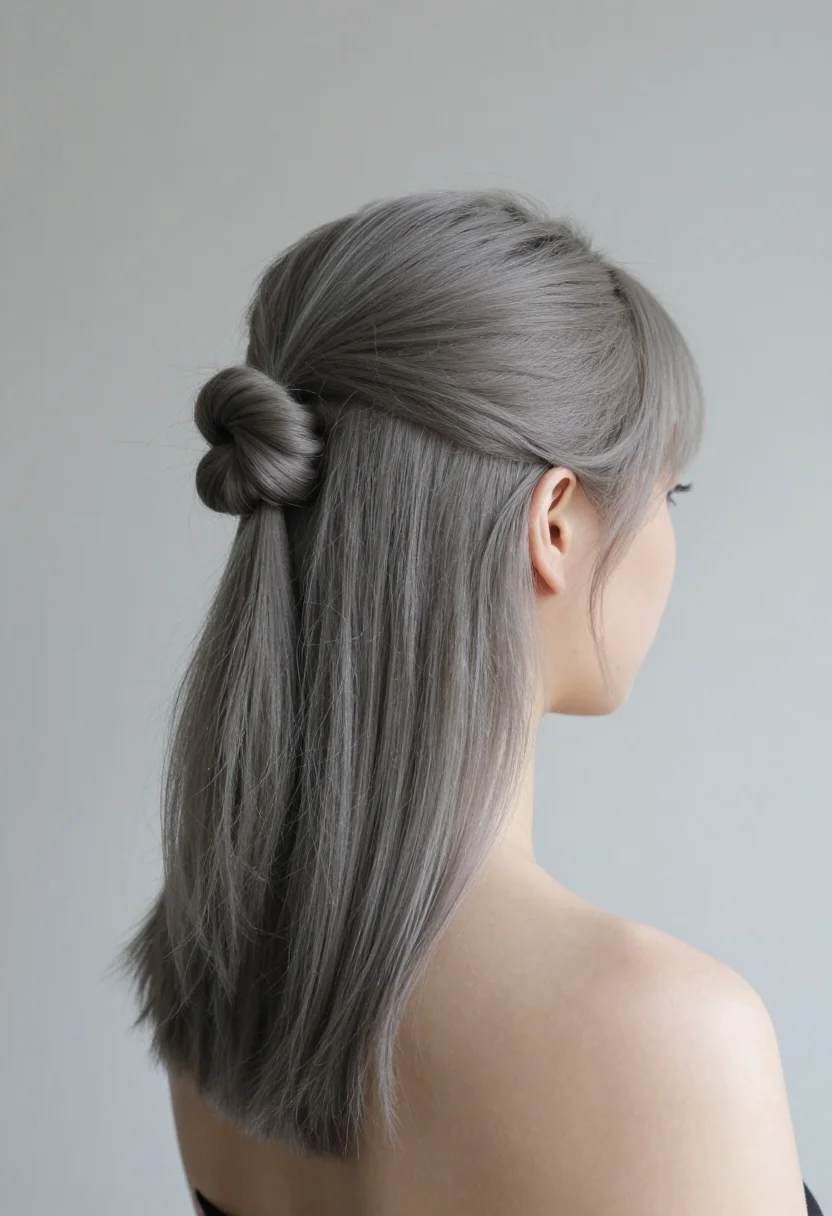
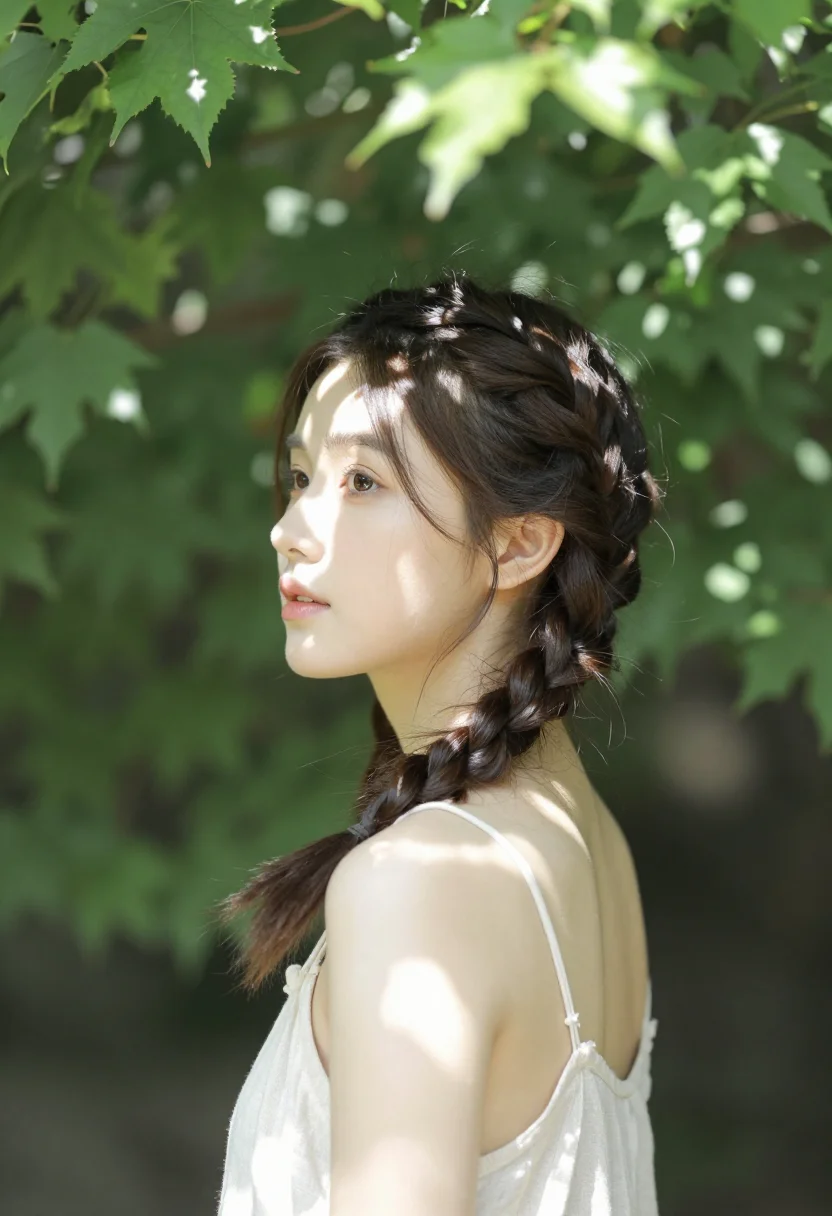
Half-up hairstyles: top knot, claw clip twist, two small braids
Make your ownHalf-up hairstyles
Describe yours. We'll remake the whole pack your way.
More like this
the whole catalog →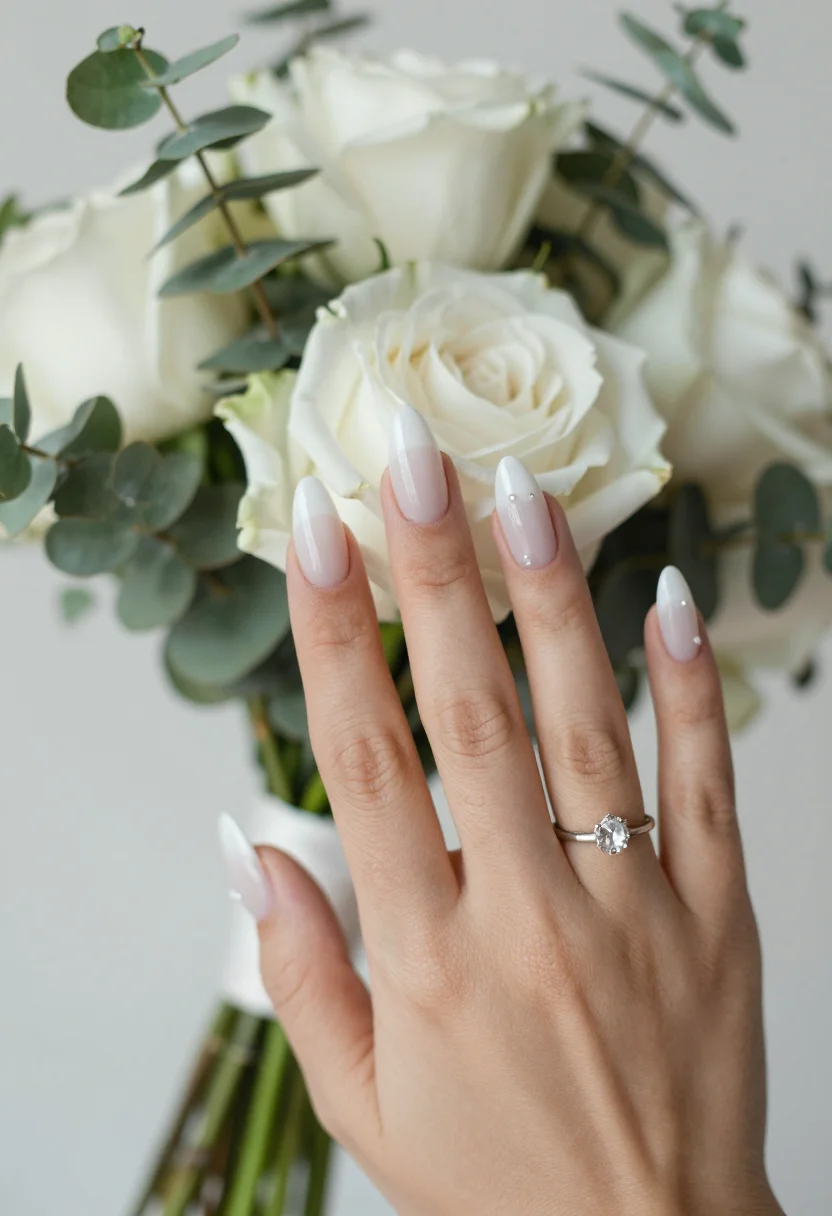
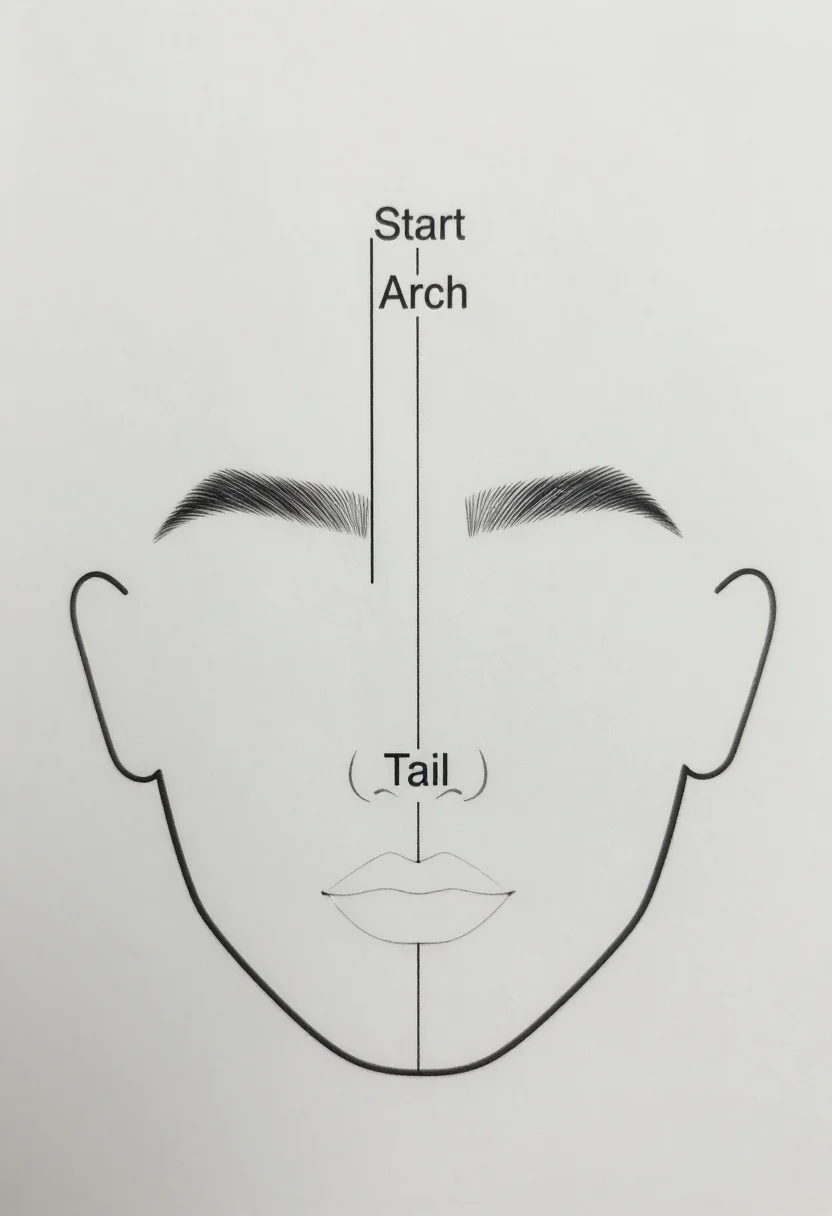
every sample — three subjects, three styles ↓
Half-up styles keep the hair off the face and still down: a top knot at the crown, the top section held back by a tortoiseshell claw clip with loose waves below, and two thin braids joined at the back. Each is shown from behind, at home by a window and outdoors under leafy trees. Type a detail, such as for a wedding, to ask for that version.
- a look for a wedding guest
- a way to keep hair off the face at home
- a summer outdoor style
- a picture to show a stylist
Frequently asked questions
- Can I ask for a half-up style on short hair?
- Yes. A detail you type is a request for that change, not a promised result, and the three looks are shown in that form.
- What is the difference between the three looks?
- The top knot is a small twist at the crown, the claw clip holds the top section back with loose waves below, and the two braids run from the temples to the back.
- Are these real photographs of people?
- No. They are generated images made to show each style, not photographs of a named person.
About toile
This page is a showcase and a starting point: nine samples already rendered, three readings of the pack crossed with three styles, each shown at the size and ratio it was made for. Take any of them further on the wall with a few words, or ask for all nine again under your own direction; a sign-in keeps what you make, and it is free while Toile is new. The recipe behind each sample — the subject, the style, the palette, the framing — travels with the image rather than staying private to the render: it is in the alt text of every sample and in the page's own structured data, so a search engine reads the same handles a person would.