/hiragana-charts · classroom
Hiragana charts: gojuon table, dakuten sounds, stroke order
Make your ownHiragana charts
Describe yours. We'll remake the whole pack your way.
More like this
the whole catalog →
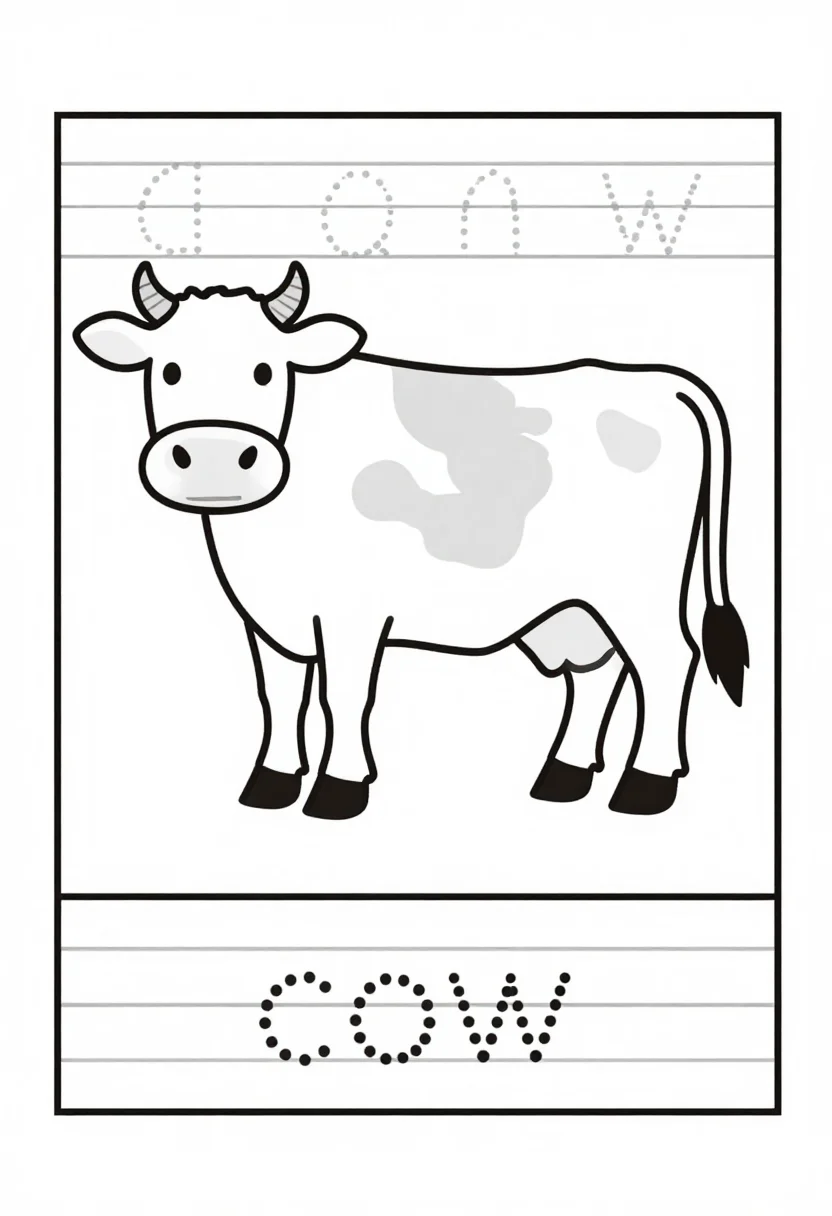
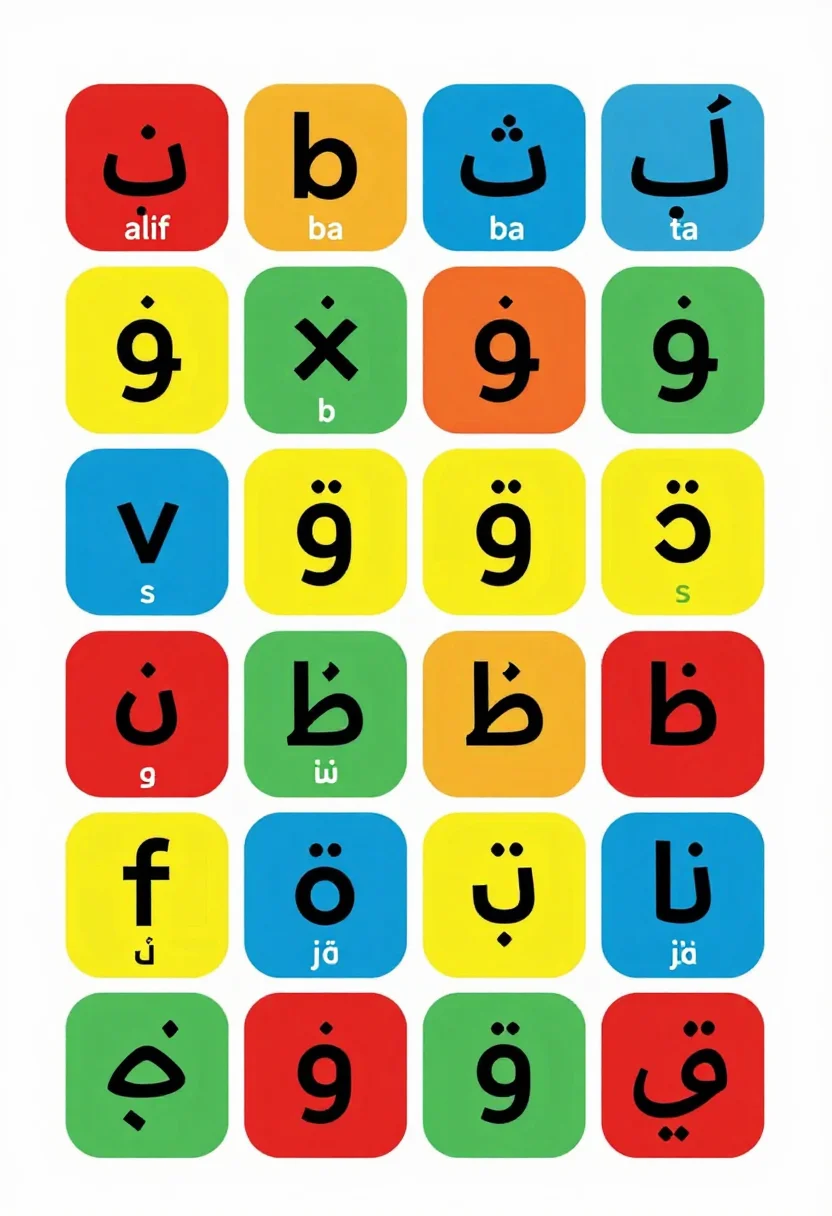
every sample — three subjects, three styles ↓
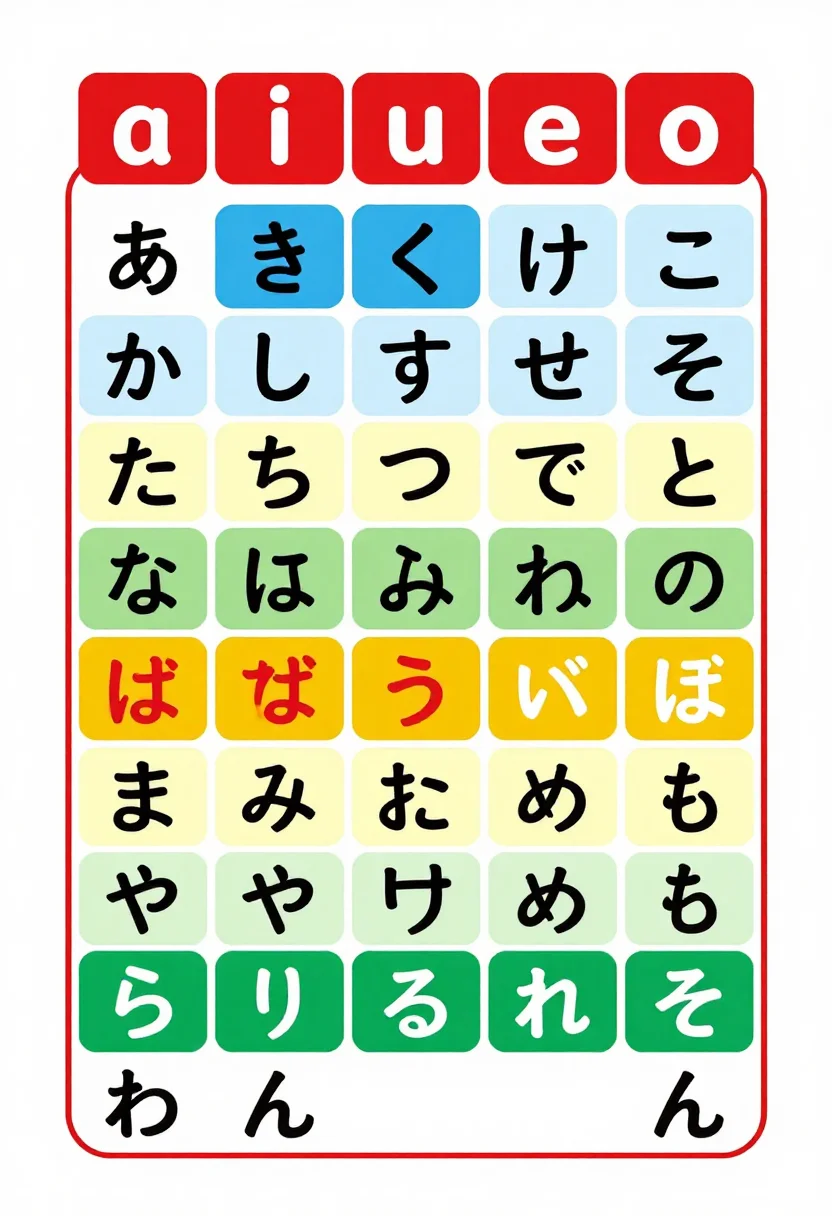
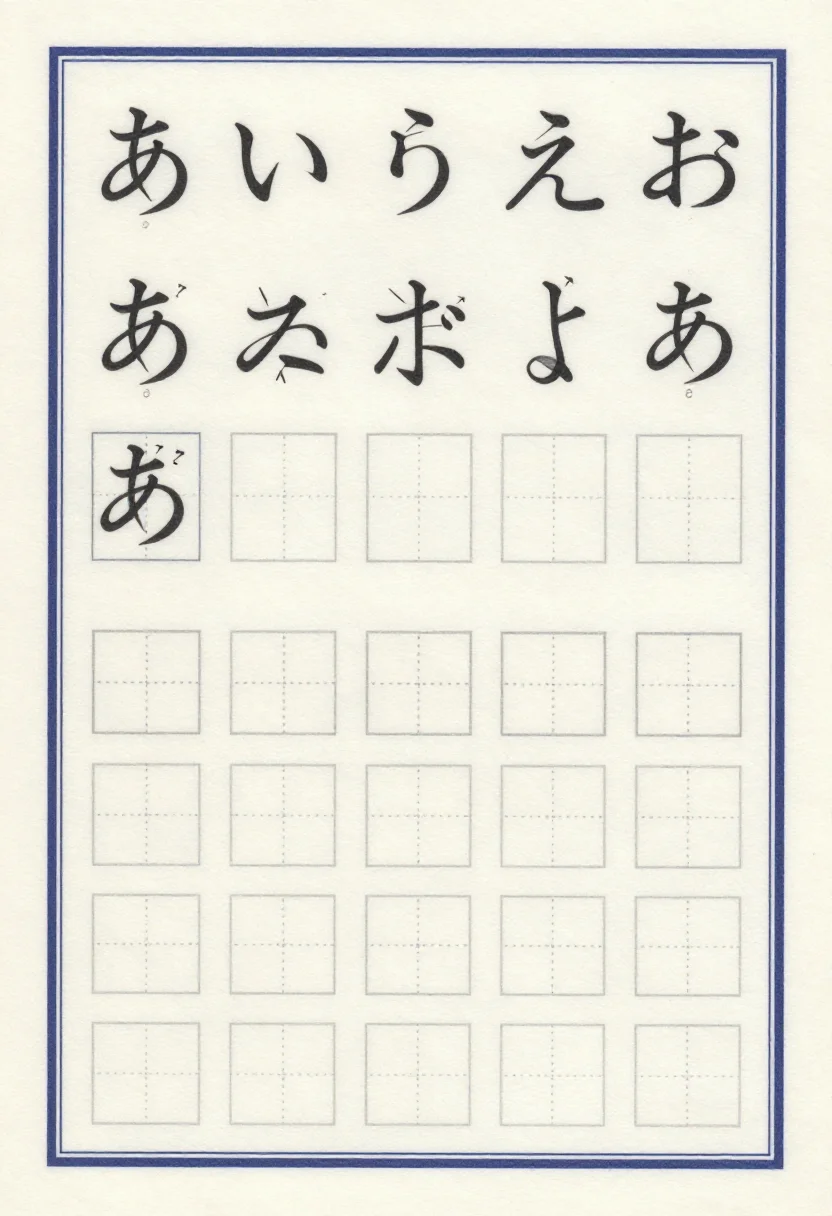
Hiragana charts for a student learning to read Japanese, to pin above the desk. One is the gojuon table, the basic 46 kana in vowel columns with romaji beneath. One shows the dakuten and handakuten sounds, such as ga and pa. One is a stroke order sheet for a, i, u, e and o, with numbered arrows and empty squares to practise. You can also type a twist, such as sakura pink, and the charts are drawn to that request.
- a desk chart while learning to read
- a classroom wall for a Japanese class
- a stroke practice sheet
- a reference for voiced sounds
Frequently asked questions
- What is the gojuon table?
- The traditional table of the basic hiragana, arranged by the five vowels a, i, u, e and o.
- What is the difference between dakuten and handakuten?
- Dakuten is a pair of marks that voices a kana, such as ka to ga. Handakuten is a small circle that makes the p sound, such as ha to pa.
- Does the stroke sheet show the order?
- Yes. Each kana is drawn large with numbered arrows on every stroke, then empty practice squares follow with dashed centre lines.
- Which style fits a classroom?
- Classroom colour is a bright wall chart. Washi is a study sheet with a thin indigo border on cream paper.
About toile
This page is a showcase and a starting point: nine samples already rendered, three readings of the pack crossed with three styles, each shown at the size and ratio it was made for. Take any of them further on the wall with a few words, or ask for all nine again under your own direction; a sign-in keeps what you make, and it is free while Toile is new. The recipe behind each sample — the subject, the style, the palette, the framing — travels with the image rather than staying private to the render: it is in the alt text of every sample and in the page's own structured data, so a search engine reads the same handles a person would.