/junk-journal-ephemera · planner
Junk journal ephemera: apothecary, flea market and seaside sets
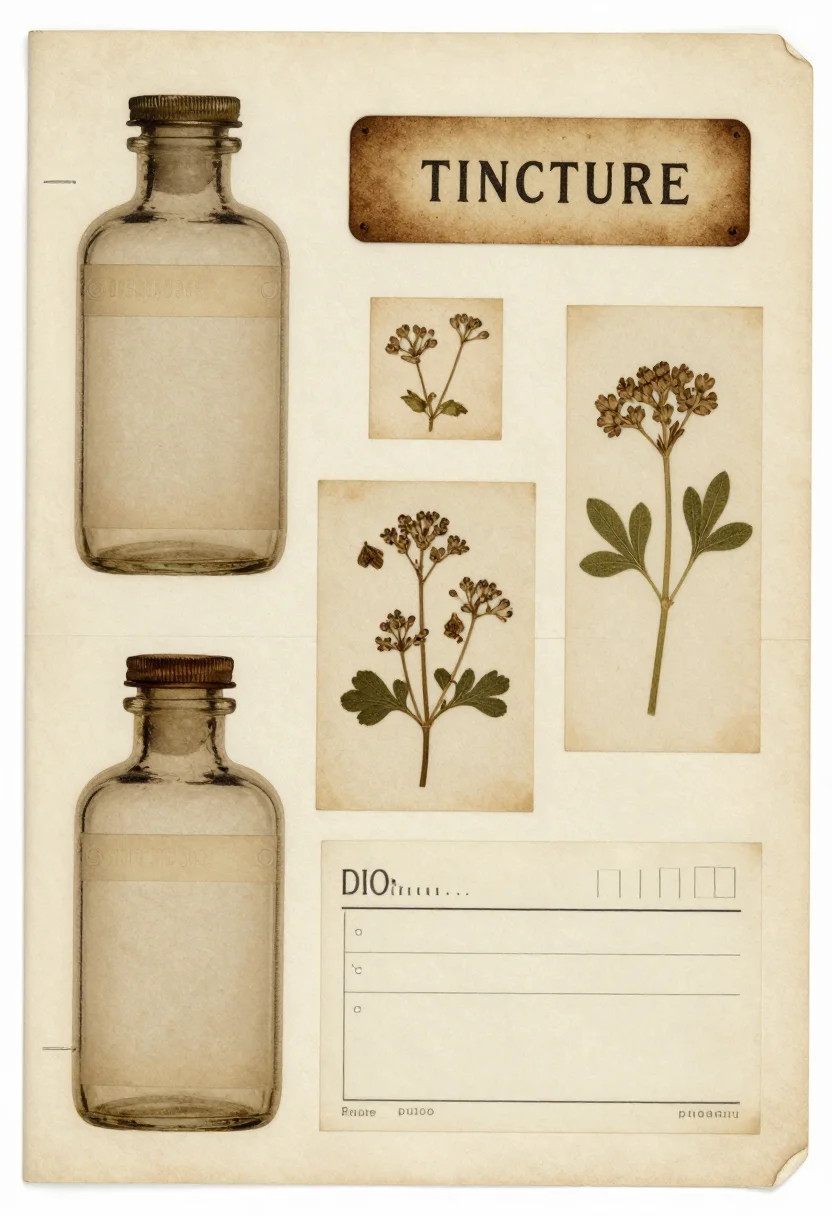

Make your ownJunk journal ephemera
Describe yours. We'll remake the whole pack your way.
More like this
the whole catalog →
every sample — three subjects, three styles ↓
Junk journal ephemera is the sheet you cut apart for collage: labels, tickets, specimen cards, cut close with scissor guides between the pieces. These nine cover three collecting themes — an apothecary cabinet, a Parisian flea market, a seaside holiday — printed in aged sepia, soft watercolor washes, or two-color letterpress. Print, cut along the guides, and glue into the journal.
- a page of collage material for a junk journal
- vintage-look ephemera for scrapbooking
- a themed set for a memory-keeping project
- filler ephemera for card-making
Frequently asked questions
- What size does the sheet print at?
- Portrait A4 proportions (832 by 1216), with the pieces laid out at mixed sizes and thin scissor guides between them.
- Do I need special paper?
- No — plain paper or cardstock works; some collectors print onto tea-stained or aged paper for extra texture.
- Are the ticket and label words real?
- No — the lettering (city names, tin labels) is decorative and part of the vintage look, not a real product or place claim.
- Can I get a set for a specific occasion?
- Yes — the direction field is for that; ask for a Christmas or wedding set and the same cut-apart sheet is redrawn.
About toile
This page is a showcase and a starting point: nine samples already rendered, three readings of the pack crossed with three styles, each shown at the size and ratio it was made for. Take any of them further on the wall with a few words, or ask for all nine again under your own direction; a sign-in keeps what you make, and it is free while Toile is new. The recipe behind each sample — the subject, the style, the palette, the framing — travels with the image rather than staying private to the render: it is in the alt text of every sample and in the page's own structured data, so a search engine reads the same handles a person would.