/weekly-planners · planner
Weekly planner printable: hourly, boxed or dot-grid layout
Make your ownWeekly planners
Describe yours. We'll remake the whole pack your way.
More like this
the whole catalog →
every sample — three subjects, three styles ↓
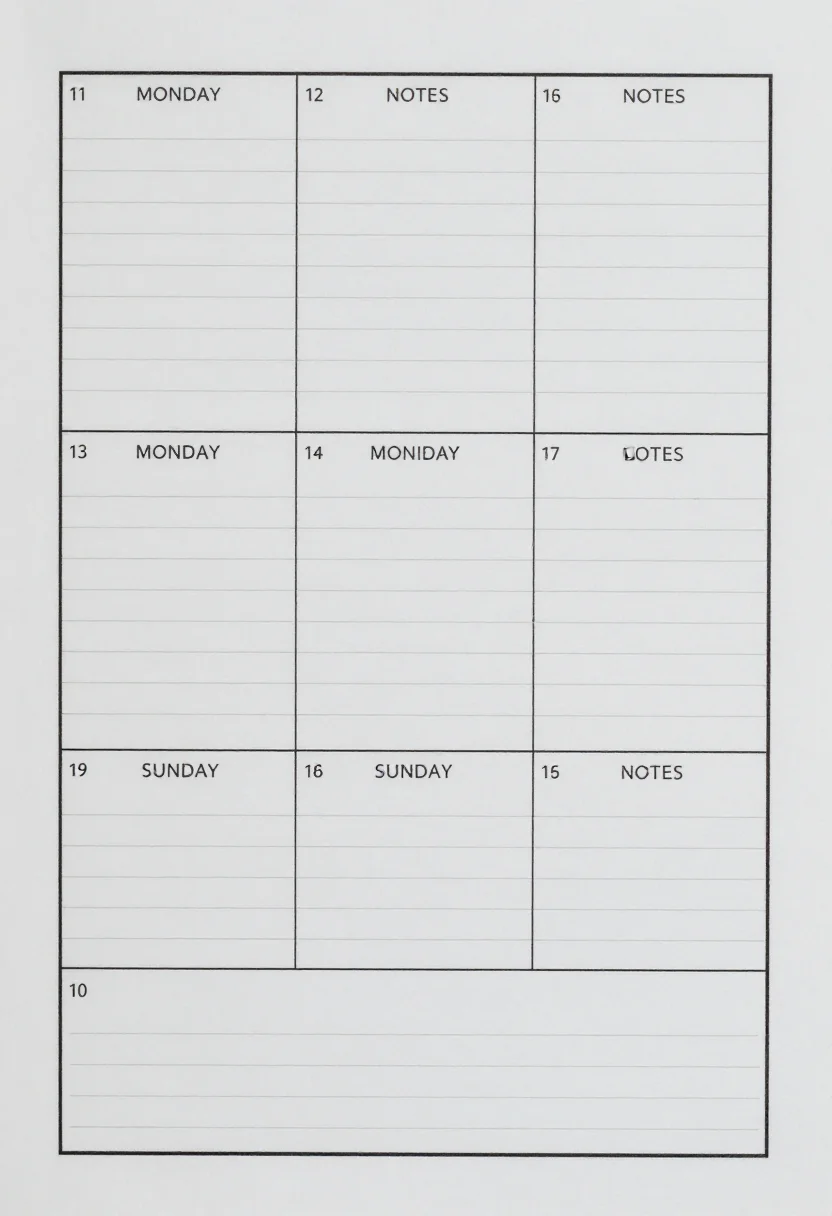
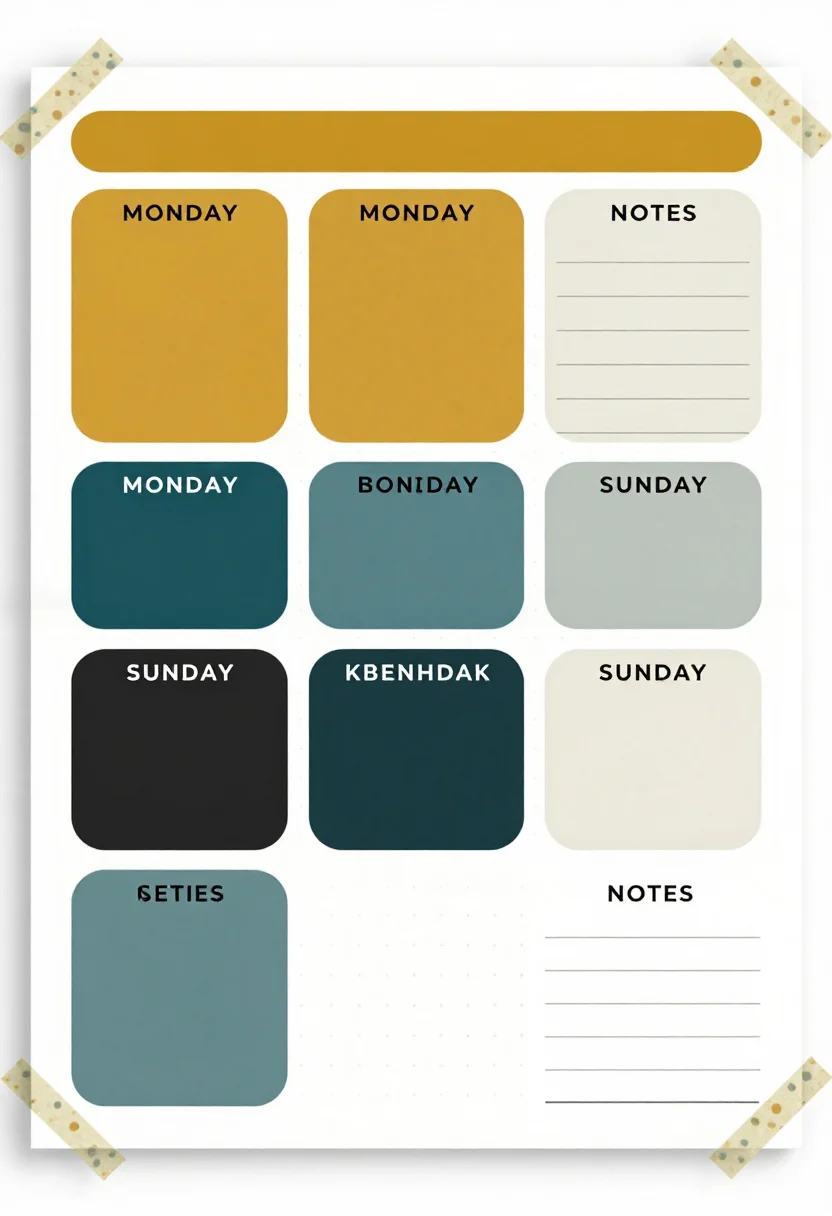
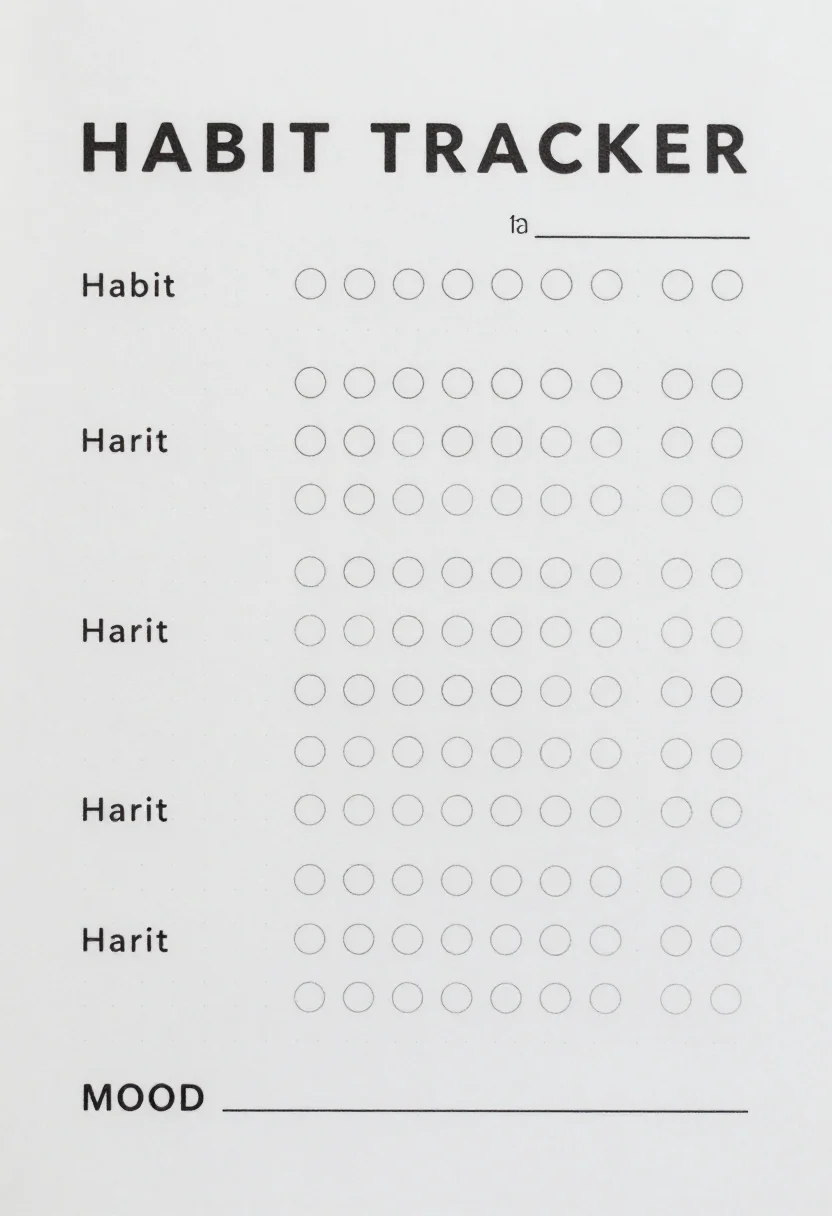
A weekly planner is the page printed every Sunday night: seven days, a notes box, a priorities list. These nine hold that structure across an hourly scheduler's grid, a boxed list-maker's layout, and a dot-grid decorator's spread, drawn clean and spare, softly botanical, or in bold color blocks. Print a stack and start the week fresh.
- a weekly planner insert for a ring binder
- an hourly schedule for a busy week
- a decorated weekly spread for a bullet journal
- a printable pad for the desk
Frequently asked questions
- What size does the page print at?
- Portrait A4 proportions (832 by 1216) with an even margin, ready for a planner or binder.
- Does the week start on Monday?
- Yes, by default — ask through the direction field for a Sunday-start version of the same layout.
- Is there space for notes?
- Yes — every layout carries a notes box headed NOTES, left blank for your own writing.
- Can I add a meal-planning column?
- Yes — that's exactly what the direction field is for; ask and the same weekly grid is redrawn with it.
About toile
This page is a showcase and a starting point: nine samples already rendered, three readings of the pack crossed with three styles, each shown at the size and ratio it was made for. Take any of them further on the wall with a few words, or ask for all nine again under your own direction; a sign-in keeps what you make, and it is free while Toile is new. The recipe behind each sample — the subject, the style, the palette, the framing — travels with the image rather than staying private to the render: it is in the alt text of every sample and in the page's own structured data, so a search engine reads the same handles a person would.