/landscape-cross-stitch-patterns · craft
Landscape cross stitch patterns: a mountain lake, a thatched cottage, a lighthouse
Make your ownLandscape cross stitch patterns
Describe yours. We'll remake the whole pack your way.
More like this
the whole catalog →

every sample — three subjects, three styles ↓
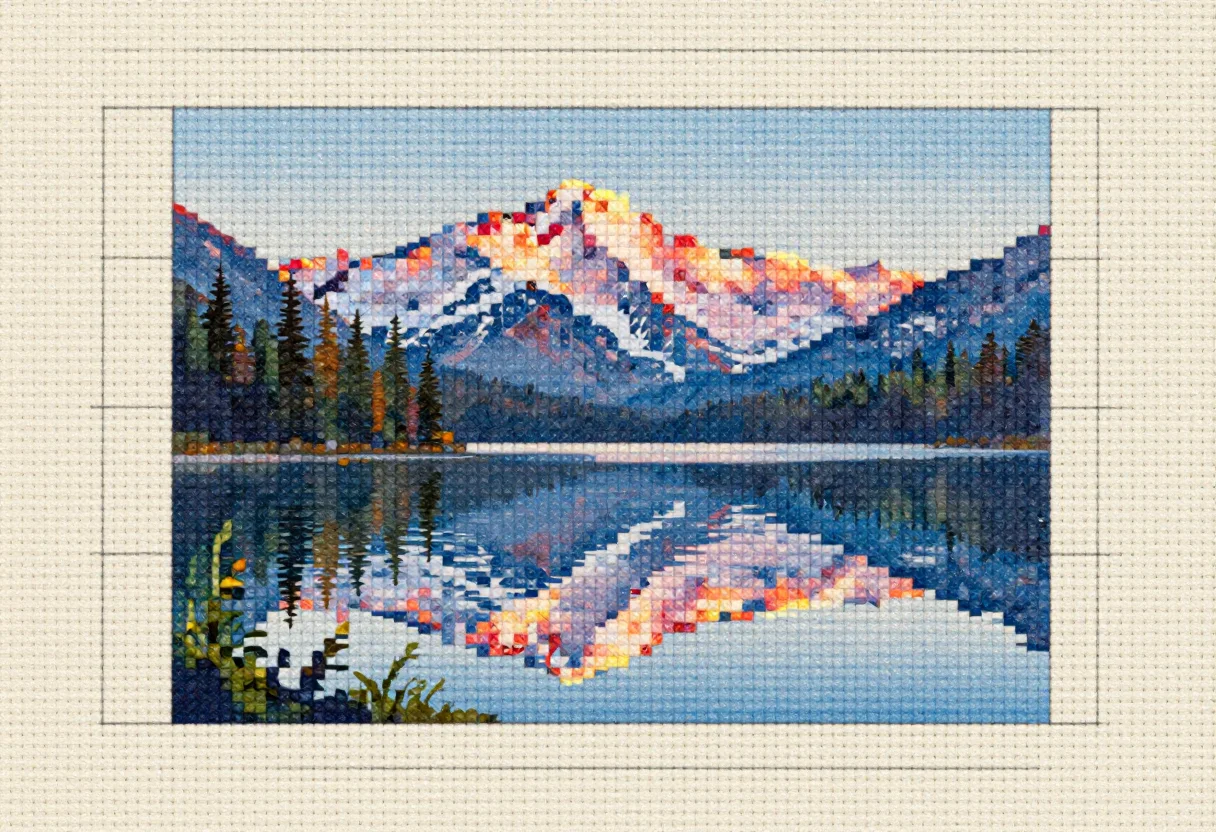
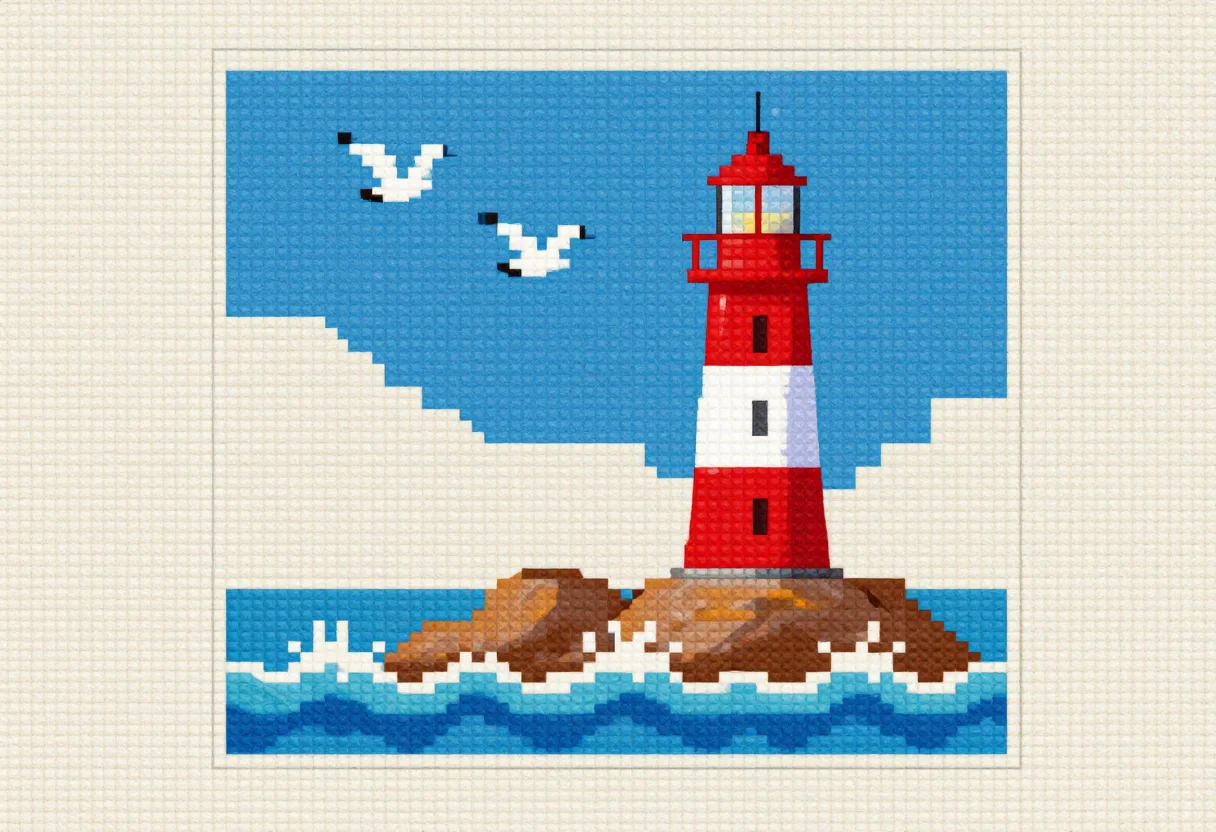
Landscape charts are larger projects, stitched over months for a framed picture of a place loved or imagined. This pack has three scenes: a mountain lake at dawn, a thatched cottage among hills, and a lighthouse on a rocky coast. Each comes as a classic counted chart, an antique sampler inside a stitched border, and a bold modern version. Type another place or season, such as a desert or autumn, and the same styles carry it.
- a framed picture for a hallway
- a gift for someone who loves a place
- a wall piece for a holiday cottage
- a long project for winter evenings
Frequently asked questions
- What are the nine pictures?
- Three landscapes, each in three styles: a mountain lake, a cottage among hills and a lighthouse on a coast, as classic charts, antique samplers and bold modern charts.
- What is the difference between the three styles?
- The classic chart uses small X stitches on a visible grid in eight to twelve thread colours. The antique sampler uses muted thread colours inside a stitched border. The bold modern version uses saturated flat colours and simplified shapes.
- Do these show a real place?
- No. Each scene is a generic drawn chart, not a map or a view of a named place.
About toile
This page is a showcase and a starting point: nine samples already rendered, three readings of the pack crossed with three styles, each shown at the size and ratio it was made for. Take any of them further on the wall with a few words, or ask for all nine again under your own direction; a sign-in keeps what you make, and it is free while Toile is new. The recipe behind each sample — the subject, the style, the palette, the framing — travels with the image rather than staying private to the render: it is in the alt text of every sample and in the page's own structured data, so a search engine reads the same handles a person would.