/chikankari-patterns · craft
Chikankari patterns: a kurta neckline, buti and a dupatta border
Make your ownChikankari patterns
Describe yours. We'll remake the whole pack your way.
More like this
the whole catalog →
every sample — three subjects, three styles ↓
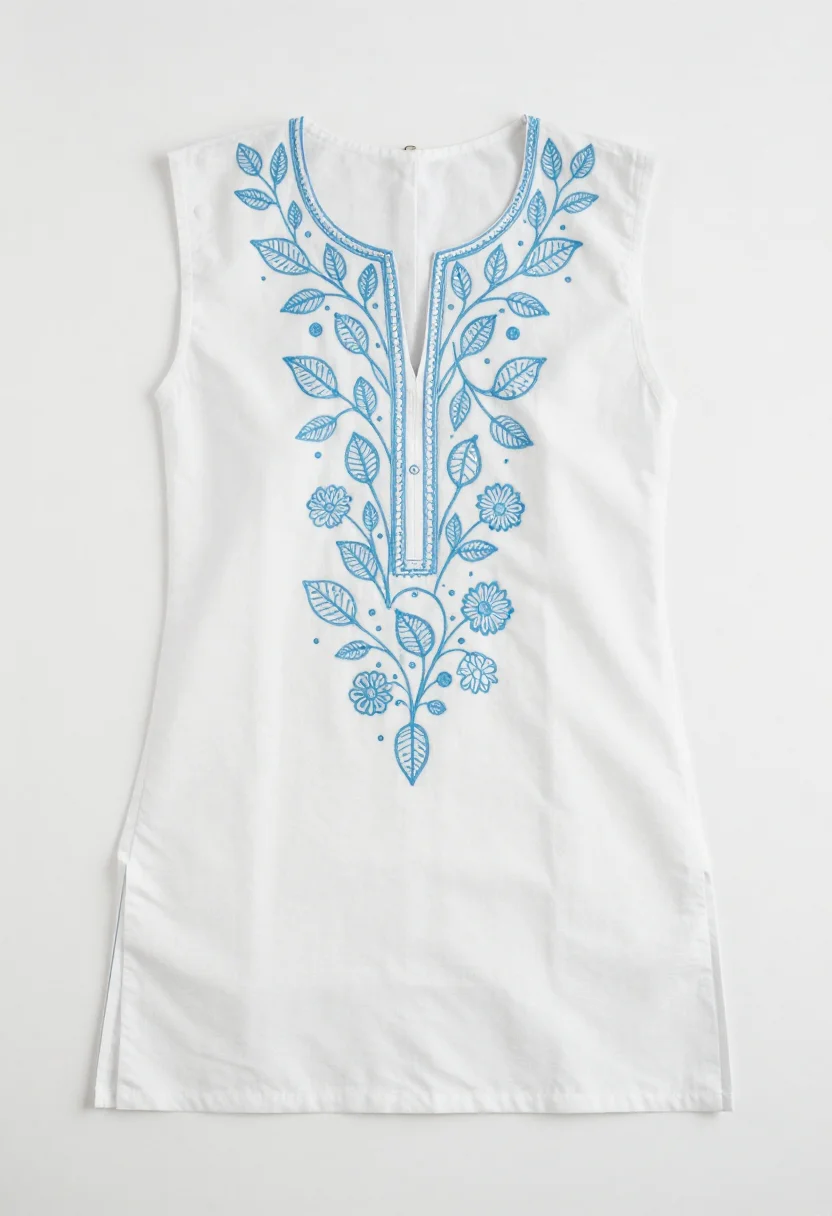
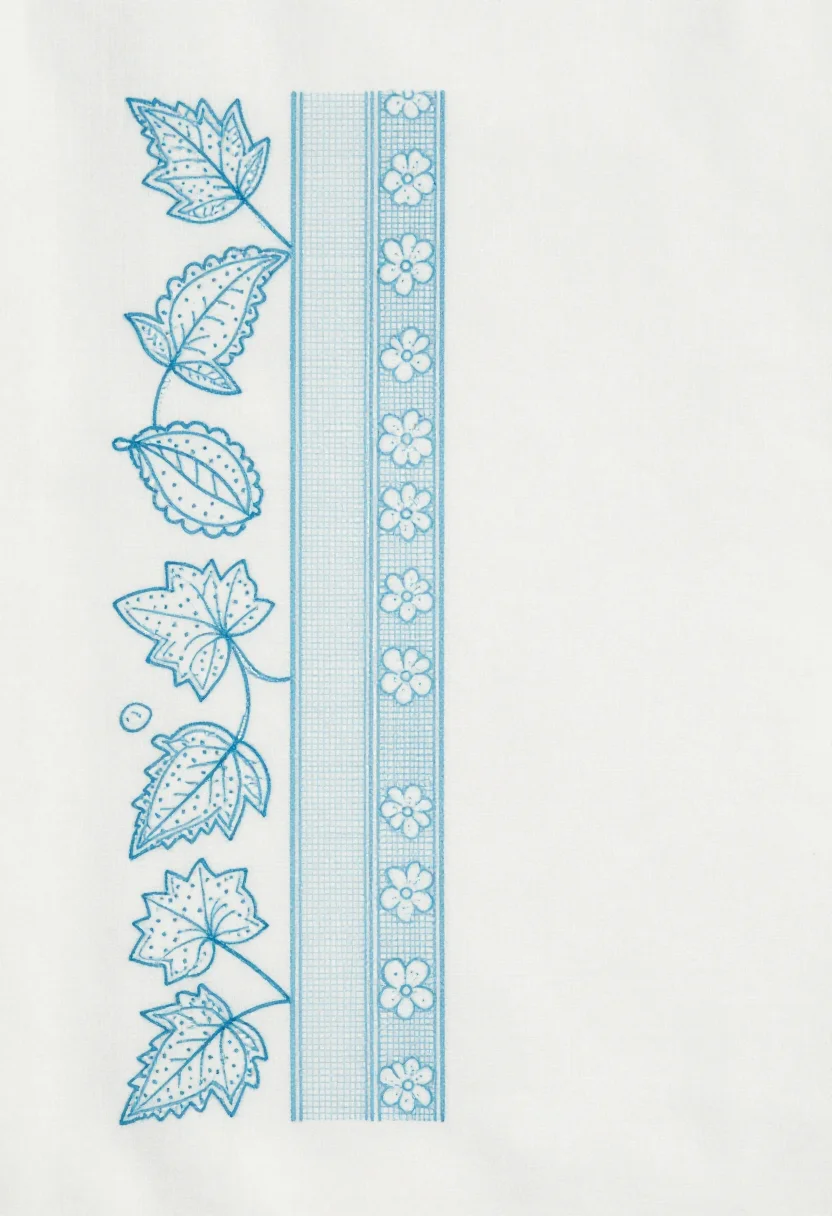
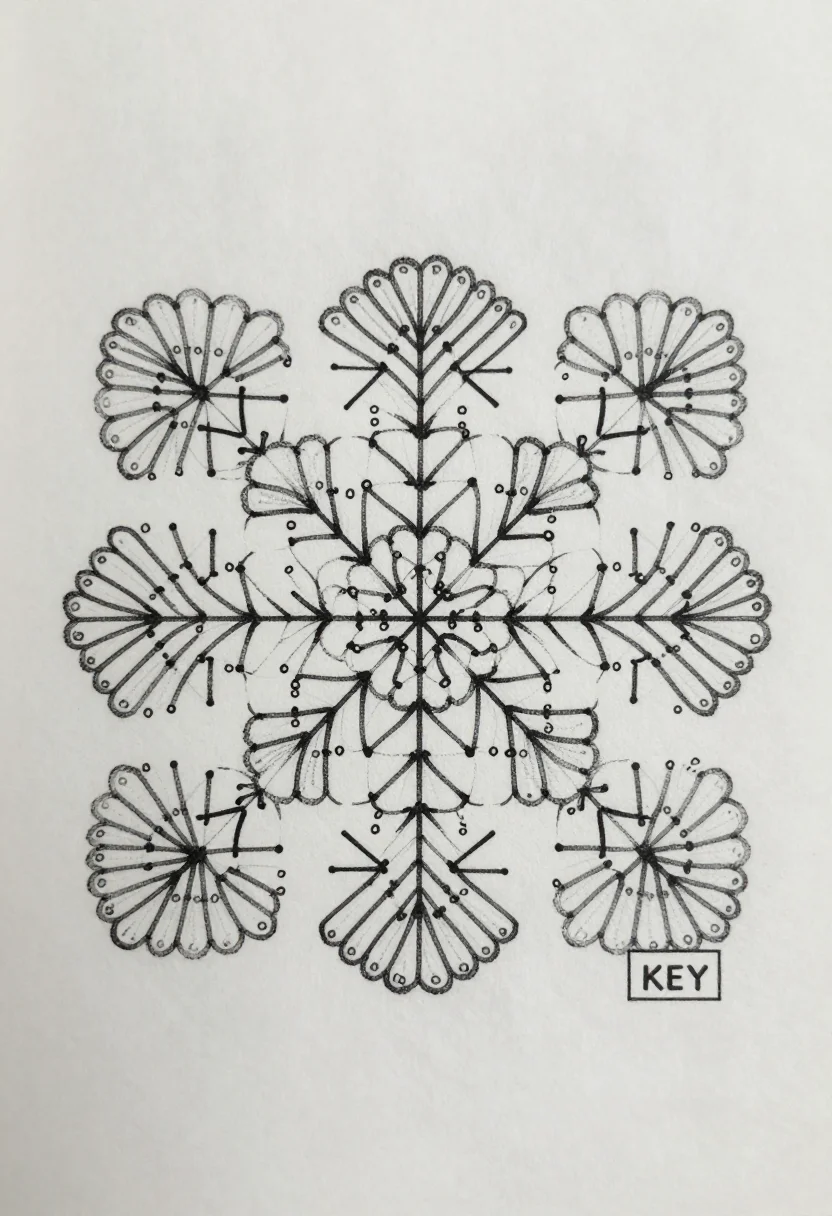
Chikankari is the white-on-white hand embroidery of Lucknow, worked on fine cotton, muslin and georgette. Before stitching, the design is printed on the cloth in washable blue ink from carved blocks. These nine are tracing designs: a kurta neckline, an allover of butis and a dupatta border. Each comes as blue line, block-print line or a line with stitch marks. Type a different garment and the same layout carries it.
- a kurta neckline to trace
- a dupatta border
- a sleeve design
- a practice tracing before stitching
Frequently asked questions
- Why are the lines blue?
- Washable blue ink is how the design is printed onto the cloth before stitching, and the blue style shows that step.
- What do the marks inside the leaves show?
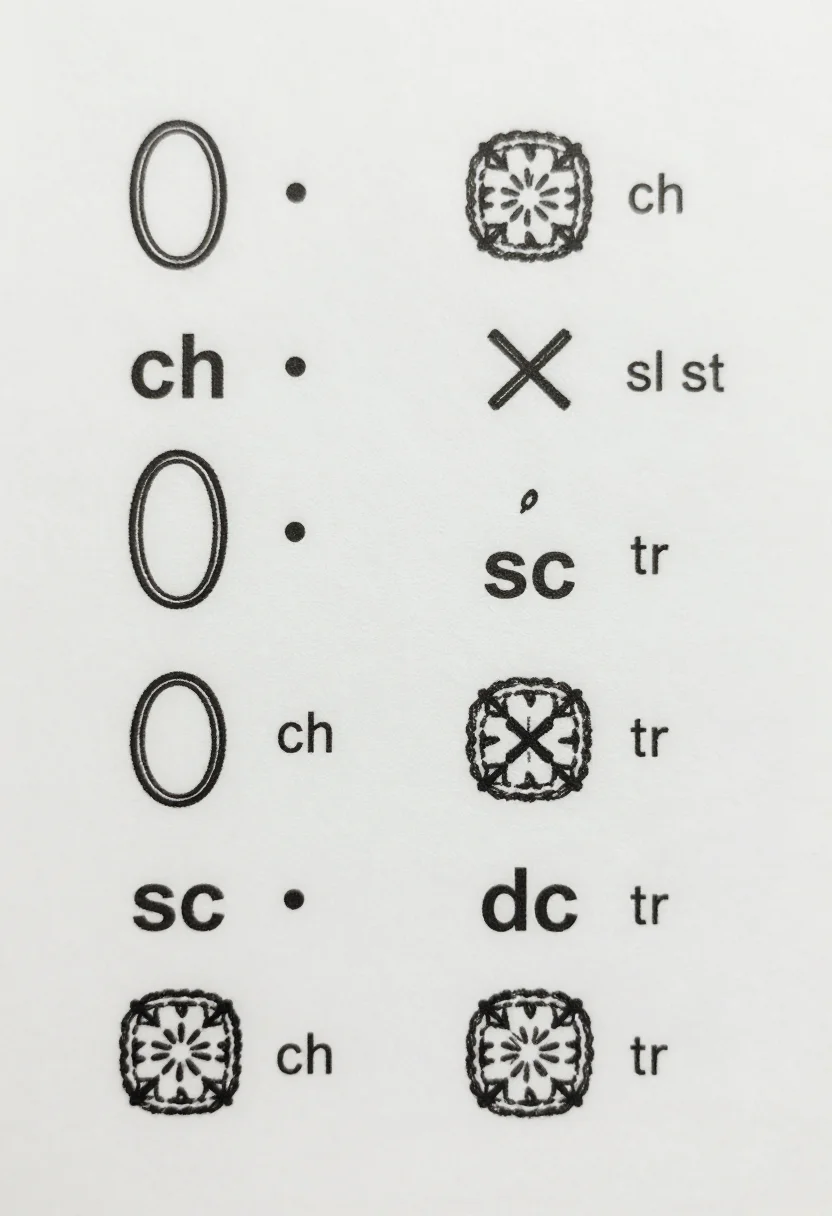
- The stitch-mark style shows where each stitch is worked inside the leaves and flowers.
- Which style gives a bolder trace?
- The block-print style, with outlines of even weight, as a carved block leaves them.
About toile
This page is a showcase and a starting point: nine samples already rendered, three readings of the pack crossed with three styles, each shown at the size and ratio it was made for. Take any of them further on the wall with a few words, or ask for all nine again under your own direction; a sign-in keeps what you make, and it is free while Toile is new. The recipe behind each sample — the subject, the style, the palette, the framing — travels with the image rather than staying private to the render: it is in the alt text of every sample and in the page's own structured data, so a search engine reads the same handles a person would.