/mandala-doodles · coloring
Mandala doodles: small, half and step-by-step mandalas
Make your ownMandala doodles
Describe yours. We'll remake the whole pack your way.
More like this
the whole catalog →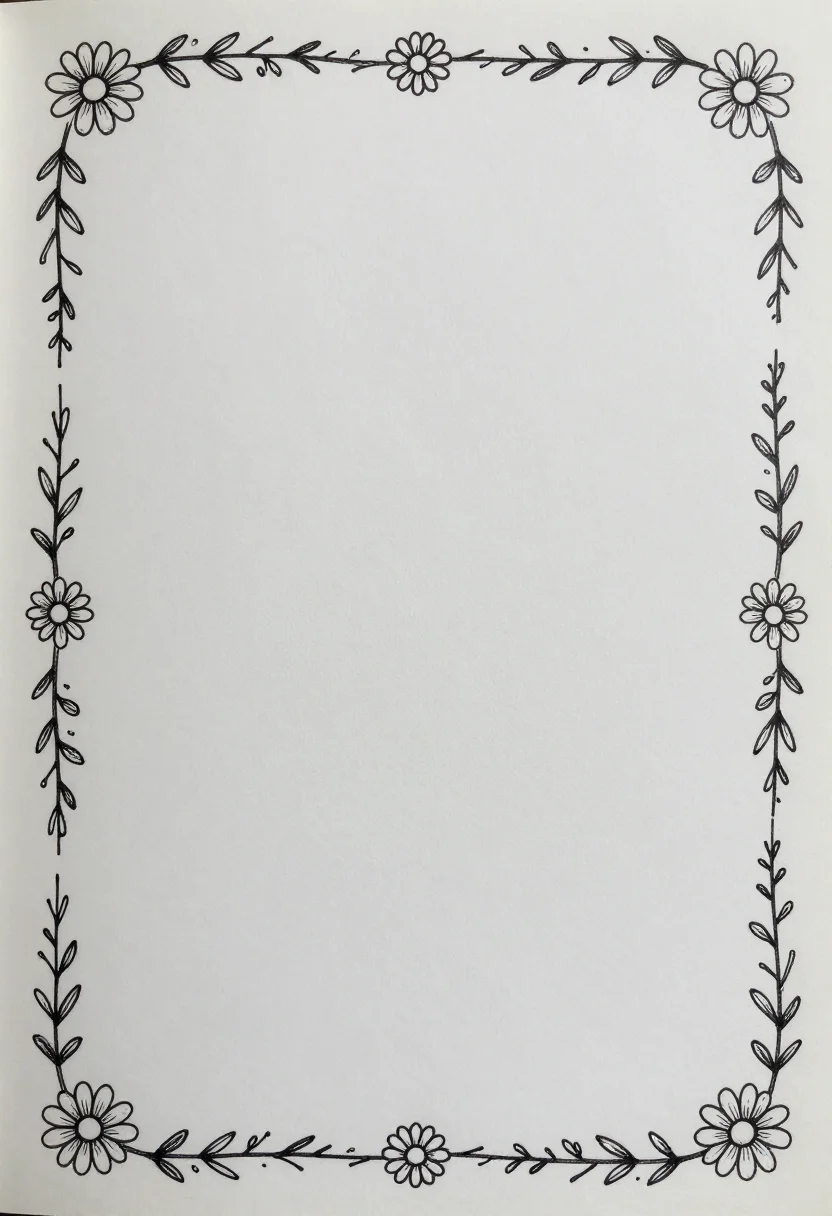
every sample — three subjects, three styles ↓
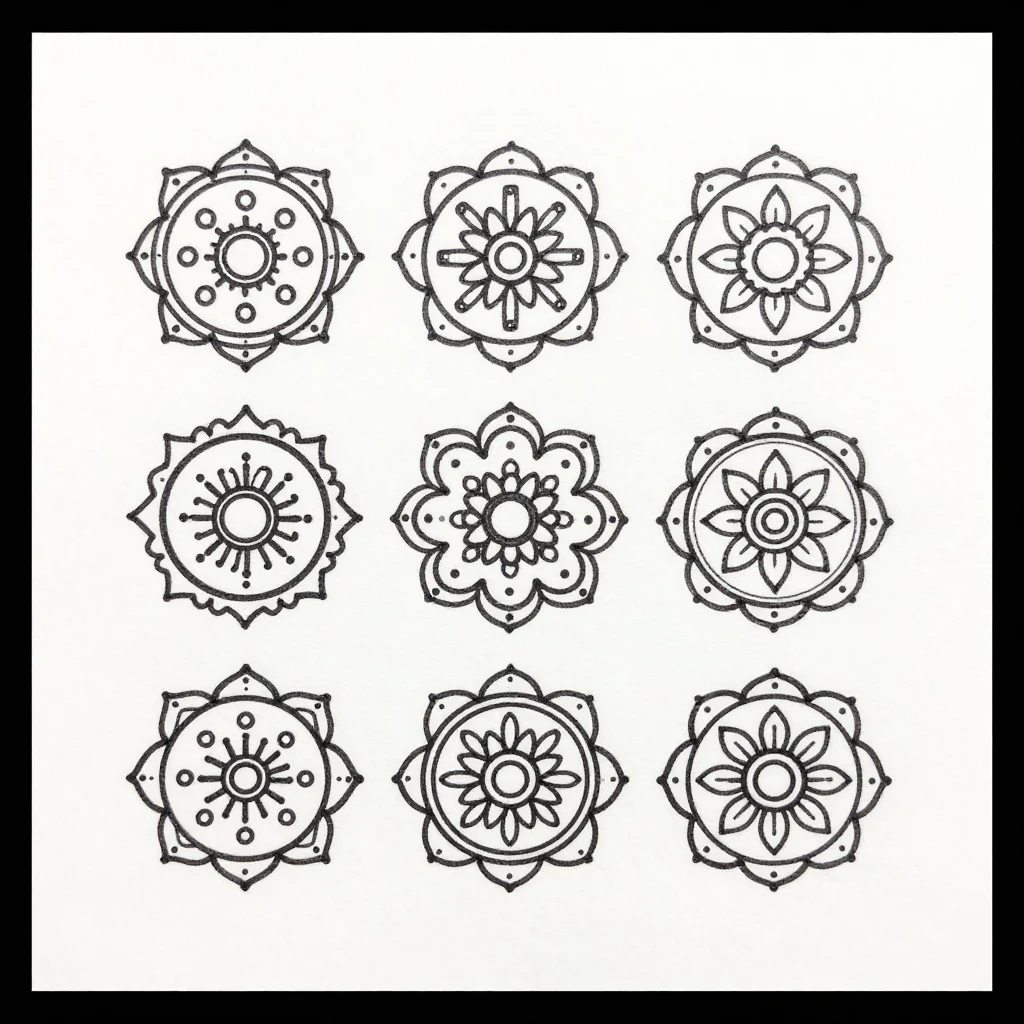
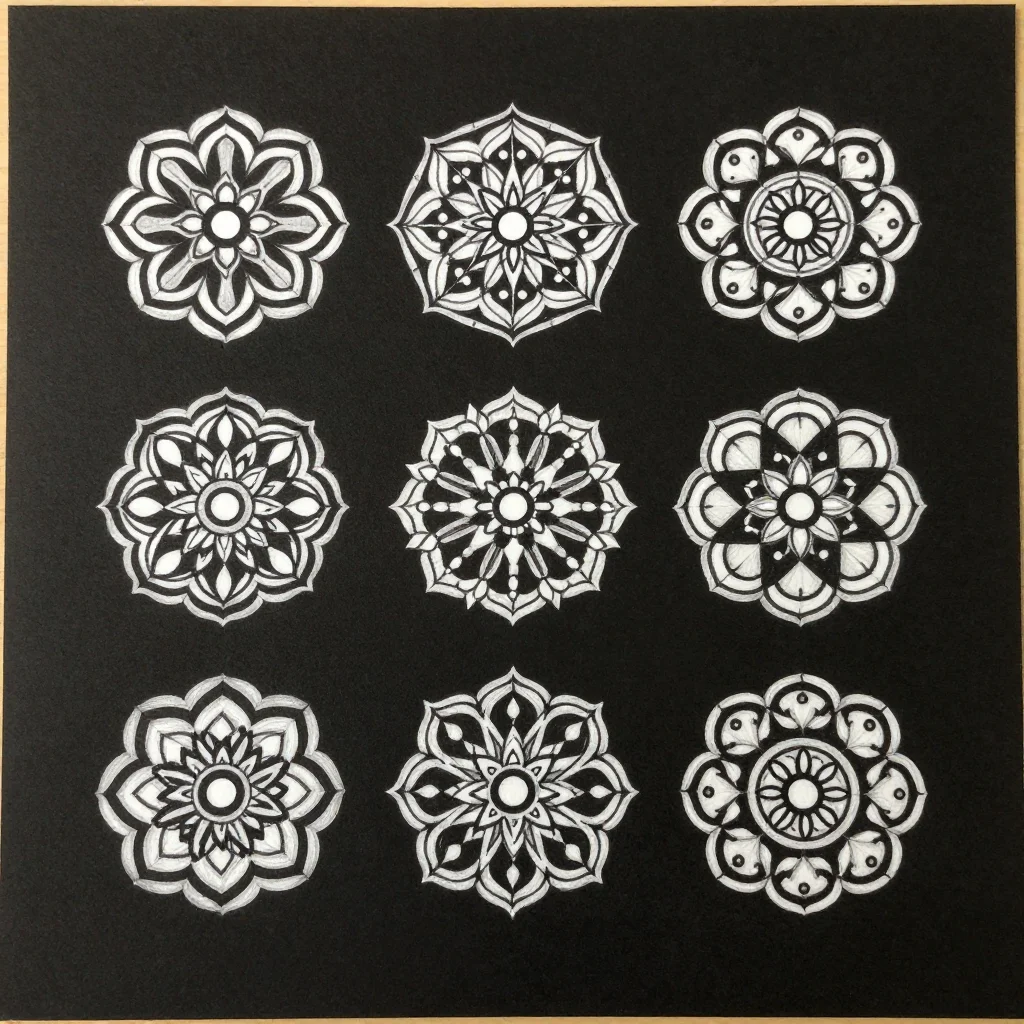
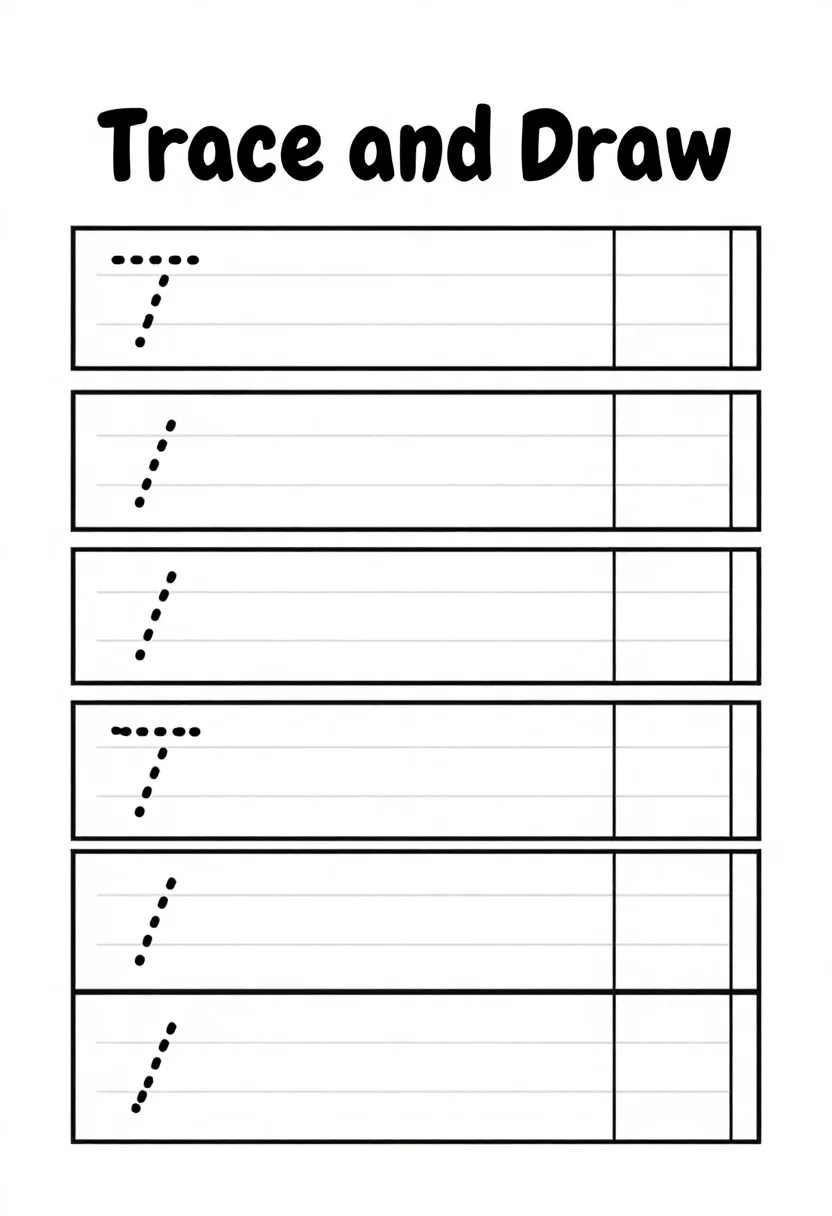
Mandala doodles are small mandalas drawn in a notebook margin, a calm and repetitive exercise. The nine sheets show a set of six small mandalas to copy, four half-mandalas with flat edges for a page corner, and six squares that build one mandala from a center dot to a finished ring of petals. Type a subject such as moon mandala, and it is drawn in the same style. That is a request, not a guaranteed result.
- a notebook margin doodle
- a page-edge border
- a calm drawing exercise for a quiet hour
Frequently asked questions
- What do the three sets show?
- Six small mandalas, four half-mandalas and two quarter-mandalas, and one mandala built in six steps.
- Can the half-mandalas go in a corner?
- Yes. They are drawn with flat edges, so they sit against a page edge or in a corner.
- What is the step-by-step sheet for?
- It shows how one mandala grows, from a center dot to a finished ring of petals, so you can copy the order of the rings.
- Can I ask for a different subject?
- Yes. Type a subject such as flower mandala or moon mandala. The result is a request, not a guaranteed match.
About toile
This page is a showcase and a starting point: nine samples already rendered, three readings of the pack crossed with three styles, each shown at the size and ratio it was made for. Take any of them further on the wall with a few words, or ask for all nine again under your own direction; a sign-in keeps what you make, and it is free while Toile is new. The recipe behind each sample — the subject, the style, the palette, the framing — travels with the image rather than staying private to the render: it is in the alt text of every sample and in the page's own structured data, so a search engine reads the same handles a person would.