/marbling · style
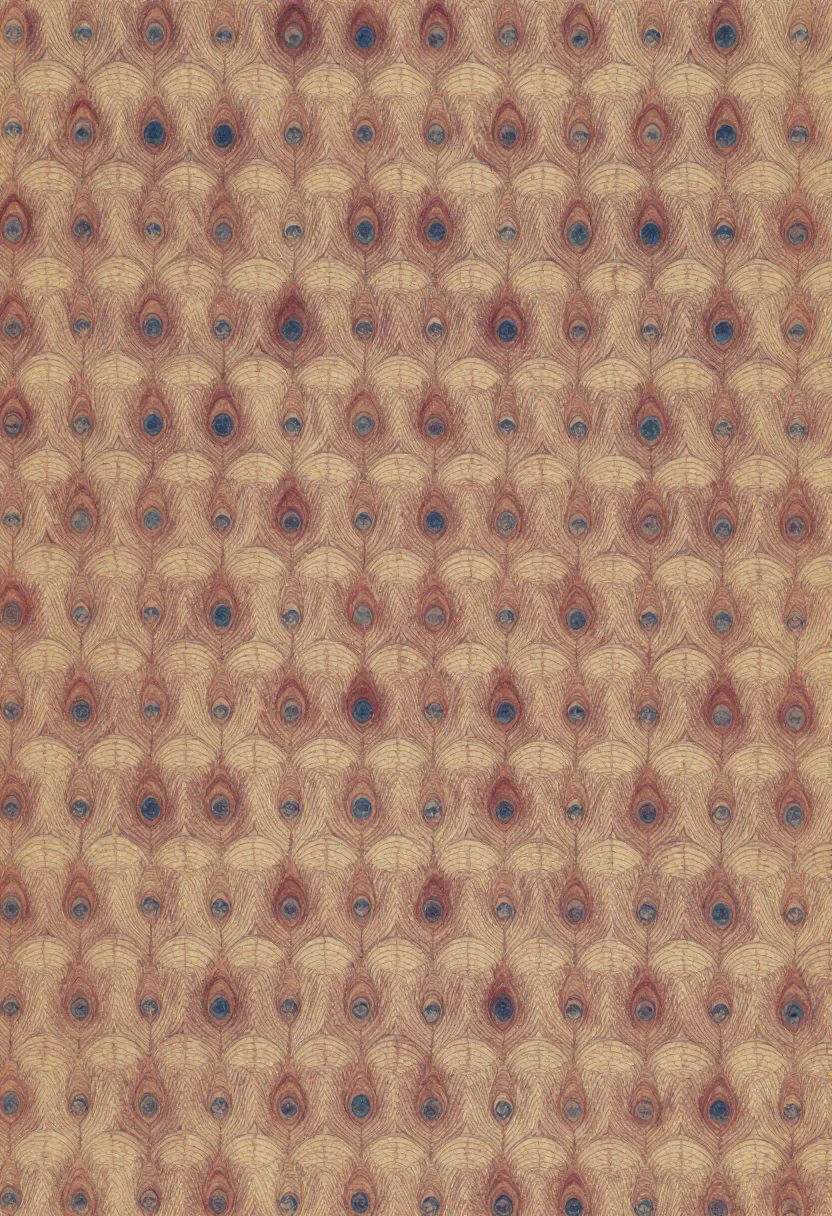
Paper marbling pattern: peacock comb, stone marble, suminagashi

Make your ownMarbled paper
Describe yours. We'll remake the whole pack your way.
More like this
the whole catalog →


every sample — three subjects, three styles ↓
Paper marbling is paint floated on size and combed: a peacock-feather comb pattern, a stone marble of swirling veins, a Japanese suminagashi of concentric ink rings. These nine render each as a classic endpaper, a pastel wash and black ink. Ask for green and gold instead and the same three colourways carry it.
- a phone wallpaper
- a notebook or journal cover
- a bookbinding or stationery project
- a gift-wrap or packaging pattern
- a wall art print
Frequently asked questions
- What size do these print at?
- Each pattern is drawn on a square canvas with an even margin, so it prints clean at A4 or scales to a phone wallpaper.
- Can I get a different colourway, like green and gold?
- Yes — the direction field takes a colour request, such as green and gold, and redraws the same pattern.
- What's the difference between the three colourways?
- Classic endpaper uses the traditional deep jewel-tone marbling palette; pastel is a lighter, softer version of the same combed pattern; black ink is suminagashi, concentric rings in ink on plain paper with no other colour.
- Can I use this as a notebook or book cover?
- Yes — full-bleed marbled pattern is a traditional and common choice for a notebook or bookbinding endpaper.
About toile
This page is a showcase and a starting point: nine samples already rendered, three readings of the pack crossed with three styles, each shown at the size and ratio it was made for. Take any of them further on the wall with a few words, or ask for all nine again under your own direction; a sign-in keeps what you make, and it is free while Toile is new. The recipe behind each sample — the subject, the style, the palette, the framing — travels with the image rather than staying private to the render: it is in the alt text of every sample and in the page's own structured data, so a search engine reads the same handles a person would.